
 Laura Mariano
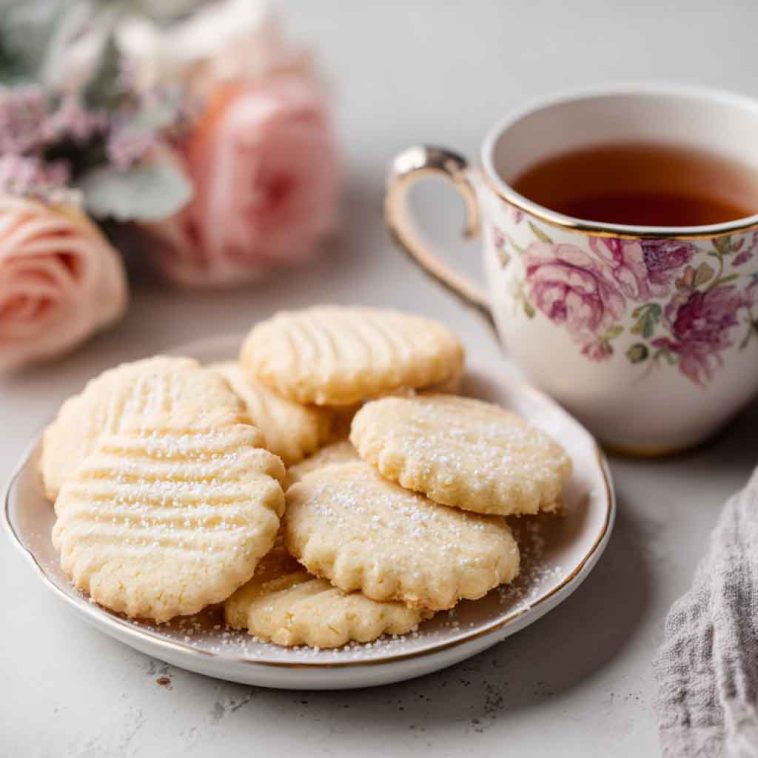
The Timeless Charm of Shortbread
There’s something irresistibly nostalgic about shortbread. With roots in Scotland dating back to the 12th century, it was once considered a luxury, reserved for holidays, weddings, and festive occasions. Traditionally made with just three humble ingredients—butter, sugar, and flour—shortbread is a beautiful lesson in simplicity.
What makes it so special? It’s that melt-in-your-mouth texture, the buttery richness, and the gentle snap that gives way to a crumbly bite. Unlike flashy frosted cookies or chewy chocolate chip classics, shortbread stands on its own, unpretentious and elegant.
In this guide, you’ll learn everything you need to know to make perfect homemade shortbread cookies—from choosing the right ingredients to avoiding common baking mistakes. Whether you’re a seasoned baker or trying these for the first time, you’ll finish with cookies that are crisp on the edges, tender in the center, and bursting with buttery flavor.
What Is Shortbread, Exactly?
Shortbread may look simple, but it’s in a league of its own. Unlike sugar cookies, which often include eggs and baking powder, shortbread is made without any leavening agents. That’s why it doesn’t rise — instead, it stays compact and crumbly.
The classic ratio is known as “1-2-3 shortbread”: one part sugar, two parts butter, three parts flour. This iconic formula is the foundation of shortbread’s unique texture. No eggs. No fuss. Just a delicate balance that creates a soft, sandy crumb and that unmistakable buttery snap.
Shortbread is proof that sometimes, less really is more.
Choosing the Right Ingredients
Butter: The Star of the Show
Butter makes up the majority of your shortbread dough, so quality matters. Always go for unsalted butter, so you can control the salt content precisely. If you can find European-style butter (like Kerrygold or Président), even better — it has a higher fat content and gives your cookies an even richer flavor.
Pro Tip: Use butter that’s room temperature but not too soft. This gives you that perfect creamed texture.
Sugar: Granulated vs. Powdered
Granulated sugar is the traditional choice and gives you a crisp, slightly grainy texture. If you prefer a more tender, melt-in-the-mouth result, try powdered sugar (also called icing sugar) instead. It dissolves quickly and makes the dough silkier.
Flour: Stick to All-Purpose
All-purpose flour is your go-to here. It provides just enough structure without making the cookie too firm. Want an even more delicate bite? Try substituting a few tablespoons with cake flour for a slightly lighter texture.
Optional Add-ins
While traditionalists may stick to the basic trio, you can customize your shortbread with:
Vanilla extract or almond extract
Lemon or orange zest
Chopped dark chocolate or mini chips
Chopped nuts like pecans, pistachios, or almonds
Tools & Equipment You’ll Need
Good news: you don’t need fancy gadgets to make great shortbread. Here’s all you’ll need:
Mixing bowl and spatula, or a hand or stand mixer for creaming the butter
Measuring cups and spoons
Cookie cutters (for shaped cookies) or a knife (for classic bars or wedges)
Parchment paper or a silicone baking mat
Baking sheet
Fork for docking the dough (more on that in a sec!)
Wire cooling rack
Optional: A kitchen scale for perfect accuracy, and a rolling pin if you’re cutting shapes.
Step-by-Step Instructions for Perfect Homemade Shortbread Cookies
Ready to bake? Follow these clear, simple steps and you’ll have perfect cookies every time.
Step 1: Cream the Butter and Sugar
In a mixing bowl, beat your room temperature butter and sugar until the mixture is smooth, light, and fluffy. This can take 2–3 minutes with a hand mixer or a little longer if done by hand. You’re not whipping it, just creating a smooth base.
Step 2: Add the Flour
Gradually add the flour in batches, mixing just until incorporated. Don’t overdo it — you want the dough to come together but not become overworked.
Tip: The dough might look a little crumbly at first — that’s okay! Press it together gently with your hands.
Step 3: Chill the Dough
This step is not optional. Wrap your dough in plastic wrap and chill for at least 30–60 minutes. This prevents spreading and helps firm up the butter for a flakier cookie.
Step 4: Shape the Cookies
Roll the dough to about ¼ inch thick and use cookie cutters for festive shapes. For a traditional touch, press it into a round tart pan or square dish and cut into wedges or bars before baking.
Step 5: Dock the Dough
Use a fork to gently prick holes into each cookie. This prevents bubbling and ensures even baking.
Step 6: Bake
Bake at 300–325°F (150–160°C) for 18–25 minutes, depending on the size and thickness. The cookies should be pale with just a hint of golden brown at the edges.
Step 7: Cool
Let cookies cool on the baking sheet for 5 minutes, then transfer to a wire rack to cool completely. They’ll continue to firm up as they cool.
Important: Don’t overmix or overbake — both will make your shortbread tough instead of tender!
Texture Troubleshooting & Common Mistakes
Even experienced bakers can struggle with shortbread now and then. Here’s how to fix common problems:
Too dry or crumbly? You may have added too much flour. Make sure to spoon and level, not scoop from the bag. If needed, add 1–2 teaspoons of softened butter to bring it together — not water.
Cookies spread too much? The dough wasn’t chilled enough, or your butter was too soft. Try chilling longer next time.
Tough or dense cookies? You may have overmixed the dough. Stir just until combined and avoid pressing too hard when shaping.
Fun and Delicious Shortbread Variations
Once you’ve mastered the classic version, shortbread becomes a blank canvas for creativity. Here are some irresistible twists to try:
Chocolate-Dipped Shortbread
After baking and cooling, dip one end of each cookie into melted dark, milk, or white chocolate. Let set on parchment paper. You can even sprinkle crushed nuts or dried fruit on top while the chocolate is still wet.Lemon Zest + Glaze
Add 1–2 teaspoons of lemon zest to the dough for a bright, citrusy pop. After baking, drizzle with a simple glaze made from powdered sugar and lemon juice.Earl Grey or Lavender Shortbread
Infuse the butter with crushed Earl Grey tea leaves or culinary dried lavender buds before creaming. The flavor is subtle and elegant — perfect with afternoon tea.Pecan or Almond Shortbread
Stir finely chopped toasted nuts into the dough before baking. It adds texture and a warm, nutty richness.Brown Sugar Shortbread
Swap white sugar for light brown sugar for a deeper, caramel-like flavor and a slightly softer crumb.
Try This: Press the dough into a tart pan, score it into wedges, and bake — it’s a rustic, beautiful way to serve shortbread.
Shaping and Presentation Ideas
Shortbread can be as simple or fancy as you like, depending on how you shape it.
Traditional fingers or bars – Press into a square pan, score before baking, and slice after cooling.
Cut-out shapes – Roll out and use seasonal cookie cutters for holidays or parties.
Pressed into molds – Use decorative molds for intricate patterns.
Stamped designs – Try a cookie stamp or the bottom of a patterned glass for texture.
Finishing touches – Sprinkle with flaked sea salt, turbinado sugar, or colored sanding sugar before baking for a lovely sparkle and subtle crunch.
Make-Ahead, Storage & Freezing Tips
Shortbread is wonderfully low-maintenance when it comes to storage and make-ahead prep.
Storage: Once cooled, store cookies in an airtight container at room temperature for up to 7–10 days. Keep them in a cool, dry spot — no fridge needed.
Freezing Dough: Wrap the dough tightly in plastic wrap, then place in a freezer-safe bag. It will keep well for up to 2 months. Thaw in the fridge before rolling or shaping.
Freezing Baked Cookies: Place in a single layer on a tray to freeze, then transfer to a bag or container with parchment between layers. Thaw at room temp.
Recrisping: If cookies lose their crunch, warm in a 275°F (135°C) oven for 5–6 minutes to refresh them.
Serving Suggestions and Pairings
Shortbread pairs beautifully with just about anything — sweet or savory.
Enjoy with a hot cup of tea, coffee, or even hot chocolate. The simplicity of the cookie lets the drink shine.
For gifts, stack cookies and tie with ribbon or pack in a vintage-style tin. They hold up well in transit and make thoughtful homemade presents.
Shortbread also works as a base for layered dessert bars — like lemon bars or millionaire’s shortbread.
Serve with fruit compote, jam, or whipped cream for a simple plated dessert.
However you serve it, shortbread always adds a touch of charm.
Nutrition Breakdown (Approximate)
Shortbread cookies are rich and indulgent — that’s their charm!
Calories per cookie: ~100–150, depending on size and additions
Macros: Mostly carbs and fat; minimal protein
Gluten-Free Option: Substitute with a 1:1 gluten-free flour blend or experiment with almond flour (yields a slightly softer texture)
Frequently Asked Questions (FAQs)
Why are my shortbread cookies too soft or too hard?
Too soft? You may have underbaked them — they should firm up as they cool.
Too hard? You might have added too much flour or overbaked. Use the spoon and level method when measuring flour to avoid packing it in.
Can I make shortbread without a mixer?
Absolutely. Shortbread can be made entirely by hand with a wooden spoon or spatula. Just make sure the butter is soft enough to cream easily.
Can I use brown sugar instead of white?
Yes! Using light brown sugar will give you a deeper flavor and a slightly softer texture. It’s a great variation, especially in the fall and winter.
Do I have to chill the dough?
Yes — chilling is crucial. It prevents the cookies from spreading too much and helps the flavors meld. Chilling also makes the dough easier to handle.
Why does my shortbread taste floury?
This usually happens if the flour isn’t fully mixed in or is added too quickly. Mix just until it’s combined and press the dough together gently before chilling.
Can I double or halve the recipe?
Definitely. Shortbread is very forgiving. If halving, measure carefully. If doubling, use a large bowl and divide the dough into smaller portions for easier handling.
How do I keep shortbread from spreading in the oven?
Chill the dough thoroughly before baking
Don’t over-cream the butter (this adds air that can cause spreading)
If using cookie cutters, refrigerate the cut shapes for 10 minutes before baking

Homemade Shortbread Cookies Recipe
Equipment
- Mixing bowl
- Hand or stand mixer (or wooden spoon)
- Measuring Cups and Spoons
- Parchment paper or silicone baking mat
- Baking sheet
- Fork (for docking)
- Knife or cookie cutters
- Cooling rack
Ingredients
- 1 cup (2 sticks / 226g) unsalted butter, softened
- ½ cup (100g) granulated sugar (or powdered sugar for a softer crumb)
- 2 cups (240g) all-purpose flour
- (Optional) 1 tsp vanilla extract, citrus zest, or chopped nuts/chocolate
Instructions
- Cream Butter & SugarIn a large bowl, cream softened butter and sugar together until light and fluffy.
- Add FlourGradually add flour, mixing just until the dough comes together. If using flavorings or mix-ins, add now.
- Chill DoughWrap the dough in plastic wrap and chill for 30–60 minutes to firm it up.
- Shape CookiesRoll out dough to ¼" thickness and cut into shapes, or press into a pan and score into bars or wedges.
- Dock & BakePrick cookies gently with a fork to prevent puffing. Bake at 325°F (160°C) for 18–22 minutes, or until edges are just barely golden.
- Cool & ServeLet cool on the baking sheet for 5 minutes, then transfer to a wire rack. Cool completely before storing or serving.
Notes
- For crispier cookies, use granulated sugar; for a tender texture, use powdered sugar.
- Dough can be made ahead and frozen for up to 2 months.
- Try variations like dipping in chocolate, adding lemon zest, or mixing in finely chopped nuts.
- If the dough is crumbly, add 1 tsp softened butter and knead gently to bring it together.
- For clean-cut edges, chill shaped cookies again before baking.