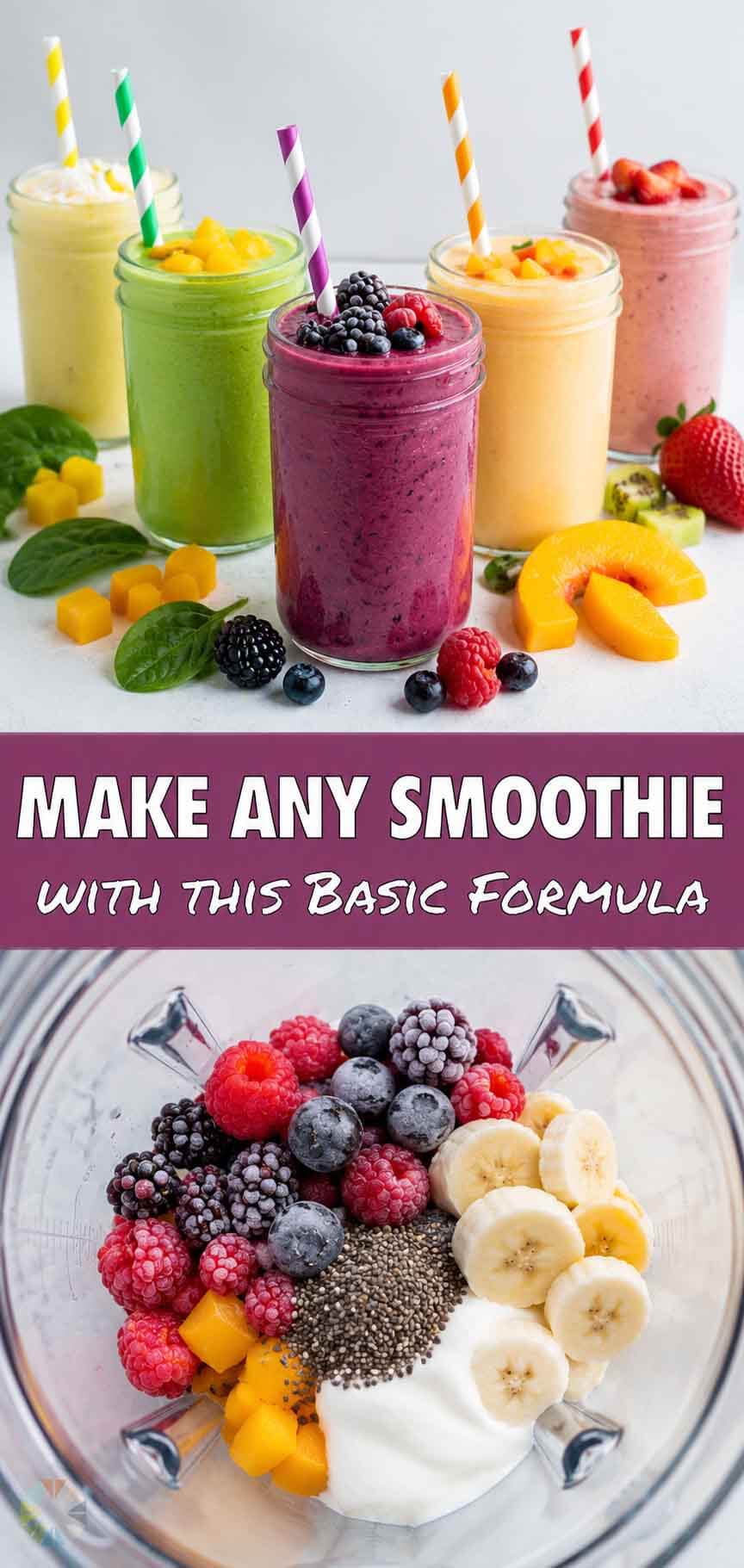
The Best Frozen Fruit Smoothie Recipe Guide: Your Ultimate Path to a Healthy Fruit Smoothie
There’s something almost magical about a perfectly blended smoothie—that first sip of cold, creamy, fruit-packed goodness on a warm morning or after a tough workout. But let’s be honest: not all smoothies are created equal. Some turn out watery and bland. Others are clumpy and frustrating. And too many are sugar bombs in disguise.
The secret to a truly healthy fruit smoothie isn’t complicated. It starts with one simple ingredient swap: frozen fruit.
In this comprehensive guide, I’ll walk you through everything you need to know to make the best frozen fruit smoothie of your life. We’ll cover the science behind why frozen fruit outperforms fresh, the best fruits to keep in your freezer, foolproof ratios, step-by-step techniques, and five delicious recipes you’ll want to make on repeat. Whether you’re blending for weight loss, post-workout recovery, or simply a nutrient-packed breakfast, this guide has you covered.
Why Frozen Fruit Is the Secret to a Better Healthy Fruit Smoothie
If you’ve been using fresh fruit and ice to make your smoothies, it’s time to make a change. Frozen fruit is the single best upgrade you can make to any smoothie: it thickens and chills without diluting the flavor the way ice does.
Here’s what the data shows:
Thicker, creamier texture. When fruit freezes, the water inside its cells forms tiny ice crystals that puncture and weaken the cell walls. In a smoothie, that structural breakdown works in your favor, creating a semi-slushy, milkshake-like consistency that fresh fruit simply can’t match. Industry testing consistently shows frozen fruit outperforms fresh in smoothie applications, delivering thicker results with no dilution.
Nutritional superiority. A study published in Food & Function found that berry-based smoothies may help increase flavan-3-ol levels—antioxidant compounds linked to cardiovascular and cognitive health. Meanwhile, research from the University of California, Davis found that frozen fruit can retain more vitamins and antioxidants than “fresh” produce that sat for days in transit. Frozen fruit offers the same fiber, prebiotics, vitamins, and antioxidants as fresh fruit does.
Year-round availability. Frozen fruit is picked at peak ripeness and frozen immediately, locking in maximum sweetness and nutrient density. This means you get consistent quality regardless of season—no more bland, out-of-season strawberries or rock-hard peaches.
Zero waste and convenience. No peeling, pitting, or trimming. No worrying about fruit spoiling before you use it. Frozen fruit has a shelf life of 18–24 months at -18°C.
The Best Frozen Fruits for Your Healthy Fruit Smoothie
Not all frozen fruits are created equal. According to four registered dietitians who weighed in on the topic, frozen berries are the unanimous top choice for smoothies, thanks to their high fiber, vitamin C, and antioxidant content with relatively low sugar.
Here’s a quick guide to the best options:
| Fruit | Best For | Nutritional Highlight |
|---|---|---|
| Berries (blueberries, strawberries, raspberries, blackberries) | Antioxidant boost, low sugar | High in fiber and vitamin C |
| Bananas | Creaminess, natural sweetness | 3g fiber + potassium per small banana |
| Mango | Tropical flavor, smooth texture | Rich in beta-carotene and vitamin C |
| Pineapple | Bright, tangy flavor | Excellent source of vitamin C and manganese |
| Peaches | Mellow, soft smoothie | Good source of vitamins A and C |
| Cherries | Deep color, strong fruit flavor | Rich in antioxidants and melatonin |
Pro tip: When shopping for frozen fruit, look for options with no added sugars or preservatives. Aim for at least 2 grams of fiber per serving—over 3 is even better. And give the bag a feel: if the pieces aren’t clumped together, that signals better quality.
The Science of the Perfect Healthy Fruit Smoothie Ratio
The ratio of fruit to liquid is the make-or-break factor in any smoothie recipe. A practical starting point is about 2 cups of frozen fruit to 3/4 cup of liquid.
Here’s how to adjust based on your preference:
Thick smoothie (spoonable bowl): 2 cups fruit + ½ cup liquid
Standard smoothie (drinkable): 2 cups fruit + ¾ cup liquid
Thinner smoothie (straw-friendly): 2 cups fruit + 1 to 1¼ cups liquid
For a more precise approach, use 200–300g of frozen fruit per 400–500ml of finished smoothie.
Choosing Your Liquid
The liquid you choose changes both flavor and nutrition. Here are your best options:
Unsweetened almond milk – Low calorie, creamy, nutty flavor
Coconut water – Hydrating, naturally sweet, rich in electrolytes
Oat milk – Creamy, fiber-rich, neutral flavor
Greek yogurt + milk – High protein, creamy, probiotic-rich
Orange juice – Bright, citrusy, high in vitamin C
Step-by-Step: How to Make the Best Healthy Fruit Smoothie
The method matters as much as the ingredients. Follow these steps for smoothie perfection every time:
Step 1: Add Liquid First
Start with about ½ to 1 cup of liquid in the blender. This creates a whirlpool that pulls ingredients into the blades, preventing them from getting stuck.
Step 2: Add Soft Ingredients
Add yogurt, nut butter, chia seeds, oats, or sweeteners on top of the liquid.
Step 3: Add Frozen Fruit Last
The fruit should sit above the liquid so it can gradually pull down into the blades.
Step 4: Blend in Stages
Start on low speed to incorporate all ingredients, then increase to high until smooth. Blend for 45–90 seconds total.
Step 5: Stop and Scrape if Needed
If the mixture stalls, pause, stir, and add a small splash of liquid.
Healthy Fruit Smoothie Recipes to Try Today
1. Berry Antioxidant Blast
The ultimate healthy fruit smoothie for brain and heart health
2 cups frozen mixed berries (blueberries, raspberries, strawberries)
1 cup unsweetened almond milk
½ cup plain Greek yogurt
1 tablespoon chia seeds
1 teaspoon honey (optional)
Nutrition: ~320 calories, 18g protein, 8g fiber
2. Tropical Green Machine
Pack in the greens without sacrificing flavor
1 cup frozen mango chunks
½ cup frozen pineapple
1 handful fresh spinach
1 cup coconut water
½ frozen banana
Nutrition: ~280 calories, 4g protein, 7g fiber
3. High-Protein Mango-Strawberry-Banana
Perfect for post-workout recovery
This creamy, naturally sweet smoothie packs more than 20 grams of protein and over 6 grams of fiber per serving, with no added sugar.
1 cup frozen mango
1 cup frozen strawberries
1 frozen banana
½ cup plain Greek yogurt
1 cup unsweetened almond milk
1 tablespoon almond butter
Nutrition: ~375 calories, 22g protein, 6g fiber
4. Peach & Blueberry Cream
The dynamic duo that makes a perfect base for any smoothie
Frozen peaches and blueberries create a rich, sorbet-like consistency that’s hard to beat.
1½ cups frozen peaches
1 cup frozen blueberries
¾ cup milk of choice
½ cup Greek yogurt
1 teaspoon vanilla extract
Nutrition: ~290 calories, 14g protein, 5g fiber
5. Cherry Lime Refresher
Tart, sweet, and incredibly refreshing
1 cup frozen cherries
1 teaspoon lime zest
2 tablespoons fresh lime juice
2 large Medjool dates, pitted
½ cup plain Greek yogurt
Nutrition: ~260 calories, 12g protein, 6g fiber
Common Mistakes That Ruin a Healthy Fruit Smoothie
Even with the best intentions, it’s easy to make mistakes. Here’s what to avoid:
❌ Using too much fruit. Would you really eat two apples and a box of berries in one sitting? Portion control matters.
❌ Adding ice instead of frozen fruit. Ice dilutes flavor and creates a watery texture. Frozen fruit achieves the same thickness without the dilution.
❌ Overloading the blender. A stubborn frozen lump under the blades is a sign you’ve added too much at once. Blend in stages and scrape down the sides.
❌ Adding too many sweeteners. Sugar is sugar, no matter what form it’s in. Let ripe fruit provide the sweetness naturally.
❌ Using the wrong blending order. Always add liquid first, then soft ingredients, then frozen fruit last.
❌ Under-blending. A chunky smoothie is a sad smoothie. Blend until fully combined and creamy.
Can a Healthy Fruit Smoothie Help with Weight Loss?
Yes—but only if it’s balanced correctly. A fruit-only smoothie will leave you hungry within an hour. But a smoothie with protein, healthy fat, and fiber slows digestion and keeps you full for hours.
The Mayo Clinic confirms that a smoothie can be a convenient meal replacement “as long as you’re making sure that it really is replacing the meal. Not too few calories, but not too many calories”.
For weight loss, aim for:
2 parts vegetables to 1 part fruit (the 2:1 ratio)
Healthy fats like almond butter, avocado, or chia seeds to slow sugar absorption
At least 15g of protein from Greek yogurt, protein powder, or silken tofu
Fresh vs. Frozen: The Final Verdict
Side-by-side testing reveals a nuanced answer: frozen fruit consistently produces thicker, creamier smoothies with better texture. However, truly peak-season fresh berries sometimes deliver noticeably better flavor.
The takeaway? Frozen fruit wins for everyday smoothies thanks to convenience, consistency, and year-round availability. Save peak-season fresh berries for eating out of hand—and let frozen fruit handle smoothie duty.
Final Thoughts
A truly healthy fruit smoothie isn’t about following a single recipe—it’s about understanding the principles that make a smoothie delicious, nutritious, and satisfying. Start with high-quality frozen fruit. Use the right ratio of fruit to liquid. Layer your ingredients correctly. And don’t forget the protein and healthy fats that turn a sugary drink into a balanced meal.
With the recipes and techniques in this guide, you’re ready to blend like a pro. So grab your blender, stock your freezer with frozen berries and bananas, and start experimenting. Your perfect healthy fruit smoothie is just a blend away.
Healthy Frozen Fruit Smoothie Recipe You’ll Love

This is the ultimate healthy fruit smoothie for beginners and smoothie lovers alike. By using frozen mixed berries instead of ice, you achieve a luxuriously thick, milkshake-like texture without any dilution. Packed with antioxidants, fiber, and protein, this recipe delivers steady energy, supports gut health, and keeps you full for hours—making it the perfect grab-and-go breakfast or post-workout refuel.
- High-speed blender (or a reliable personal blender)
- Liquid measuring cup
- Spatula (for scraping down the sides)
- 2 cups frozen mixed berries (blueberries, raspberries, and strawberries)
- 1 cup unsweetened almond milk (or milk of choice)
- ½ cup plain Greek yogurt (use dairy-free coconut yogurt for vegan)
- 1 tablespoon chia seeds (adds fiber + healthy omega-3s)
- 1 teaspoon honey or pure maple syrup (optional – only if your berries are tart)
Layer correctly. Pour the almond milk into the blender first. This creates a liquid vortex that pulls the frozen fruit down into the blades.
Add soft ingredients. Drop in the Greek yogurt, chia seeds, and honey (if using) on top of the liquid.
Finish with frozen fruit. Add the 2 cups of frozen mixed berries as the final layer. Do not add ice—the frozen fruit provides all the chill and thickness you need.
Blend in stages. Start the blender on LOW speed for 10 seconds to break up the large pieces, then ramp up to HIGH speed. Blend for 45–60 seconds until completely smooth and creamy.
Scrape and serve. Stop the blender, scrape down the sides with a spatula, and give it one final 5-second pulse. Pour into a glass and enjoy immediately.
Vegan Swap: Replace Greek yogurt with unsweetened coconut yogurt or ½ an avocado for creaminess without dairy.
Too Thick? Add 1–2 extra tablespoons of liquid while blending. Too Thin? Add ½ cup more frozen fruit and blend again.
Make-Ahead: Pour into a mason jar with a tight lid and store in the fridge for up to 24 hours. Shake well before drinking. For longer storage, freeze the smoothie in ice cube trays and re-blend with a splash of milk when ready.
Sugar Check: If you are watching your sugar intake, skip the honey entirely—ripe frozen berries are naturally sweet enough.




Be First to Comment