

 Laura Mariano
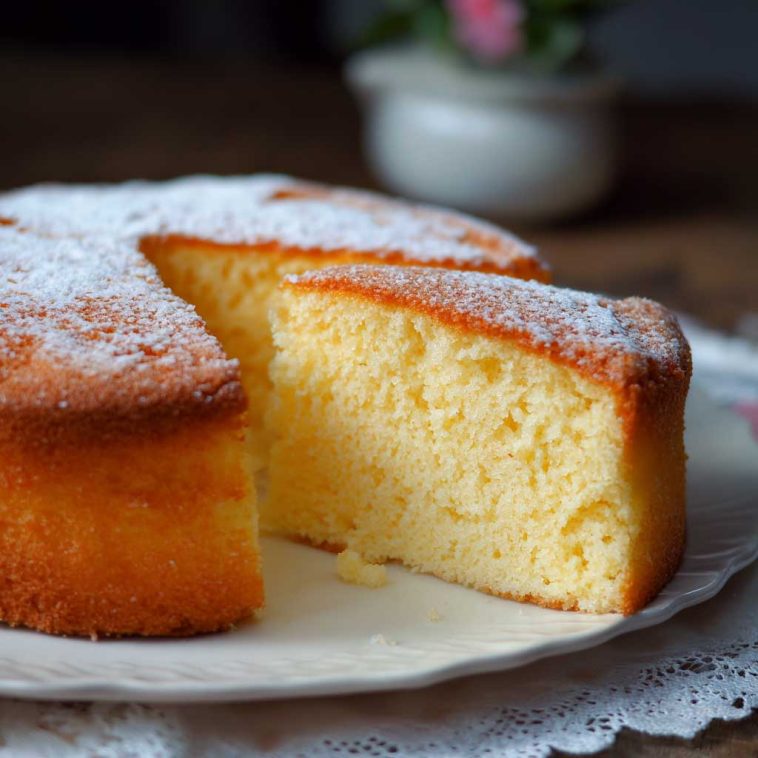
The Magic of a Perfect Sponge
Few desserts capture the imagination quite like a perfectly baked sponge cake. With its airy texture, delicate crumb, and subtle sweetness, sponge cake is a versatile base for endless creations—from layered birthday cakes to elegant trifles. Its simplicity is deceptive; behind the lightness lies careful technique and attention to detail.
Sponge cake has stood the test of time because it embodies the essence of baking: transforming humble ingredients into something extraordinary. Unlike dense butter cakes, sponge relies on whipped eggs for structure, creating a feather-light bite that melts in the mouth. This makes it adaptable to countless flavorings, fillings, and toppings.
This guide promises a foolproof approach to achieving lightness and fluffiness every time. By mastering the fundamentals—proper aeration, gentle folding, and precise baking—you’ll unlock the secret to sponge cakes that rise beautifully and taste divine. Whether enjoyed plain with tea or dressed up for celebrations, sponge cake remains timeless.
The History of Sponge Cake
The origins of sponge cake trace back to Renaissance Europe, where early versions were made with eggs, sugar, and flour, relying on natural aeration rather than chemical leaveners. These cakes were prized for their lightness, a novelty in an era dominated by dense breads and pastries.
Over time, sponge cake evolved into distinct variations. The Genoise, developed in Italy, incorporated melted butter for richness while maintaining its airy texture. In England, the Victoria sponge became iconic, layered with jam and cream, named after Queen Victoria herself. Later, in the 20th century, innovations like the chiffon cake in America introduced oil and baking powder, creating a hybrid that combined sponge-like lightness with moist tenderness.
Despite regional differences, sponge cake remains a global favorite. Its adaptability allows bakers to infuse local flavors—citrus in Mediterranean kitchens, matcha in Japanese patisseries, or tropical fruits in Caribbean desserts. The enduring appeal lies in its balance: simple ingredients transformed into a delicate, celebratory treat.
What Makes a Sponge Cake Light and Fluffy
The hallmark of sponge cake is its light, fluffy texture, achieved through careful aeration. Eggs are the foundation—when whipped, they trap air bubbles that expand during baking, giving the cake its lift.
Aeration in Eggs: Whipping whole eggs or separating yolks and whites creates volume. Egg whites, in particular, can be beaten to stiff peaks, forming a stable foam that supports the cake’s structure.
Gentle Folding of Flour: Once the eggs are whipped, flour must be incorporated carefully. Folding gently with a spatula prevents deflating the airy mixture. Overmixing can collapse bubbles, resulting in a dense cake.
Balanced Sugar and Fat Ratios: Sugar stabilizes whipped eggs, while fat (from butter or oil) adds tenderness. Too much fat, however, can weigh down the batter. Achieving balance ensures both flavor and texture.
Tip: Always use room-temperature eggs. They whip higher and faster, creating a more stable foam. Cold eggs resist aeration, limiting volume.
Together, these elements create the signature sponge cake: light, fluffy, and delicately sweet.
Essential Techniques for Success
- Whipping Egg Whites to Stiff Peaks: Beat egg whites until glossy and firm. They should hold their shape when lifted. Avoid overbeating, which causes dryness and collapse.
- Folding Without Deflating Batter: Use a spatula to fold flour into whipped eggs with gentle, sweeping motions. Rotate the bowl and cut through the center, lifting batter from the bottom. This preserves air bubbles.
- Using Cake Flour for Tenderness: Cake flour has lower protein content than all-purpose flour, resulting in a finer crumb. Sift flour before folding to prevent lumps.
- Baking at the Right Temperature: Bake sponge cakes at moderate heat (around 350°F / 175°C). Too high, and the cake rises quickly but collapses; too low, and it becomes dense. Preheat the oven and avoid opening the door during baking.
- Cooling Properly: Once baked, cool sponge cakes on a wire rack. Leaving them in the pan too long can cause sogginess.
Mastering these techniques ensures consistent success, producing sponge cakes that are light, tender, and beautifully risen.
Flavor Variations & Creative Twists
- Vanilla Sponge with Syrup Soak: Brush layers with simple syrup infused with vanilla or liqueur for added moisture.
- Chocolate Sponge with Cocoa Powder: Replace part of the flour with cocoa for a rich, chocolatey version.
- Citrus Sponge with Lemon Zest: Add zest to the batter for brightness and a refreshing twist.
- Layered Sponge with Fruit and Cream: Slice horizontally, fill with whipped cream and berries, and stack for an elegant dessert.
These variations highlight sponge cake’s adaptability, making it suitable for any occasion.
Serving Ideas & Pairings
Sponge cake pairs beautifully with whipped cream and fresh berries, creating a light yet indulgent dessert.
It serves as the perfect base for trifles, layered with custard, fruit, and cream in a glass dish.
For a richer option, pair sponge with custard or ice cream, balancing warm cake with cool accompaniments.
For elegant presentation, dust with powdered sugar, drizzle with glaze, or decorate with edible flowers.
Light and Fluffy Sponge Cake Recipe – Classic Easy Dessert Idea
Equipment
- Mixing bowls
- Electric mixer or whisk
- Spatula
- Sifter
- 9-inch round cake pan
- Wire cooling rack
Ingredients
- 4 large eggs (room temperature)
- ¾ cup granulated sugar
- 1 cup cake flour (sifted)
- ¼ tsp salt
- 1 tsp vanilla extract (optional)
Instructions
- Prepare Pan: Line a 9-inch cake pan with parchment paper. Preheat oven to 350°F (175°C).
- Whip Eggs & Sugar: Beat eggs and sugar together until pale, thick, and tripled in volume.
- Fold Flour: Sift flour and salt over the egg mixture. Gently fold with a spatula to avoid deflating.
- Add Flavor: Stir in vanilla extract if desired.
- Bake: Pour batter into pan and bake for 25–30 minutes until golden and springy to the touch.
- Cool: Invert pan onto a wire rack and let cake cool completely before slicing.
Notes
- Pro Tip: Invert cake while cooling to prevent collapse and maintain height.
- Variations: Add cocoa powder for chocolate sponge, lemon zest for citrus, or soak layers with flavored syrup.
- Storage: Keeps 2–3 days at room temperature in an airtight container.
- Serving Idea: Pair with whipped cream and berries, or use as a base for trifles and layered cakes.