
 Laura Mariano
Introduction to Classic Goulash
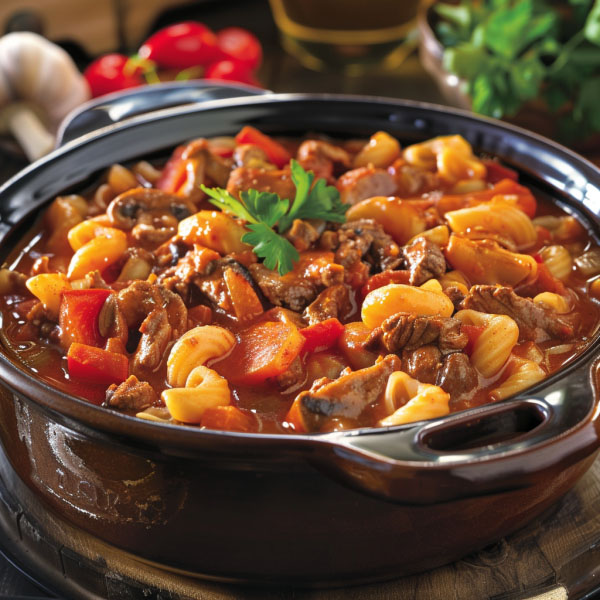
Few dishes embody comfort food quite like goulash. Whether you’re thinking of the rich Hungarian stew flavored with paprika or the American-style version with ground beef and pasta, goulash is hearty, satisfying, and budget-friendly. It’s the kind of recipe that warms you up on a cold evening and brings families together around the table. In this article, we’ll explore the roots of goulash, why it remains a beloved dish worldwide, and how to prepare a classic version that tastes amazing every time.
The Appeal of Goulash
Goulash is appealing because it’s both simple and versatile. It uses affordable ingredients—beef, onions, tomatoes, pasta or potatoes—and transforms them into a flavorful, filling meal. It’s perfect for busy weeknights yet special enough for gatherings.
The dish also adapts easily: Hungarian goulash leans toward a stew with chunks of beef and paprika, while American goulash is more of a one-pot pasta dish. Both versions share the same comforting qualities.
Tip: Goulash often tastes even better the next day, as the flavors deepen overnight.
Origins & Inspiration
The word “goulash” comes from the Hungarian gulyás, meaning “herdsman.” Traditional Hungarian goulash was a beef stew cooked slowly over an open fire, seasoned generously with paprika. Over time, immigrants brought the dish to America, where it evolved into a tomato-based pasta dish using ground beef.
This dual identity makes goulash fascinating: it’s both a rustic European stew and a quick American comfort food. The recipe we’ll cover here draws inspiration from both traditions, blending authenticity with practicality.
Nutritional Notes
Classic goulash is not only delicious but also nourishing:
- Beef: Provides protein, iron, and vitamin B12.
- Tomatoes: Rich in vitamin C and antioxidants.
- Paprika: Adds flavor and antioxidants.
- Pasta or potatoes: Supply energy through carbohydrates.
Tip: For a lighter version, use lean beef and whole-grain pasta, or substitute beans for part of the meat.
Why This Recipe Works
This recipe works because it balances savory beef, tangy tomato, and smoky paprika. The slow simmer allows flavors to meld, while pasta or potatoes make it hearty and filling. It’s easy to prepare with pantry staples yet feels like a special meal.
Tip: Don’t skip paprika—it’s the soul of goulash.
Step-by-Step Preparation Guide
Step 1: Brown Beef In a large pot, cook ground beef (or beef chunks for Hungarian style) with onion and garlic until browned.
Step 2: Add Seasonings Stir in paprika, salt, pepper, and optional herbs like bay leaf or oregano.
Step 3: Build Sauce Add canned tomatoes, tomato paste, and beef broth. Stir well.
Step 4: Simmer Cover and let simmer for 20–30 minutes (longer for Hungarian style) to deepen flavor.
Step 5: Cook Pasta or Potatoes Boil pasta separately (for American goulash) or add diced potatoes directly to the stew (for Hungarian goulash).
Step 6: Combine & Serve Mix pasta into the sauce or serve stew over potatoes. Garnish with parsley or a dollop of sour cream.
Expert Tip: Taste and adjust seasoning before serving—paprika and salt levels can vary.
Classic Goulash Recipe (Easy One Pot Comfort Food)
Equipment
- Large pot or Dutch oven
- Wooden spoon
- Cutting board and knife
- Measuring Cups and Spoons
- Ladle
Ingredients
- Ground beef or beef chunks (depending on style)
- Onion and garlic
- Paprika (sweet or hot)
- Tomatoes (canned or fresh)
- Tomato paste
- Beef broth
- Pasta (for American version) or potatoes (for Hungarian version)
- Salt, pepper, herbs (optional)
Instructions
- Brown Beef: Cook beef with onion and garlic until browned.
- Add Seasonings: Stir in paprika, salt, pepper, and herbs.
- Build Sauce: Add tomatoes, tomato paste, and broth. Mix well.
- Simmer: Cover and simmer for 20–30 minutes (longer for stew-style).
- Cook Pasta or Potatoes: Boil pasta separately or add diced potatoes to stew.
- Combine & Serve: Mix pasta into sauce or serve stew over potatoes. Garnish with parsley or sour cream.
Notes
- Use lean beef for a lighter dish.
- Sweet paprika gives mild flavor; hot paprika adds spice.
- Store in fridge for 3–4 days or freeze for up to 3 months.
- If freezing American goulash, keep pasta separate to avoid mushiness.
- Goulash tastes even better the next day as flavors meld.
- Serve with crusty bread or salad for a complete meal.