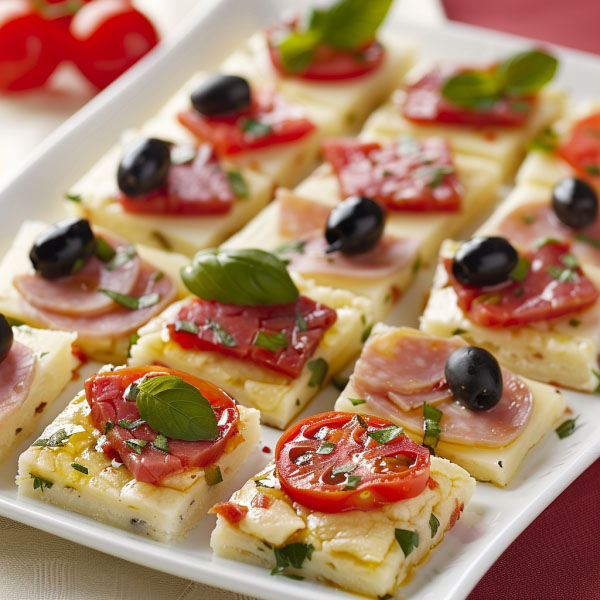
Introduction to Antipasto Squares
Antipasto squares are a delicious twist on the classic Italian appetizer platter, transformed into a warm, baked dish that’s perfect for sharing. Made with layers of crescent dough filled with deli meats, cheeses, roasted peppers, and olives, these savory squares are baked until golden and set. The result is a flavorful, hearty treat that combines the essence of antipasto with the convenience of a casserole. Ideal for parties, potlucks, or family gatherings, antipasto squares are easy to prepare and serve, making them a crowd-pleasing option for any occasion. Their layered presentation ensures every bite is packed with flavor, while the flaky crescent dough adds a comforting touch. Whether you’re looking for a festive appetizer or a satisfying snack, antipasto squares bring together Italian tradition and modern convenience in one irresistible dish.
The Appeal of Antipasto-Inspired Dishes
Antipasto, meaning “before the meal” in Italian, traditionally consists of a platter of cured meats, cheeses, olives, and roasted vegetables. These boards are designed to awaken the palate and set the stage for the main course. Over time, the concept of antipasto has evolved beyond platters, inspiring creative baked dishes that capture the same flavors in new forms.
Antipasto squares are one such innovation. By layering meats, cheeses, and vegetables between crescent dough, they transform the appetizer into a warm, cohesive dish. The appeal lies in their versatility: they can be served as appetizers, snacks, or even a light meal. Their bite-sized portions make them perfect for parties, while their bold flavors ensure they stand out on any table.
This baked twist on antipasto combines nostalgia with convenience, offering a crowd-pleasing option that’s both familiar and exciting.
The History of Antipasto
Antipasto has deep roots in Italian cuisine, dating back centuries as a way to welcome guests and prepare them for the meal ahead. Traditional antipasto platters featured cured meats like salami and prosciutto, cheeses such as mozzarella and provolone, and accompaniments like olives, peppers, and marinated vegetables. These ingredients reflected Italy’s rich culinary heritage and regional diversity.
As Italian immigrants brought their traditions abroad, antipasto adapted to new contexts. In the United States, antipasto platters became popular at family gatherings and festive occasions. Over time, creative cooks began incorporating antipasto flavors into baked dishes, leading to recipes like antipasto squares. By layering meats, cheeses, and vegetables into crescent dough, they created a dish that was easy to prepare, transport, and serve.
Today, antipasto squares represent the evolution of a classic tradition, blending old-world flavors with modern convenience.
Nutritional Notes
Antipasto squares are indulgent yet balanced. The deli meats and cheeses provide protein and calcium, supporting satiety and bone health. Crescent dough contributes carbohydrates, offering energy and structure to the dish. Roasted peppers and olives add fiber, vitamins, and antioxidants, enhancing the nutritional profile.
While rich in flavor, antipasto squares should be enjoyed in moderation due to their sodium and fat content from cured meats and cheeses. Portion control is key—serving smaller squares alongside a fresh salad can balance the meal.
For lighter variations, consider using reduced-fat cheese, leaner meats, or whole-grain dough. Adding extra vegetables like spinach or zucchini can boost fiber and nutrients. Overall, antipasto squares are a satisfying dish that combines indulgence with wholesome ingredients when enjoyed responsibly.
Why This Recipe Works
This recipe works because it’s simple yet flavorful. Using store-bought crescent dough saves time, while layering meats, cheeses, and vegetables ensures every bite is packed with taste. As the squares bake, the flavors meld together, creating a rich, cohesive dish.
The technique is straightforward, requiring only assembly and baking, yet the result looks impressive. Allowing the squares to cool before slicing ensures neat portions and prevents fillings from spilling out. With minimal effort, you get a dish that’s versatile, crowd-pleasing, and rooted in Italian tradition.
Step-by-Step Preparation Guide
- Prepare Dough Base: Preheat oven to 350°F (175°C). Grease a 9×13-inch baking dish. Roll out one sheet of crescent dough and press into the bottom of the dish.
- Layer Meats: Add slices of ham, salami, and pepperoni evenly over the dough.
- Add Cheeses: Layer mozzarella, provolone, and a sprinkle of Parmesan for depth.
- Incorporate Vegetables: Scatter roasted peppers and sliced olives across the cheese layer.
- Top with Dough: Place another sheet of crescent dough over the filling, pressing edges to seal.
- Brush & Bake: Brush the top with beaten egg for a glossy finish. Bake for 30–35 minutes until golden brown and set.
- Cool & Slice: Let cool for 10 minutes before slicing into squares.
Expert Tip: Cooling ensures neat portions and allows flavors to settle.
Antipasto Squares Recipe | Easy Party Appetizer
Antipasto Squares are a flavorful, layered dish made with Italian deli meats, cheese, and vegetables baked between flaky pastry or crescent dough. Packed with bold, savory flavors, this easy recipe is perfect for parties, gatherings, or as a make-ahead appetizer. Each bite delivers a delicious combination of textures and classic antipasto ingredients, making it a guaranteed crowd favorite.
- 9×13-inch baking dish
- Mixing bowls
- Knife + cutting board
- Pastry brush
- Measuring cups & spoons
- 2 cans refrigerated crescent dough
- 6 slices ham
- 6 slices salami
- 6 slices pepperoni
- 6 slices provolone cheese
- 1 cup shredded mozzarella
- ¼ cup grated Parmesan
- ½ cup roasted red peppers, drained and sliced
- ¼ cup black olives, sliced
- 1 egg, beaten (for egg wash)
Prepare Base: Preheat oven to 350°F (175°C). Grease baking dish. Roll out one sheet of crescent dough and press into bottom.
Layer Meats: Place ham, salami, and pepperoni evenly over dough.
Add Cheeses: Layer provolone, mozzarella, and Parmesan.
Add Vegetables: Scatter roasted peppers and olives across cheese.
Top with Dough: Place second sheet of crescent dough over filling, pressing edges to seal.
Brush & Bake: Brush top with beaten egg. Bake 30–35 minutes until golden brown.
Cool & Slice: Let cool 10 minutes before slicing into squares.
Drain roasted peppers and olives well to avoid soggy layers.
Cooling before slicing ensures neat portions.
Customize with different meats (prosciutto, capicola) or cheeses (fontina, asiago).
Serve warm or at room temperature—perfect for buffets.
Store leftovers in fridge up to 3 days; reheat in oven for crispness.









Be First to Comment