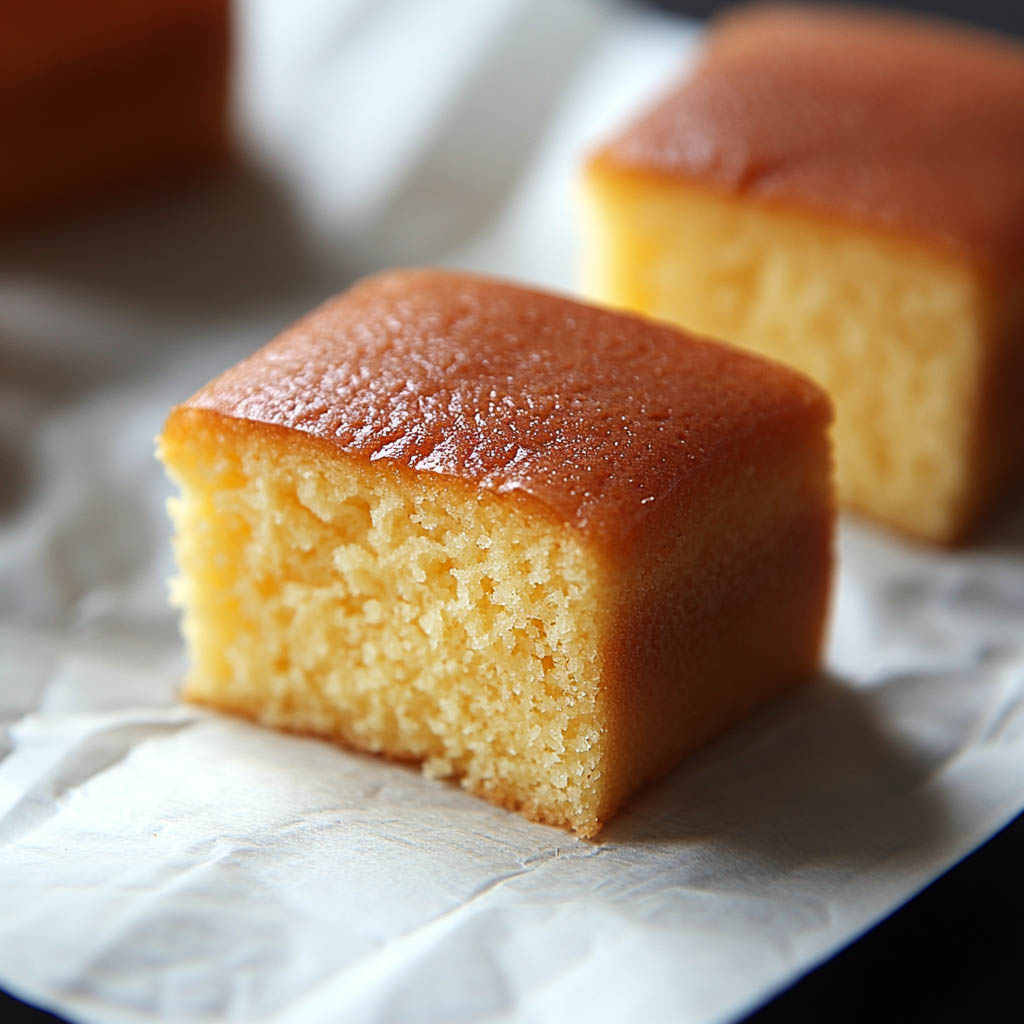
Castella Cake Bitten – A Sweet Japanese Sponge Classic
Castella cake, known in Japan as Kasutera, is a soft, moist sponge cake with Portuguese origins that has become a beloved Japanese specialty. With its light texture, honey sweetness, and golden crust, Castella is the perfect companion to tea or coffee. Traditionally baked in rectangular loaf pans, it’s famous for its bouncy crumb and slightly chewy bite. Whether enjoyed as a festival treat, a thoughtful gift, or a simple snack, Castella embodies the harmony of simplicity and indulgence. In this article, we’ll explore its fascinating history, share a step-by-step recipe, highlight pro tips for achieving the perfect airy texture, and offer creative flavor variations, serving ideas, storage methods, and answers to frequently asked questions.
What Is Castella Cake?
Castella cake is a Japanese sponge cake introduced by Portuguese merchants in the 16th century. It quickly became a Nagasaki specialty and remains one of Japan’s most iconic desserts.
The cake is made with just a few simple ingredients: bread flour, sugar, eggs, and mizuame syrup (or honey). Unlike Western sponge cakes, Castella does not use butter or oil, giving it a uniquely moist yet light texture.
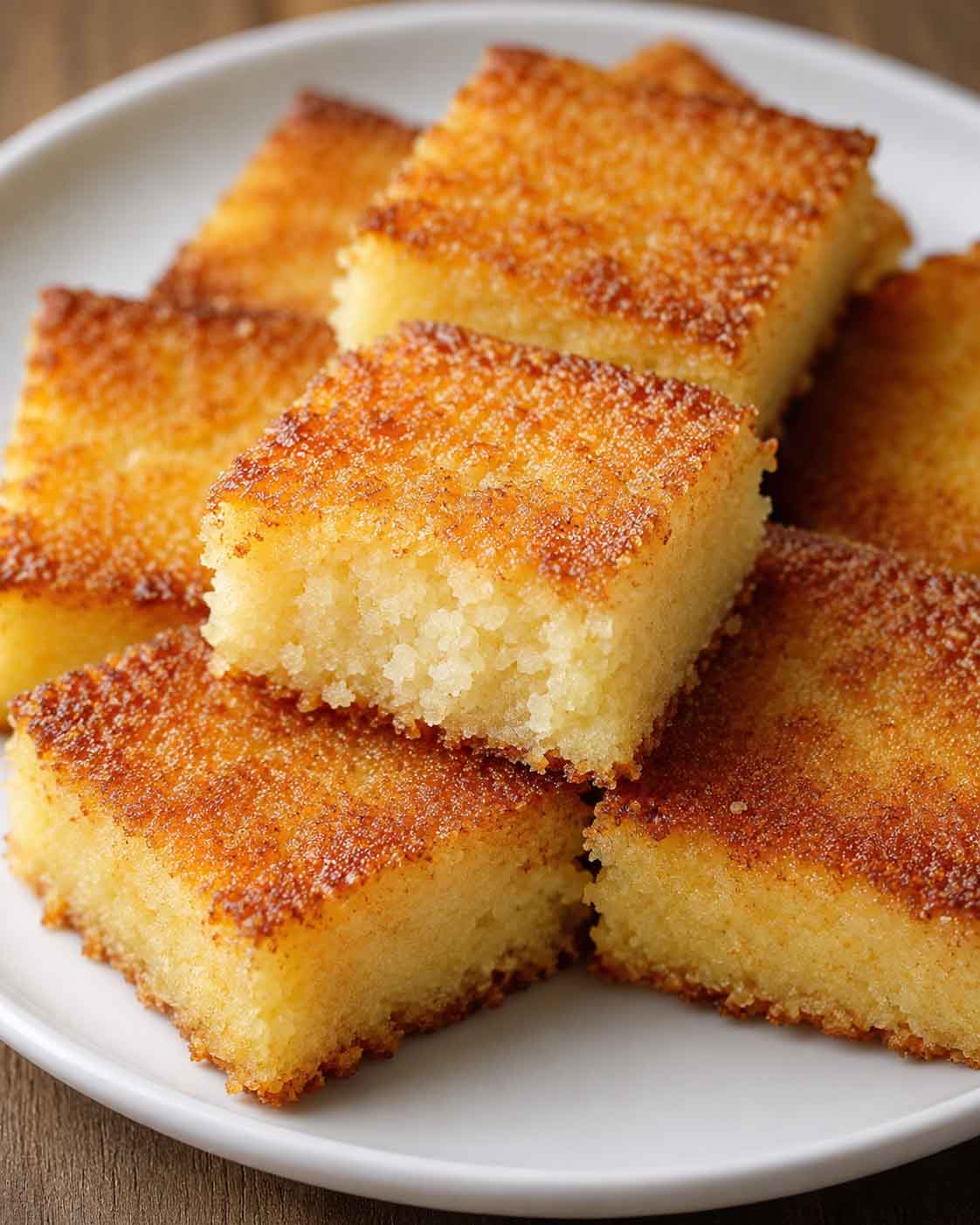
Distinct features include its golden top, rectangular loaf shape, and the zarame sugar base that adds a subtle crunch. Castella is often considered part of the wagashi (traditional Japanese confectionery) family, though it has European roots.
The texture is soft, bouncy, and slightly chewy, making each bite delicate yet satisfying. Its understated sweetness and airy crumb make it versatile—equally suited for tea ceremonies, casual snacking, or gifting.
History of Castella Cake
Castella’s story begins in the 16th century when Portuguese merchants introduced sponge cake recipes to Japan through Nagasaki, a major trading port. Japanese bakers adapted the recipe, replacing certain ingredients with local ones. Instead of using butter, they incorporated mizuame syrup for moisture and sweetness, and added zarame sugar at the base for texture.
By the Edo period, Castella had become a cultural staple. Iconic makers like Fukusaya (founded in 1624) and Bunmeido perfected the recipe and popularized it across Japan. Castella was often gifted in decorative boxes, symbolizing hospitality and refinement.
Its cultural significance grew as it became a tea-time snack, festival treat, and souvenir from Nagasaki. Over time, variations emerged, including matcha Castella, chocolate Castella, and even cheese Castella, reflecting modern tastes while preserving tradition.
Today, Castella remains a beloved wagashi, celebrated for its balance of simplicity and elegance. Its enduring popularity shows how a cake born from cross-cultural exchange became a timeless Japanese classic.
Why You’ll Love Castella Cake
- Light yet indulgent texture
- Easy-to-find ingredients
- Perfect with tea or coffee
- Kid-friendly and versatile
- Elegant enough for gifting
Pro Tip: Whip eggs thoroughly until pale and fluffy—this step is key to achieving Castella’s signature airy texture.
Ingredients You’ll Need
Base Ingredients
- Bread flour
- Sugar
- Eggs
- Honey or mizuame syrup
Optional Additions
- Matcha powder (for earthy flavor)
- Cocoa powder (for chocolate variation)
- Cheese (for savory twist)
- Zarame sugar (for crunchy base)
Ingredient Tip: Bread flour provides structure, while honey adds moisture and a subtle sweetness.
Kitchen Equipment Needed
- Rectangular loaf pan
- Mixing bowls
- Electric mixer
- Whisk
- Parchment paper
- Cooling rack
Tip: Line the pan with parchment paper to ensure easy removal and a smooth finish.
Easy Castella Cake Recipe | Fluffy Japanese Sponge Cake
Make Castella cake with this easy recipe. A soft, fluffy Japanese sponge cake with delicate sweetness and moist texture—perfect for dessert, tea time, or gifting.
- Rectangular loaf pan
- Mixing bowls
- Electric mixer
- Whisk
- Parchment paper
- Cooling rack
Base Ingredients
- 1 cup bread flour
- 1 cup sugar
- 4 large eggs
- 3 tbsp honey or mizuame syrup
Optional Additions
- 2 tbsp matcha powder (for earthy flavor)
- 2 tbsp cocoa powder (for chocolate variation)
- ½ cup cream cheese (for savory twist)
- 2 tbsp zarame sugar (for crunchy base)
- Ingredient Tip: Bread flour provides structure, while honey adds moisture and depth.
Prepare Pan – Line loaf pan with parchment paper.
Whip Eggs & Sugar – Beat eggs and sugar until pale and fluffy.
Add Honey & Flour – Warm honey slightly, fold into egg mixture, then sift and fold in flour gently.
Pour Batter – Transfer to pan, tap lightly to release air bubbles. Sprinkle zarame sugar if desired.
Bake – Bake at 160°C (320°F) for 50–60 minutes until golden.
Cool & Rest – Cool in pan for 10 minutes, transfer to rack, wrap in plastic, and rest overnight.
Slice & Serve – Cut into neat slices and enjoy with tea or coffee.
Make-Ahead: Best enjoyed after resting overnight.
Variations: Try matcha, chocolate, or cheese for unique flavors.
Serving Idea: Present in decorative boxes for gifting.
Storage: Keeps 3–4 days at room temp, up to a week refrigerated, or 2 months frozen.



Be First to Comment