

 Laura Mariano
Why Swirled Garlic Herb and Cheese Bread is a Must-Try
There’s something truly special about homemade bread — the warm aroma, the soft texture, and the satisfaction of crafting something from scratch. Now imagine taking that comfort a step further with a bread that’s not just soft and fluffy but also bursting with layers of rich garlic, fragrant herbs, and gooey melted cheese. This is the magic of Swirled Garlic Herb and Cheese Bread — a show-stopping loaf that transforms a simple staple into a flavor-packed delight.
Perfect as a side to soups and salads, a savory snack, or a crowd-pleasing party appetizer, this bread is as versatile as it is delicious. Its unique swirl of garlic, herbs, and cheese throughout each slice means every bite is full of vibrant, mouthwatering flavor.
The best part? Despite its impressive appearance and decadent taste, this recipe is surprisingly easy to make. Whether you’re a seasoned baker or trying your hand at homemade bread for the first time, this step-by-step guide will walk you through the process so you can master this flavorful twist on a classic loaf.
Get ready to impress your family and guests with this irresistible bread that looks gourmet but feels like a warm, comforting hug from your own kitchen.
What Makes Swirled Bread Unique? Understanding the Technique
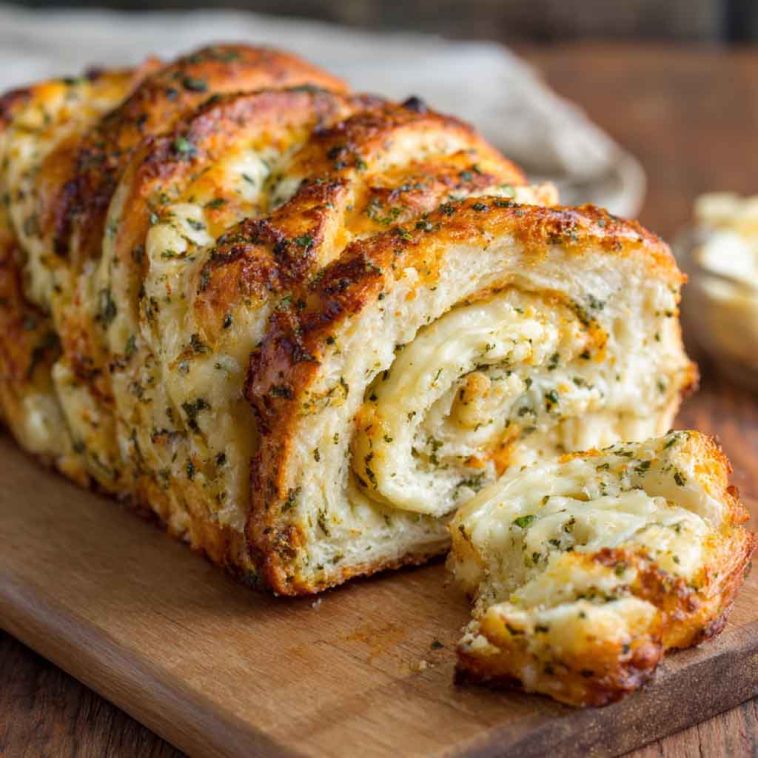
The defining feature of swirled bread is the technique that gives it its stunning appearance and flavor distribution: layering and rolling dough with a flavorful filling before baking. Unlike stuffed breads, where ingredients are simply enclosed within the dough, or flatbreads that are topped before baking, swirled bread creates a beautiful marbled effect by rolling the filling into thin layers.
This technique ensures that every slice reveals delicate ribbons of garlic, herbs, and cheese intertwined throughout the bread. The swirl not only elevates the visual appeal but also guarantees an even distribution of flavors, so no bite feels bland or one-dimensional.
When applied to garlic herb and cheese combinations, swirling works exceptionally well because the melting cheese softens into the dough, mingling with aromatic herbs and garlic, creating pockets of rich, savory goodness. This layered approach results in bread that is not only tender and fluffy but also flavorful throughout, making it a memorable centerpiece for any meal or gathering.
Key Ingredients That Bring This Bread to Life
The secret to unforgettable swirled garlic herb and cheese bread starts with choosing fresh, high-quality ingredients. Fresh garlic is a must for vibrant, punchy flavor that outshines garlic powder’s milder taste. Mince it finely or grate it to release its full aroma without overpowering the bread.
Herbs bring brightness and complexity. Rosemary and thyme add an earthy, woodsy note; parsley offers freshness; and basil introduces a subtle sweetness. These herbs complement cheese beautifully, and you can mix and match to suit your preference.
Cheese selection is crucial to the bread’s texture and flavor. Mozzarella is a popular choice for its superb melting quality and creamy texture. Cheddar lends sharpness and a golden crust when baked, while Parmesan adds nuttiness and depth. Combining two or three cheeses can create a layered flavor profile and gooey, satisfying melt.
Of course, the bread itself depends on good flour and yeast — bread flour with higher protein content ensures a chewy, elastic crumb, while active dry or instant yeast guarantees a reliable rise. Proper hydration (the right water-to-flour ratio) is key to achieving a soft, airy loaf.
For adventurous bakers, optional additions like chili flakes for heat, chopped olives for briny contrast, or sun-dried tomatoes for sweetness can personalize the bread and add complexity.
Step-by-Step Process to Make Swirled Garlic Herb and Cheese Bread
Preparing the Dough:
Start by mixing your bread flour, yeast, salt, and water to form a dough. Knead it for about 8-10 minutes until smooth and elastic. Proper kneading develops gluten, which creates structure and chewiness. The dough should be slightly tacky but not sticky. Cover and let it rise in a warm spot for 1 to 1.5 hours until doubled in size.
Creating the Garlic Herb Cheese Filling:
While the dough rises, prepare your filling by mixing finely minced garlic, chopped fresh herbs, and grated cheese in a bowl. For better spreading and flavor infusion, you can add a small amount of softened butter or olive oil to the mixture. Balance moisture carefully—too wet, and it may seep into the dough; too dry, and the layers won’t meld.
Rolling and Layering the Dough:
Once risen, punch down the dough gently and roll it out into a large rectangle on a floured surface, about 12×16 inches. Evenly spread your garlic herb cheese filling over the dough, leaving a small border on all sides.
Starting at one long edge, tightly roll the dough into a log, sealing the edges by pinching. The tight roll ensures distinct, beautiful swirls.
Shaping the Bread:
Depending on your preference, you can leave the dough as a loaf or slice it lengthwise and twist the two halves together for a braided effect. Alternatively, slice the log into thick pieces and arrange them in a loaf pan for a pull-apart style.
Baking:
Place your shaped dough onto a parchment-lined baking sheet or into a greased loaf pan. Let it rest for another 20-30 minutes to rise slightly again. Preheat your oven to 375°F (190°C). Brush the top with an egg wash or olive oil for a golden crust. Bake for 30-35 minutes or until the bread is golden brown and the cheese inside is bubbly.
Cooling and Slicing:
Let the bread cool on a wire rack for at least 15 minutes before slicing. This rest time helps the cheese set slightly and prevents it from oozing out excessively. Slice carefully to reveal the gorgeous swirls and enjoy warm or at room temperature.
Tips and Tricks for Perfect Swirled Bread Every Time
Achieving the perfect swirled bread is a balance of technique and ingredient care. One common challenge is avoiding soggy bread caused by too much moisture in the filling. To prevent this, be mindful of the moisture content in your garlic herb cheese mixture—drain any watery ingredients, and consider using a bit of softened butter or oil to bind rather than liquid-heavy sauces.
Using room temperature ingredients—especially water and butter—helps the dough rise more efficiently and creates a tender crumb. Cold ingredients can slow fermentation and affect texture.
Oven temperatures vary, so watch your bread closely as it bakes. Most ovens bake perfectly at 375°F (190°C), but if your oven runs hot, reduce the temperature slightly to avoid burning the crust before the inside cooks through. Conversely, if your bread browns too slowly, increase heat slightly or use the broil function carefully at the end.
To keep leftover bread fresh, wrap it tightly in plastic wrap or store it in an airtight container at room temperature for up to two days. For longer storage, freeze sliced or whole loaves in freezer bags.
Pro Tip: After baking, brush the crust with garlic butter or herb-infused oil. This adds shine, extra flavor, and a tempting aroma that makes your bread irresistible.
Variations and Flavor Twists to Try
Swirled garlic herb and cheese bread is a fantastic canvas for flavor creativity. Swap out herbs for different tastes—try dill for a fresh, slightly tangy twist; oregano for a Mediterranean vibe; or chives for a mild onion note. Mixing herbs can add layers of complexity.
Cheese combos can take your bread from classic to adventurous. Spicy pepper jack adds a kick, smoked gouda offers a deep, smoky flavor, and crumbled feta brings a briny sharpness. Blend cheeses for melty, flavorful pockets in every bite.
Add-ins like caramelized onions add sweetness and depth, roasted garlic provides mellow richness, and sun-dried tomatoes introduce a chewy, tangy element. These make your bread extra special and unique.
For dietary preferences, try gluten-free dough blends or swap regular flour for whole wheat to add nuttiness and fiber. Vegan bakers can use plant-based cheese alternatives and garlic-infused olive oil instead of butter to achieve similar flavors without dairy.
These variations let you tailor the bread to your taste or dietary needs while keeping the beautiful swirl and irresistible flavor.
Serving Suggestions: What to Pair with Swirled Garlic Herb and Cheese Bread
Swirled garlic herb and cheese bread pairs beautifully with a wide range of dishes. Serve it alongside hearty soups like tomato basil or creamy mushroom for dipping. It also complements fresh green salads, balancing richness with crispness.
For main dishes, it’s perfect with pasta, roasted chicken, or grilled vegetables, adding a savory touch to your meal. Its rich garlic and cheesy layers make it an excellent appetizer — simply slice and serve on a platter with olives, cured meats, or dips.
Pair your bread with wines that enhance its flavors — a crisp Sauvignon Blanc, a light Pinot Noir, or a fruity Rosé work well. Non-alcoholic options like sparkling water with lemon or a chilled herbal iced tea also refresh the palate between bites.
Storing and Reheating Your Bread
To keep your swirled garlic herb and cheese bread fresh, wrap it tightly in plastic wrap or foil once cooled. Store at room temperature for up to two days. For longer storage, freeze the whole loaf or pre-sliced pieces in airtight freezer bags for up to three months.
When reheating, avoid microwaving directly, which can make the bread soggy. Instead, warm slices in a preheated oven at 350°F (175°C) for 5-8 minutes to restore a crisp crust and melty cheese inside.
For added convenience, you can freeze the dough before baking. After the first rise and shaping, wrap the dough tightly and freeze. When ready to bake, thaw overnight in the fridge, let it rise at room temperature for 30-60 minutes, then bake as usual.
Frequently Asked Questions (FAQs)
Can I make swirled garlic herb and cheese bread ahead of time?
Yes! You can prepare the dough and filling a day ahead, refrigerate, and bake fresh the next day. Alternatively, freeze the shaped dough before baking.
What type of cheese melts best in this bread?
Mozzarella, cheddar, gouda, and pepper jack melt well and create gooey pockets. Combining cheeses often yields the best flavor and texture.
How do I avoid the bread becoming soggy?
Limit liquid in the filling, drain any wet ingredients, and avoid over-spreading. Also, let the bread cool before slicing to set the cheese.
Can I use dried herbs instead of fresh?
Yes, but reduce the quantity by about half since dried herbs are more concentrated. Fresh herbs offer brighter flavor.
What’s the best way to slice the bread for serving?
Use a serrated bread knife and slice gently to showcase the swirl pattern without squashing the loaf.
Is it possible to make this bread without yeast?
You can try quick bread variations with baking powder, but the texture and rise won’t match yeast bread’s fluffiness.
How long does this bread keep fresh?
At room temperature, up to 2 days wrapped tightly; refrigerated for about 4 days; frozen up to 3 months.
Final Thoughts: Bringing Comfort and Flavor Together in One Loaf
Swirled garlic herb and cheese bread is a true crowd-pleaser—combining the comforting allure of homemade bread with bold, savory flavors that delight every bite. Its beautiful marbled design and melty, aromatic filling make it a standout on any table, whether for a casual family meal or a special gathering.
With easy-to-follow steps and plenty of room for personalization, this recipe invites you to experiment and make it your own. From herb swaps to cheese blends, you can adapt it to suit your tastes and dietary needs.
We encourage you to try this recipe, share your variations, and enjoy the warmth and joy that freshly baked bread brings. After all, there’s nothing quite like the smell of garlic and herbs filling your kitchen and the satisfying taste of homemade goodness.
Swirled Garlic Herb and Cheese Bread
Equipment
- Large mixing bowl
- Wooden spoon or dough hook (if using a stand mixer)
- Rolling Pin
- Baking sheet or loaf pan
- Parchment paper
- Serrated bread knife
- Measuring Cups and Spoons
Ingredients
- 3 ½ cups bread flour (plus extra for dusting)
- 1 packet (2 ¼ tsp) active dry yeast
- 1 tsp salt
- 1 ¼ cups warm water (about 110°F/43°C)
- 2 tbsp olive oil (plus extra for greasing)
For the filling:
- 3 cloves garlic, minced or grated
- 1 cup shredded mozzarella cheese
- ½ cup shredded cheddar cheese
- 2 tbsp fresh rosemary, finely chopped (or mixed herbs like thyme, parsley)
- 2 tbsp softened unsalted butter or olive oil
- Optional: pinch of chili flakes for heat
Instructions
- Make the dough: In a large bowl, combine warm water, yeast, and a pinch of sugar. Let sit 5 minutes until foamy. Add bread flour, salt, and olive oil. Mix until a shaggy dough forms.
- Knead: Turn dough onto a floured surface and knead 8–10 minutes until smooth and elastic. Alternatively, use a stand mixer with dough hook for 6–7 minutes.
- First rise: Place dough in a lightly oiled bowl, cover with a damp cloth, and let rise in a warm spot for 1 to 1.5 hours until doubled.
- Prepare filling: Mix garlic, herbs, cheeses, and softened butter or oil in a bowl.
- Shape and fill: Punch down the dough and roll out into a 12x16 inch rectangle. Spread the filling evenly, leaving a small border. Roll tightly into a log and pinch edges to seal.
- Second rise: Place the loaf seam-side down on a parchment-lined baking sheet or in a greased loaf pan. Cover and let rise 20–30 minutes.
- Bake: Preheat oven to 375°F (190°C). Brush the loaf with olive oil or an egg wash. Bake 30–35 minutes until golden and cheese is bubbly.
- Cool and serve: Cool on a wire rack for at least 15 minutes before slicing to let cheese set.
Notes
- For softer bread, use bread flour or a mix of all-purpose and bread flour.
- Adjust herbs and cheese to taste—fresh herbs give brighter flavor, dried can be used sparingly.
- Avoid over-moist fillings to prevent sogginess; drain or pat dry any watery ingredients.
- Store leftover bread in airtight container at room temperature for up to 2 days or freeze slices.
- Reheat slices in a 350°F oven for 5–8 minutes for a fresh-baked crust and melty cheese.