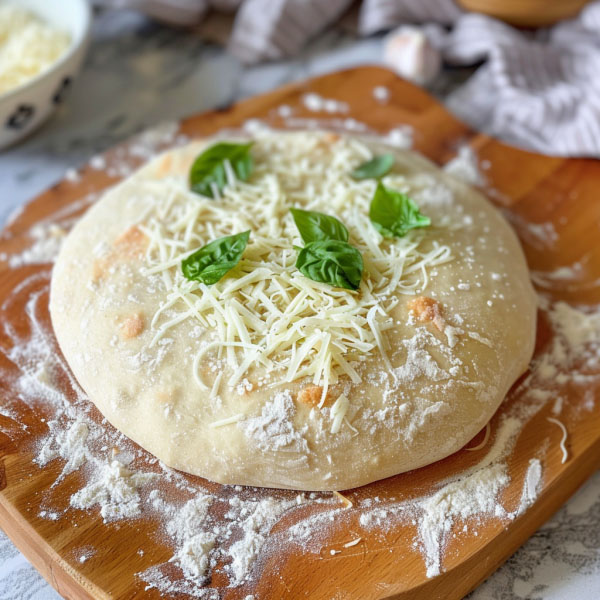
Introduction to Sourdough Pizza Dough
Few things are more satisfying than biting into a slice of pizza with a chewy, tangy crust that’s been naturally fermented. Sourdough Pizza Dough brings together the best of two worlds: the artisanal flavor of sourdough bread and the irresistible appeal of homemade pizza. Unlike quick yeast doughs, sourdough relies on a living starter, which not only adds depth of flavor but also makes the crust easier to digest. This recipe is perfect for anyone who loves the idea of slow food—taking time to nurture dough that rewards you with incredible taste and texture.
The Appeal of Sourdough Pizza Dough
Sourdough pizza dough stands out because of its unique flavor profile. The natural fermentation process produces subtle tanginess, complex aromas, and a crust that’s both chewy and crisp. It’s the kind of dough that elevates pizza night into something special.
Beyond taste, sourdough offers practical benefits. The long fermentation helps break down gluten, making the dough easier on digestion. It also keeps the crust fresher for longer compared to instant yeast doughs.
Tip: Patience is key—allowing the dough to ferment slowly is what creates that signature sourdough flavor.
Origins & Inspiration
Sourdough has ancient roots, dating back thousands of years as one of the earliest forms of leavened bread. Pizza, meanwhile, has its origins in Naples, Italy, where simple dough, tomatoes, and cheese created a culinary icon. Combining sourdough with pizza is a modern twist that marries tradition with innovation.
Today, home bakers and pizzerias alike embrace sourdough pizza dough for its artisanal qualities. It’s a nod to heritage baking while also fitting perfectly into contemporary food culture, where flavor and authenticity matter.
Nutritional Notes
Sourdough pizza dough isn’t just delicious—it’s also nutritionally appealing:
- Digestibility: Fermentation breaks down gluten and phytic acid, making nutrients more bioavailable.
- Lower Glycemic Index: Sourdough tends to cause a slower rise in blood sugar compared to standard dough.
- Probiotics: While baking kills live cultures, the fermentation process still leaves beneficial organic acids.
- Whole Grain Options: Using whole wheat flour boosts fiber and micronutrients.
Tip: For a healthier crust, blend bread flour with whole wheat flour to balance texture and nutrition.
Why This Recipe Works
This recipe works because it balances hydration, fermentation, and flavor. The dough is easy to handle, forgiving for beginners, and flexible enough to fit into busy schedules. Whether you cold-proof overnight or bake the same day, the result is a crust with character—chewy inside, crisp outside, and full of flavor.
Tip: Always bake at the highest oven temperature your equipment allows for that blistered, golden crust.
Step-by-Step Preparation Guide
Step 1: Feed Starter Make sure your sourdough starter is active and bubbly before mixing.
Step 2: Mix Dough Combine flour, water, salt, and starter until a shaggy dough forms.
Step 3: Autolyse Let flour and water rest for 30 minutes before adding starter and salt—this improves gluten development.
Step 4: Stretch & Fold Perform several rounds of gentle stretching and folding over 2–3 hours to strengthen the dough.
Step 5: Bulk Fermentation Allow dough to rise at room temperature until doubled, usually 4–6 hours depending on starter strength.
Step 6: Cold Proof Refrigerate overnight (or up to 48 hours) for deeper flavor and easier handling.
Step 7: Shape & Bake Bring dough to room temperature, shape into rounds, add toppings, and bake on a preheated stone or steel at maximum oven heat.
Expert Tip: Watch the dough, not the clock—fermentation times vary with temperature and starter activity.
Sourdough Pizza Dough Recipe (Easy Artisan Pizza Crust)
This Sourdough Pizza Dough Recipe creates a flavorful, chewy crust with the perfect balance of crisp edges and a soft interior. Made with active sourdough starter, this homemade dough develops a rich, tangy flavor that takes pizza night to the next level. Whether you're making classic margherita, pepperoni, or gourmet pizzas, this artisan-style dough delivers incredible results every time.
- Large mixing bowl
- Kitchen scale (for accuracy)
- Dough scraper
- Airtight container for proofing
- Pizza stone or steel
- Oven thermometer
- 500 g bread flour (or blend with whole wheat)
- 325 g water (65% hydration)
- 100 g active sourdough starter
- 10 g salt
Feed Starter: Ensure your sourdough starter is active and bubbly.
Mix Dough: Combine flour and water, rest for 30 minutes (autolyse). Add starter and salt, mix until shaggy.
Stretch & Fold: Over 2–3 hours, perform 3–4 rounds of gentle stretch-and-fold to build gluten.
Bulk Fermentation: Cover and let rise at room temperature until doubled (4–6 hours).
Cold Proof: Transfer to fridge for 12–48 hours to develop flavor.
Shape: Bring dough to room temperature, divide into portions, shape into rounds.
Bake: Preheat oven with stone/steel at maximum heat. Stretch dough, add toppings, bake until crust is blistered and golden.
Use bread flour for strength; blend with whole wheat for flavor.
Cold proofing overnight enhances tang and texture.
Dough can be frozen after bulk fermentation—thaw in fridge before use.
Bake at the highest oven temperature for authentic blistered crust.
Adjust hydration slightly depending on flour type and climate.











Be First to Comment