

 Laura Mariano
Perfect Gyeran Mari
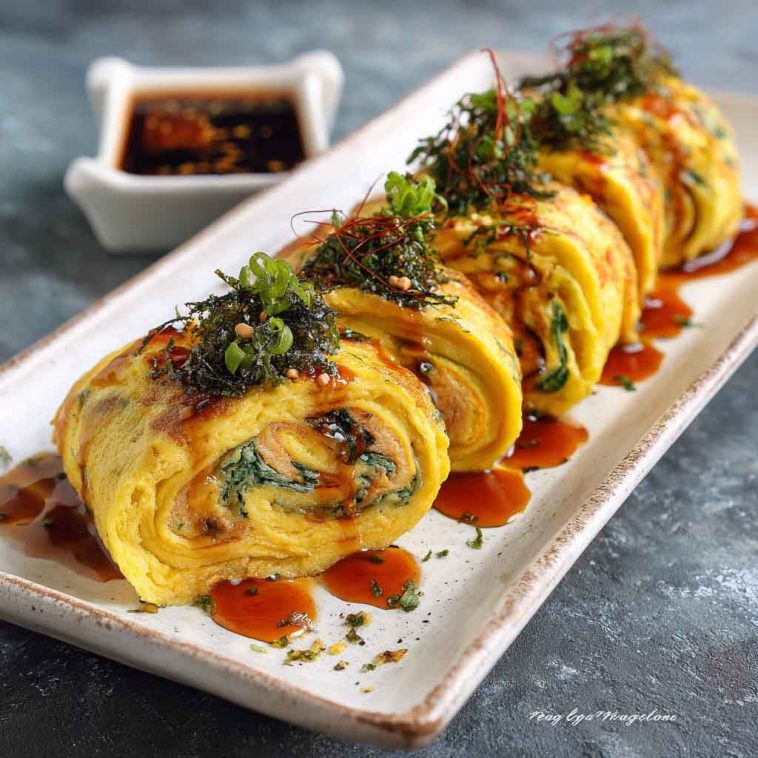
Warmly introduce Gyeran Mari, highlighting its status as a beloved Korean banchan (side dish). Emphasize its unique rolled, fluffy texture and savory flavor that make it a favorite both in Korea and internationally. Briefly mention the article will explore its history, recipe, tips, variations, and FAQs.
What is Gyeran Mari?
Define Gyeran Mari literally (“gyeran” = egg, “mari” = roll). Describe its light, fluffy texture and mild savory flavor, typically appearing as a rolled omelette sliced into neat portions. Discuss its cultural role as a staple banchan, popular lunchbox item, and comfort food in Korean households. Compare it to other rolled egg dishes like Japanese tamagoyaki to give readers global context.
Key Ingredients of Gyeran Mari
-
Eggs: Freshness and size influence texture and flavor.
-
Vegetables: Typical additions include finely chopped carrots, scallions, bell peppers, and onions for crunch and color.
-
Seasonings: Salt and pepper are essential; sugar or soy sauce can be added for a subtle depth.
-
Optional extras: Cheese, ham, seaweed flakes, mushrooms enhance flavor and texture.
-
Oil: Sesame oil or vegetable oil, noting how each affects aroma and taste.
Step-by-Step Recipe for Classic Gyeran Mari
-
Prepare vegetables: wash, chop, and sauté lightly if needed.
-
Beat eggs thoroughly and season properly.
-
Cooking: Use a rectangular pan (or regular non-stick if unavailable). Pour thin egg layers and cook gently.
-
Rolling: Demonstrate how to roll the omelette carefully in layers to maintain fluffiness and avoid cracking.
-
Final cooking: Return rolled omelette to the pan briefly to firm up.
-
Resting and slicing: Let it rest for a moist texture, then slice evenly.
-
Serving suggestions: plating tips and recommended dipping sauces.
Tips and Tricks for Perfect Gyeran Mari
-
Choosing the right pan: rectangular pans are ideal for rolling.
-
Temperature control: low to medium heat to prevent burning or dryness.
-
Rolling techniques: step-by-step, including using a chopstick or spatula for support.
-
How to avoid cracks and maintain even cooking.
-
Keeping omelette moist and fluffy: resting and reheating advice.
-
Storage tips for freshness.
Variations of Gyeran Mari
-
Cheese-filled rolls for creamy texture.
-
Seafood options: crab meat, shrimp for added flavor.
-
Kimchi version for spice lovers.
-
Vegetarian options with varied vegetables.
-
Fusion ideas: herbs and spices.
-
Vegan adaptations using chickpea flour or tofu as egg replacements.
How to Serve Gyeran Mari
-
Traditional banchan serving alongside rice and Korean main dishes.
-
As a convenient lunchbox (dosirak) item.
-
Pairings with bibimbap, bulgogi, or other Korean meals.
-
Presentation tips for special occasions or meal prepping.
Frequently Asked Questions (FAQs)
-
Best pan for Gyeran Mari?
-
Can it be made without a rectangular pan?
-
Preventing the omelette from breaking during rolling?
-
Can it be prepared in advance?
-
Is it a healthy dish?
-
Adding cheese or meat: yes or no?
-
How long can it be stored?
-
Recommended dipping sauces?
Conclusion
Summarize the simple, delicious appeal of Gyeran Mari as a Korean egg dish that’s easy to make and versatile. Encourage readers to try making it and to experiment with different variations. Invite feedback, tips, and photos from readers to foster community engagement.
Perfect Gyeran Mari – Korean Rolled Omelette Made Simple
Equipment
- Rectangular non-stick pan (preferred) or regular non-stick skillet
- Mixing bowl
- Whisk or fork
- Spatula or chopstick for rolling
- Knife for slicing
Ingredients
- 4 large eggs
- 1/4 cup finely chopped carrots
- 2 tbsp finely chopped scallions
- 2 tbsp finely chopped bell peppers (optional)
- Salt, to taste
- Black pepper, to taste
- 1 tsp sesame oil or vegetable oil (for cooking)
- Optional: 2 tbsp diced cheese, ham, or seaweed flakes
Instructions
- Prepare Vegetables: Wash and finely chop carrots, scallions, and bell peppers. Lightly sauté carrots and bell peppers if preferred for softer texture (optional).
- Beat Eggs: Crack eggs into a bowl, add salt and pepper, then whisk until fully combined and slightly frothy.
- Add Vegetables: Mix chopped vegetables (and optional cheese or ham) evenly into the beaten eggs.
- Heat Pan: Preheat a rectangular or non-stick skillet over low-medium heat and lightly oil it.
- Cook and Roll: Pour a thin layer of egg mixture into the pan, tilting to spread evenly. When mostly set but still slightly wet on top, gently roll the egg from one end to the other using a spatula or chopstick. Push rolled egg to one side of the pan.
- Repeat Layers: Add more oil if needed, pour another thin layer of egg mixture. Lift rolled egg slightly to let new egg layer flow underneath. When the new layer is set, roll the first roll back over it. Repeat until all egg mixture is used.
- Finish and Slice: Cook the rolled omelette for an additional minute to firm up. Remove from pan and let rest for 2-3 minutes. Slice into bite-sized pieces.
- Serve: Plate slices with dipping sauces such as soy sauce or gochujang mayo.
Notes
- Use fresh, room temperature eggs for best fluffiness.
- Keep heat low to avoid burning and ensure even cooking.
- Rolling can be tricky at first — use a chopstick or small spatula to support the roll.
- Store leftovers in an airtight container in the fridge up to 2 days; reheat gently to maintain texture.
- Customize with your favorite veggies or proteins like crab, shrimp, or kimchi for variations.
- For vegan options, try chickpea flour batter or tofu-based recipes.