

 Laura Mariano
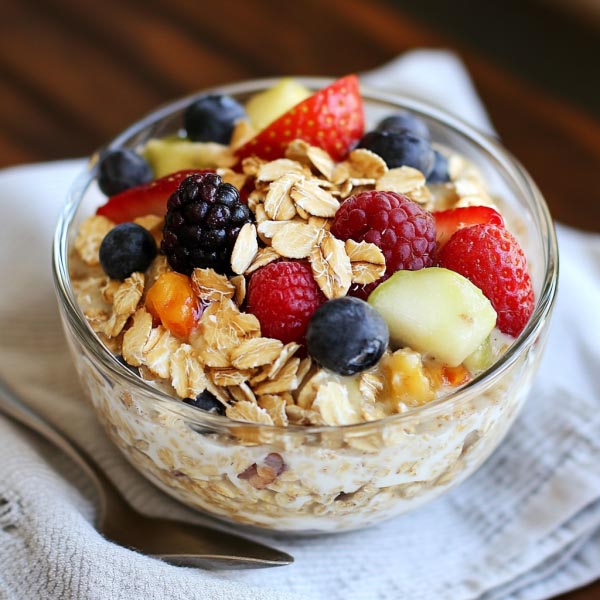
Introduction to Overnight Oats
Overnight oats are the ultimate grab-and-go breakfast, combining convenience with nutrition. Instead of cooking, oats are soaked in liquid overnight, creating a creamy, ready-to-eat meal by morning. This method saves time, requires no stove, and delivers a wholesome breakfast that’s perfect for busy mornings.
The appeal lies in their versatility. You can customize overnight oats with endless flavor combinations—fruits, nuts, seeds, spices, or sweeteners—making them nutrient-packed and exciting. They’re naturally filling thanks to fiber and complex carbs, and they provide sustained energy throughout the day.
Meal prep enthusiasts love overnight oats because they can be made in batches, stored in jars, and enjoyed all week. Whether you’re aiming for healthier eating, managing a busy schedule, or simply craving a creamy, satisfying breakfast, overnight oats are a simple solution that feels indulgent yet nourishing.
What Are Overnight Oats?
Overnight oats are a no-cook method of preparing oatmeal by soaking raw oats in liquid—such as milk, yogurt, or plant-based alternatives—overnight. The oats absorb the liquid, soften, and develop a creamy texture similar to cooked oatmeal, but with less effort.
Unlike traditional oatmeal, which requires stovetop or microwave cooking, overnight oats rely on time and refrigeration. This makes them ideal for meal prep, as you can prepare several servings at once and store them for days.
The concept has roots in Swiss “Bircher muesli,” a cold oat dish created in the early 1900s. In recent years, overnight oats have surged in popularity as a staple of modern healthy eating. Their rise is fueled by social media, where endless creative variations showcase their adaptability. Today, overnight oats are celebrated as a quick, customizable, and nutritious breakfast option for people of all lifestyles.
Nutritional Benefits
Overnight oats are packed with nutrients that support overall health. Oats themselves are rich in fiber, particularly beta-glucan, which promotes healthy digestion and helps regulate cholesterol levels. Their complex carbohydrates provide sustained energy, making them an excellent choice for mornings or pre-workout fuel.
Adding protein-rich ingredients like yogurt, milk, or plant-based alternatives enhances satiety and supports muscle repair. For those seeking extra protein, mix in nut butter, protein powder, or seeds. Overnight oats can easily be tailored to dietary needs—vegan, gluten-free, or high-protein—depending on the ingredients chosen.
They’re also a great source of vitamins and minerals, including iron, magnesium, and B vitamins. Incorporating fruits adds antioxidants, while nuts and seeds contribute healthy fats.
Tip: Boost nutrition further by adding chia seeds or flaxseeds. Both are excellent sources of omega-3 fatty acids, fiber, and plant-based protein, making your oats even more nutrient-dense.
Step-by-Step Preparation Guide
- Choose Your Oats: Rolled oats are best for overnight oats—they soften nicely without becoming mushy. Steel-cut oats require longer soaking and yield a chewier texture, while instant oats can become too soft.
- Select Your Liquid: Combine oats with dairy milk, almond milk, oat milk, or yogurt. Use about a 1:2 ratio (½ cup oats to 1 cup liquid).
- Sweeten: Add natural sweeteners like honey, maple syrup, or blended dates. Adjust to taste.
- Flavor Boosters: Stir in vanilla extract, cinnamon, cocoa powder, or nutmeg for depth. These small additions elevate the flavor.
- Mix Well: Stir thoroughly to ensure oats are evenly coated.
- Soak: Cover and refrigerate for at least 4 hours, ideally overnight. This allows oats to absorb liquid and soften.
- Add Toppings: In the morning, top with fresh fruit, nuts, seeds, or nut butter. Avoid adding toppings before refrigeration—they can become soggy.
- Portion Control: Use mason jars or airtight containers for easy storage and portability.
Pro Tip: Overnight oats taste even better after chilling for 8–12 hours. The flavors meld together, creating a creamy, cohesive breakfast that’s ready to grab and go.
Common Mistakes to Avoid
- Too Much Liquid: Adding excess milk or yogurt can make oats soupy. Stick to the 1:2 ratio.
- Not Stirring Before Refrigeration: If oats aren’t mixed well, they’ll absorb liquid unevenly, resulting in inconsistent texture.
- Adding Toppings Too Early: Fruits, nuts, and seeds can lose their crunch or freshness if added before soaking. Always add them just before serving.
- Skipping Chill Time: Overnight oats need at least 4 hours to soften. Eating them too soon leaves them chewy and underdeveloped.
- Over-Sweetening: Natural sweeteners are great, but too much can overwhelm the flavor. Balance sweetness with spices or fruit.
Tip: Always taste before serving. Adjust with a splash of milk, a sprinkle of cinnamon, or a drizzle of honey to achieve the perfect balance.
Overnight Oats Recipe – Healthy Make-Ahead Breakfast with Oats, Fruit & Seeds
Equipment
- Mason jars or airtight containers
- Measuring cups & spoons
- Mixing bowl & spoon
Ingredients
- 2 cups rolled oats
- 2 cups milk (dairy or plant-based)
- 1 cup yogurt (optional, for creaminess)
- 2 tbsp chia seeds or flaxseeds
- 2–3 tbsp honey or maple syrup
- 1 tsp vanilla extract
- 1 tsp cinnamon
- Toppings: fresh fruit, nuts, nut butter, seeds
Instructions
- Combine Base: In a mixing bowl, stir together oats, milk, yogurt (if using), chia seeds, sweetener, vanilla, and cinnamon.
- Portion: Divide mixture evenly into mason jars or containers.
- Chill: Cover and refrigerate for at least 4 hours, ideally overnight.
- Serve: In the morning, stir oats, add toppings like fruit, nuts, or nut butter, and enjoy cold or gently warmed.
Notes
- Oats: Rolled oats work best; instant oats can get mushy, steel-cut oats stay chewy.
- Sweeteners: Adjust honey or maple syrup to taste, or use dates for natural sweetness.
- Storage: Keeps up to 5 days in the fridge—perfect for weekly meal prep.
- Tip: Prep multiple jars with different flavors (chocolate, tropical, apple pie) for variety.
- Avoid freezing: Texture changes and oats lose creaminess.