

 Laura Mariano
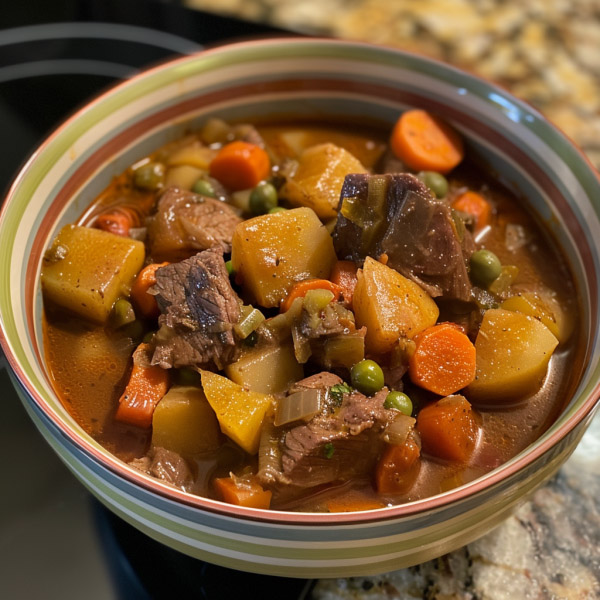
Introduction to Homemade Beef Stew
Few dishes embody comfort quite like a steaming bowl of homemade beef stew. Tender chunks of beef simmered slowly with hearty vegetables in a rich, savory broth create a meal that feels indulgent yet approachable. It’s the kind of dish that warms you from the inside out, perfect for family dinners or cozy evenings at home. With its rustic charm and nourishing qualities, beef stew is a timeless classic that brings people together around the table.
The Appeal of Classic Comfort Food
Comfort food is about warmth, satisfaction, and familiarity, and beef stew delivers all three. Its savory broth, tender beef, and hearty vegetables create a filling meal that feels both nourishing and indulgent. The balance of protein, starch, and vegetables makes it complete, while the slow cooking process develops deep, layered flavors.
Beef stew is ideal for family dinners, cold weather nights, or gatherings where you want to serve something hearty and satisfying. It’s versatile enough to adapt to different tastes—add more vegetables, adjust seasonings, or pair with bread or rice. Comfort food thrives on tradition, and beef stew is a dish that never goes out of style.
The History & Origins of Beef Stew
Stews have been part of culinary traditions across cultures for centuries. In Ireland, beef stew often features root vegetables and stout. French cuisine celebrates boeuf bourguignon, a wine-braised beef stew. In America, hearty beef stews became staples of home cooking, especially in colder regions.
Over time, beef stew evolved into countless variations, but the essence remained the same: slow-cooked beef and vegetables in a flavorful broth. Its timeless appeal lies in its simplicity and adaptability. Whether rustic or refined, beef stew continues to be a beloved dish worldwide.
Nutritional Notes
Beef stew offers both indulgence and nutrition:
- Beef: Provides protein, iron, and B vitamins.
- Vegetables: Carrots, potatoes, and celery add fiber, vitamins, and antioxidants.
- Broth: Supplies hydration and minerals.
For lighter versions, use lean beef cuts, reduce salt, and add extra vegetables. This makes the stew lower in fat but still hearty and flavorful.
Why This Recipe Works
This recipe succeeds because it balances savory beef with sweet carrots and earthy potatoes, all simmered in a rich broth. Slow cooking ensures tenderness and depth of flavor.
Tip: Always brown beef first—this caramelization adds complexity to the stew.
Step-by-Step Preparation Guide
Step 1: Choose Beef Cut Select chuck or brisket for tenderness after slow cooking.
Step 2: Brown Beef Heat oil in a large pot. Brown beef cubes on all sides to develop flavor.
Step 3: Sauté Aromatics Add onions, garlic, and celery. Cook until fragrant.
Step 4: Add Broth & Herbs Pour in beef broth. Add bay leaves, thyme, and rosemary.
Step 5: Add Vegetables Stir in carrots, potatoes, and any other desired vegetables.
Step 6: Simmer Reduce heat and simmer gently for 1.5–2 hours, until beef is tender.
Step 7: Adjust Seasoning Taste and adjust salt, pepper, or herbs as needed.
Expert Tip: Cook low and slow—this ensures tender beef and a rich, flavorful broth.

Homemade Beef Stew Recipe (Hearty & Easy Comfort Food)
Equipment
- Large Dutch oven or heavy pot
- Cutting board and knife
- Wooden spoon or spatula
- Measuring Cups and Spoons
Ingredients
- 2 lbs beef chuck, cut into cubes
- 3 tbsp vegetable oil
- 1 large onion, chopped
- 3 garlic cloves, minced
- 2 celery stalks, chopped
- 4 carrots, sliced
- 4 potatoes, cubed
- 4 cups beef broth
- 2 tbsp tomato paste
- 2 bay leaves
- 1 tsp dried thyme
- 1 tsp dried rosemary
- Salt and black pepper to taste
- Optional: ½ cup red wine for depth
Instructions
- Brown beef: Heat oil in a Dutch oven. Brown beef cubes on all sides, then set aside.
- Sauté aromatics: Add onion, garlic, and celery. Cook until softened.
- Add broth & flavorings: Stir in tomato paste, broth, bay leaves, thyme, and rosemary. Return beef to pot.
- Simmer: Cover and cook on low heat for 1.5–2 hours until beef is tender.
- Add vegetables: Stir in carrots and potatoes. Simmer for another 30 minutes until vegetables are tender.
- Adjust seasoning: Taste and add salt, pepper, or herbs as needed.
- Serve: Ladle into bowls and garnish with fresh parsley if desired.
Notes
- Chuck roast is ideal for tenderness after slow cooking.
- Add peas or mushrooms for extra flavor and nutrition.
- For a thicker stew, mash some potatoes into the broth or add a cornstarch slurry.
- Stew tastes even better the next day as flavors meld.
- Freezes well—store in airtight containers for up to 3 months.