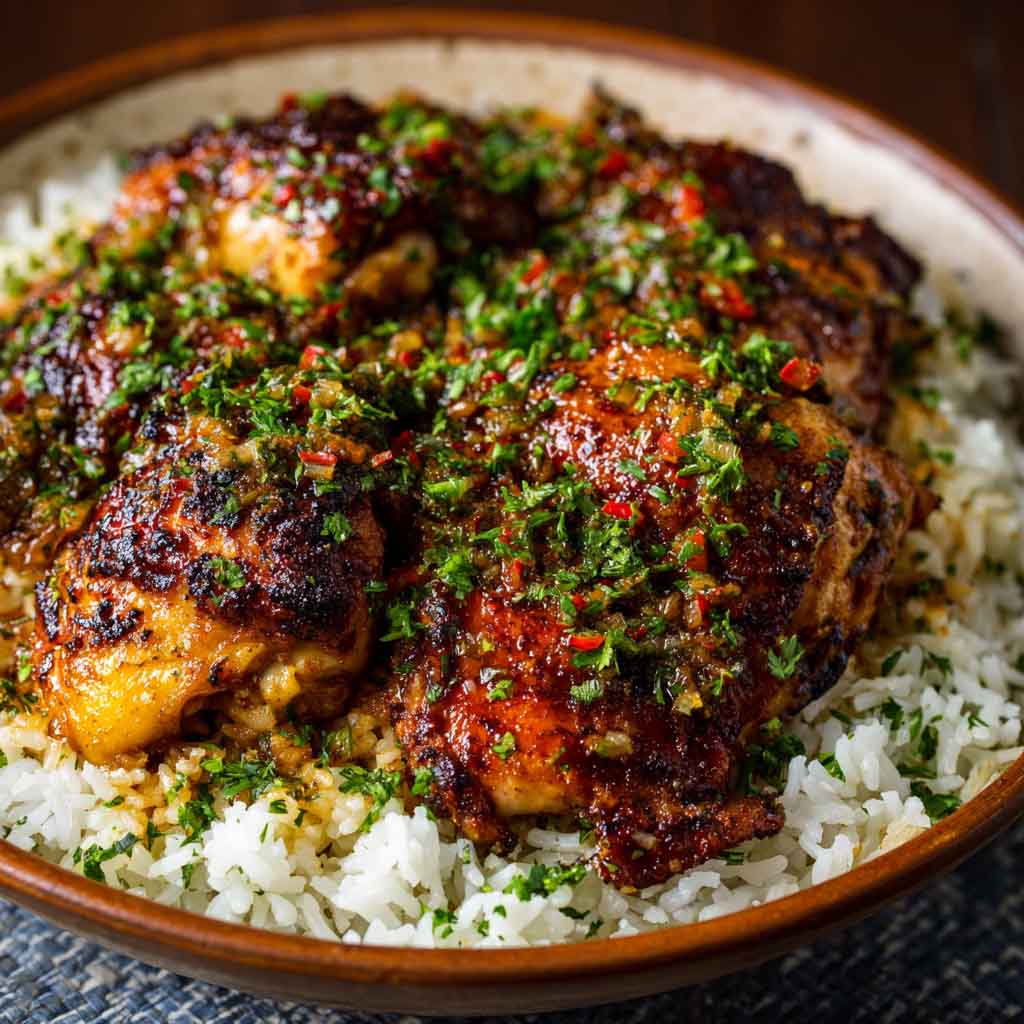
Introduction to Galinhada
Galinhada is one of Brazil’s most beloved comfort foods—a hearty one-pot dish of chicken and rice simmered with turmeric, vegetables, and herbs. It’s colorful, aromatic, and deeply satisfying, yet approachable enough for home cooks. Traditionally served at family gatherings and festive occasions, Galinhada embodies the warmth and hospitality of Brazilian cuisine. The golden hue from turmeric, the tender chicken, and the fluffy rice make it both visually appealing and nourishing. Whether you’re cooking for a crowd or preparing a cozy dinner, Galinhada delivers a balance of flavor and comfort that feels indulgent but is surprisingly easy to achieve.
The Appeal of Brazilian Comfort Food
Brazilian comfort food is all about heartiness, color, and flavor. Galinhada captures these qualities perfectly. The dish combines lean protein from chicken, the satisfying starch of rice, and the freshness of vegetables, all tied together with aromatic spices. The turmeric not only gives the rice its golden color but also adds a subtle earthiness that makes the dish distinctive.
It’s the kind of meal that brings people together. Served family-style, Galinhada is ideal for celebrations, Sunday lunches, or casual gatherings. It’s filling without being heavy, and its one-pot preparation makes it practical for busy cooks. The combination of savory chicken, fluffy rice, and bright herbs creates a dish that feels both festive and comforting. In Brazilian homes, Galinhada is more than food—it’s a tradition that evokes warmth, togetherness, and joy.
The History & Origins of Galinhada
Galinhada has roots in the central Brazilian states of Goiás and Minas Gerais. Historically, it was prepared by Portuguese bandeirantes (explorers) who combined local ingredients with European cooking techniques. Traditionally, hens were used instead of young chickens, giving the dish a richer flavor.
Over time, Galinhada became associated with Holy Saturday, when families gathered to break their fast with a celebratory meal. Today, it’s enjoyed year-round, often as a centerpiece for festive occasions. Regional variations exist—some versions include saffron for extra color, while others add peas or corn for sweetness.
The enduring popularity of Galinhada reflects Brazil’s culinary heritage: a blend of indigenous, Portuguese, and African influences. It’s a dish that honors tradition while remaining adaptable to modern kitchens, making it a timeless favorite across generations.
Nutritional Notes
Galinhada is hearty but also nutritionally balanced:
- Chicken: Provides lean protein, iron, and essential amino acids.
- Rice: Supplies carbohydrates for energy and satiety.
- Vegetables: Onions, peppers, and tomatoes add vitamins, fiber, and antioxidants.
- Turmeric: Offers anti-inflammatory properties and antioxidants.
For lighter versions, use skinless chicken breast instead of thighs, brown rice for added fiber, and reduce oil. Adding extra vegetables like carrots or peas boosts nutritional value and color. Galinhada can be indulgent, but with small adjustments, it fits easily into a balanced diet.
Why This Recipe Works
Galinhada succeeds because it balances savory chicken, fluffy rice, and aromatic spices in one pot. The turmeric gives depth and color, while the vegetables add freshness. Cooking everything together allows flavors to meld beautifully, creating a dish that’s greater than the sum of its parts.
Tip: Sear chicken first to deepen flavor and create a rich base for the rice.
Step-by-Step Preparation Guide
Step 1: Marinate Chicken Season chicken pieces with lime juice, garlic, salt, and pepper. Let sit for at least 30 minutes to absorb flavor.
Step 2: Sear Chicken Heat oil in a large pot. Sear chicken until golden brown, rendering fat and building flavor. Remove and set aside.
Step 3: Sauté Vegetables In the same pot, sauté onion, garlic, bell peppers, and tomatoes until softened and fragrant.
Step 4: Add Rice & Spices Stir in rice, turmeric, and bay leaves. Toast briefly to coat grains with flavor.
Step 5: Add Broth & Chicken Return chicken to the pot. Pour in chicken broth, ensuring rice is submerged. Simmer gently until rice is tender and liquid absorbed.
Step 6: Finish with Vegetables & Herbs Add peas and chopped parsley. Stir gently to combine.
Step 7: Rest & Serve Let Galinhada rest for 5–10 minutes before serving. Garnish with fresh parsley and lime wedges.
Expert Tip: Resting allows rice to finish absorbing flavors and prevents excess moisture.
Galinhada (Brazilian Chicken and Rice) Recipe – Easy One-Pot Meal

Galinhada is a traditional Brazilian chicken and rice dish packed with bold, comforting flavors. Made with tender chicken, seasoned rice, and aromatic spices, this one-pot meal is both hearty and satisfying. It’s easy to prepare and perfect for family dinners, bringing a taste of Brazil right to your table.
- Large pot or Dutch oven
- Cutting board and knife
- Mixing bowls
- Wooden spoon or spatula
- Measuring Cups and Spoons
- 2 lbs chicken pieces (legs, thighs, or breast)
- Juice of 2 limes
- 3 cloves garlic, minced
- 1 onion, chopped
- 2 tbsp cooking oil
- 1 red bell pepper, diced
- 2 tomatoes, chopped
- 2 cups long-grain rice
- 4 cups chicken broth
- 1 tsp turmeric powder
- 2 bay leaves
- 1 cup peas (fresh or frozen)
- Fresh parsley or cilantro for garnish
- Salt and pepper to taste
Marinate chicken: Season with lime juice, garlic, salt, and pepper. Let sit for 30 minutes.
Sear chicken: Heat oil in a large pot. Brown chicken pieces until golden. Remove and set aside.
Sauté vegetables: In the same pot, cook onion, bell pepper, and tomatoes until softened.
Add rice & spices: Stir in rice, turmeric, and bay leaves. Toast briefly to coat grains.
Combine with broth & chicken: Return chicken to pot. Add broth, cover, and simmer until rice is tender and liquid absorbed (about 30 minutes).
Finish with peas & herbs: Stir in peas and garnish with fresh parsley or cilantro.
Rest & serve: Let Galinhada rest for 10 minutes before serving to allow flavors to meld.
Expert Tip: Always sear chicken first—this builds a rich flavor base for the rice.
Use skinless chicken for a lighter version.
Brown rice can be substituted but requires longer cooking.
Add saffron for a festive twist.
For extra vegetables, include carrots or corn.
Leftovers can be refrigerated for 3–4 days or frozen for up to 1 month.



Be First to Comment