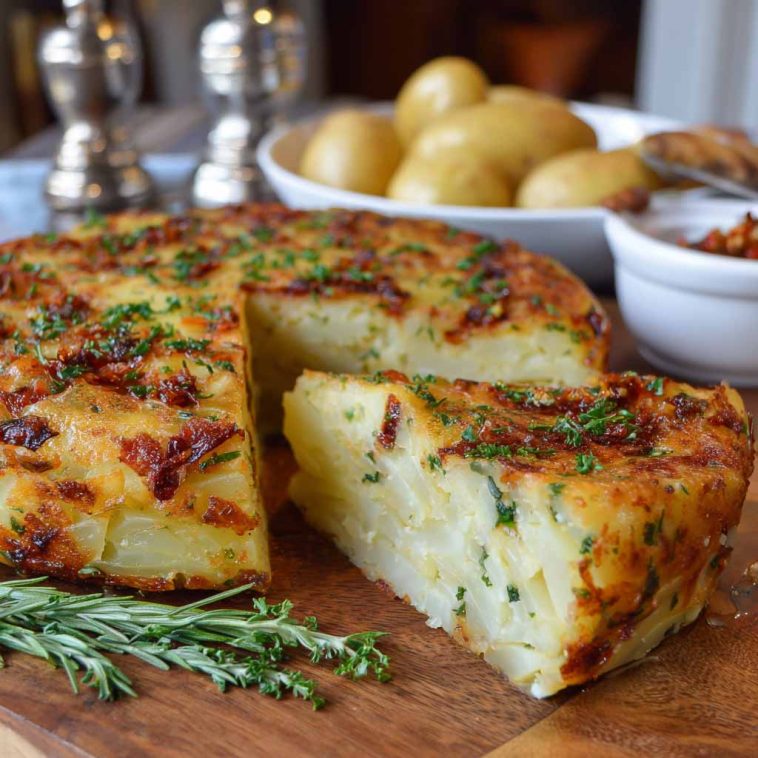
What Is a Savory German Potato Cake?
Savory German potato cakes are a classic comfort dish that has delighted families for generations. Known by names like Kartoffelkuchen, Potthucke, or simply potato pancakes, these cakes come in many shapes and textures, but all share the same comforting appeal: golden, crispy exteriors with soft, tender interiors.
The term “potato cake” in Germany can overlap with Reibekuchen or Kartoffelpuffer, which are thin, pan-fried potato pancakes, and Potthucke, a baked loaf-style potato cake often enriched with onions, bacon, or herbs. Despite regional differences, the unifying factor is the humble potato transformed into something hearty and delicious.
Perfect for brunch, family meals, or cozy dinners on chilly evenings, these potato cakes are versatile enough to pair with sour cream, applesauce, smoked salmon, or a simple salad. They’re a dish that bridges tradition and modern cooking, allowing you to enjoy authentic flavors without hours in the kitchen. With simple ingredients and straightforward techniques, this recipe captures the essence of German potato cakes, bringing a touch of European comfort to your table.
History & Origin of German Potato Cakes
German potato cakes have a rich history rooted in regional traditions. Across Germany, different areas have their own versions: the Rhineland favors thin, crisp potato pancakes known as Reibekuchen or Kartoffelpuffer, while Westphalia often serves Potthucke, a baked potato loaf that’s hearty and dense.
These dishes have long been a staple in German households, valued for their simplicity and ability to stretch modest ingredients into satisfying meals. Historically, potato cakes were a practical dish for winter months, providing warmth and sustenance when fresh vegetables were scarce. Today, they are celebrated at Christmas markets, served piping hot with applesauce, or as part of a comforting family meal.
Fun fact: the variety of names — Reibekuchen, Kartoffelpuffer, Potthucke — not only reflects regional dialects but also subtle differences in preparation and texture. Whether fried in butter for crisp edges or baked for a softer, loaf-style cake, German potato cakes remain a beloved culinary tradition, connecting modern cooks to centuries of hearty, home-style cooking.
Why This Recipe Works (The Basics Explained)
What makes a potato cake irresistible is the perfect balance of crispiness and tender interior. This recipe achieves that with simple ingredients — potatoes, eggs, aromatics, and binders — pulled together for maximum flavor with minimal fuss.
Texture is key. Traditional recipes vary between grated potatoes, which give a light, airy cake with crispy edges, and mashed potatoes, which yield a soft, dense result. Our easy version bridges both worlds: partially mashed potatoes for structure, combined with a few grated for crunch, giving the best of both textures.
The technique matters more than complicated steps. Removing excess moisture from potatoes prevents sogginess, while gentle folding ensures the cakes hold together without becoming dense. Light seasoning and the addition of aromatics like onions or herbs elevate simple ingredients into a deeply flavorful dish.
By focusing on these fundamentals, this recipe works reliably every time. You’ll get cakes that are golden brown, with slightly caramelized edges and a soft, flavorful center. Whether pan-fried for a crispy finish or baked for a lighter touch, the method ensures consistently satisfying results that honor the tradition of German potato cakes while being approachable for modern kitchens.
Ingredients You’ll Need (High‑Level Overview)
The foundation of a savory German potato cake is potatoes, preferably starchy varieties like Russets or Yukon Golds, which provide structure and a light, fluffy interior. Eggs act as a binder, holding the cakes together while contributing richness. Aromatics like onions, garlic, or chives add depth and savory complexity.
Binders such as flour or breadcrumbs help maintain form, particularly when frying, and can be adjusted to achieve the desired texture. Salt and pepper are essential for seasoning, but herbs such as parsley, thyme, or dill can be added for brightness and nuance.
Optional add-ins allow you to tailor the cakes to your taste: crispy bacon, caramelized onions, or shredded cheese can all elevate the dish. The beauty of potato cakes lies in their adaptability; a simple base of potatoes and eggs can transform into a personalized comfort food masterpiece.
Understanding the role of each ingredient ensures that whether you’re making a traditional Reibekuchen, a loaf-style Potthucke, or a hybrid modern version, your cakes will have crispy edges, tender interiors, and deep, satisfying flavor every time.
Step‑by‑Step Recipe Method (Easy Savory German Potato Cake)
Step 1 – Prepare Potatoes
Peel potatoes (optional) and grate or mash as desired. For extra crispiness, grate a portion and partially mash the rest.
Step 2 – Remove Excess Moisture
Place grated potatoes in a clean kitchen towel and squeeze out as much liquid as possible. This step prevents soggy cakes and promotes golden edges.
Step 3 – Mix Ingredients
In a large bowl, combine potatoes with eggs, a binder like flour or breadcrumbs, and aromatics such as grated onion or minced herbs. Season with salt and pepper. Fold gently to combine, being careful not to overwork the mixture.
Step 4 – Heat Pan or Prepare Oven
For pan-fried cakes, heat a nonstick skillet over medium heat with a bit of oil or butter. For baked cakes, preheat oven to 375°F (190°C) and lightly grease a baking sheet.
Step 5 – Form Cakes
Scoop portions of the potato mixture and shape into rounds or patties. Ensure uniform thickness for even cooking.
Step 6 – Cook
-
Pan-Fried: Cook 3–4 minutes per side until golden brown and crispy.
-
Baked: Arrange on the baking sheet and bake 25–30 minutes, flipping halfway through for even browning.
Step 7 – Serve
Transfer to a plate lined with paper towels if fried. Serve warm with sour cream, applesauce, or a simple green salad.
Tips for Modern Kitchens:
-
Use a food processor to speed up grating.
-
Prepare larger batches and freeze portions for future meals.
-
Garnish with fresh herbs or a sprinkle of cheese to elevate presentation.
Pro Tips for Perfect Results (Expert Tips)
-
Best Potatoes: Starchy potatoes like Russets or Yukon Golds yield the lightest, fluffiest interior.
-
Crispy Edges: Remove as much moisture as possible and use medium-high heat for pan-frying.
-
Salt Timing: Season potatoes early to draw out moisture, then adjust before cooking.
-
Avoid Mushy Cakes: Don’t overmix; gentle folding preserves texture.
-
Pan or Oven Choice: Nonstick skillet or well-greased baking sheet ensures even browning.
-
Optional Flavor Boosts: Caramelized onions, crispy bacon, or fresh herbs add depth without complicating the base recipe.
Following these tips ensures golden, flavorful cakes with a perfect balance of crispiness and tenderness, capturing the essence of traditional German potato cakes while making them accessible to modern home cooks.


 Laura Mariano