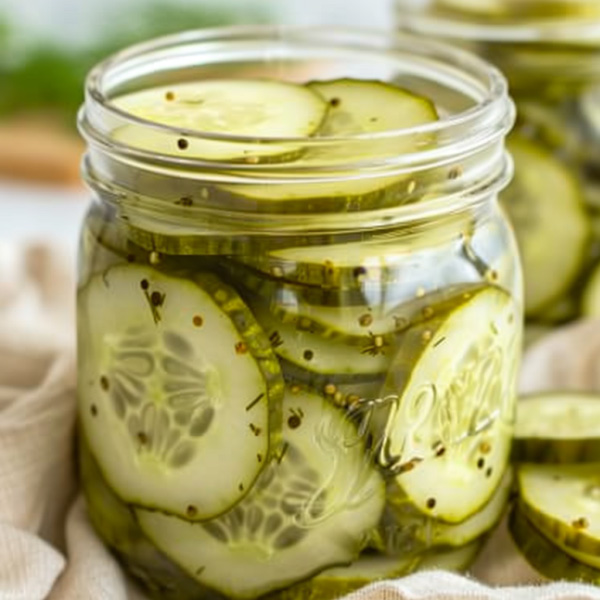
Homemade Dill Pickles: Crunch, Tang, and Freshness in Every Bite
There’s something magical about biting into a homemade dill pickle—the crisp snap, the tangy rush of vinegar, and the earthy aroma of fresh dill. Store‑bought jars can’t compete with the freshness and flavor control you get when making them yourself. From adjusting the garlic to dialing up the spice, homemade pickles let you craft the perfect balance for your taste buds. Beyond flavor, there’s the satisfaction of opening a jar you prepared with care, knowing exactly what went into it. Homemade dill pickles aren’t just food; they’re a sensory experience and a tradition worth savoring.
What Makes Dill Pickles Special?
Dill pickles stand apart from other varieties like bread‑and‑butter or sweet pickles. While those lean toward sugary or tangy‑sweet profiles, dill pickles are defined by their savory, herbaceous punch. The dill herb itself is the star, imparting a grassy, slightly anise‑like flavor that pairs beautifully with garlic and vinegar.
Unlike sweeter pickles, dill versions are versatile—they’re the go‑to choice for burgers, sandwiches, and salads. Their briny tang cuts through richness, while their crunch adds texture. Sliced dill pickles can elevate a simple grilled cheese, brighten potato salad, or serve as a refreshing snack straight from the jar.
This balance of sharpness, freshness, and crunch makes dill pickles a staple in American kitchens and beyond.
The Science of Pickling
Pickling works in two main ways: quick pickling and fermentation. Quick pickling relies on vinegar, salt, and seasonings to infuse cucumbers with flavor rapidly, while fermentation uses natural bacteria to create lactic acid, producing deeper complexity.
In dill pickles, vinegar provides acidity, salt enhances flavor, and dill infuses herbal notes. Garlic adds pungency, while spices like mustard seed or peppercorns round out the profile. Acidity is crucial—not only for taste but also for preservation and safety.
Maintaining crispness is a common challenge. Tips include using firm cucumbers, adding grape leaves or tannin‑rich tea leaves to jars, and avoiding overcooking during sterilization.
Choosing the Right Cucumbers
Not all cucumbers are created equal for pickling. Kirby cucumbers are the gold standard—small, firm, and bumpy‑skinned, they hold crunch beautifully. Persian cucumbers are another excellent choice, offering thin skins and tender flesh. Pickling cucumbers, often sold seasonally, are bred specifically for this purpose.
Size and firmness matter: smaller cucumbers pickle faster and stay crisp, while larger ones risk becoming mushy. Always choose fresh, seasonal cucumbers—ideally from a farmer’s market or garden—for the best results.
Essential Tools & Equipment
To make dill pickles, you’ll need mason jars with tight‑fitting lids, a funnel for clean filling, and tongs for handling hot jars. Sterilization is key—boil jars and lids before use to prevent contamination.
For storage, quick pickles can be kept in the fridge, while properly canned pickles can be stored in the pantry for months. The right tools ensure safety, flavor, and longevity.
Easy Homemade Dill Pickles (Sliced) Recipe | Crunchy & Tangy
Learn how to make homemade sliced dill pickles that are crisp, tangy, and full of garlic and dill flavor. Easy recipe with simple ingredients—no canning required!
- Mason jars with lids
- Funnel
- Tongs
- Saucepan (for brine)
- Cutting board and knife
- 2 lbs Kirby or Persian cucumbers
- 4 cups water
- 2 cups white vinegar
- 3 tbsp kosher salt
- 4 garlic cloves, peeled
- 1 bunch fresh dill
- 2 tsp mustard seeds (optional)
- 1 tsp black peppercorns
- Red pepper flakes (optional, for spice)
Sterilize Jars: Boil jars and lids for 10 minutes.
Prep Cucumbers: Wash and slice into spears or chips.
Make Brine: In saucepan, combine water, vinegar, and salt. Bring to a boil, then cool slightly.
Pack Jars: Add dill, garlic, and spices to jars. Pack cucumbers tightly.
Add Brine: Pour warm brine over cucumbers, leaving ½ inch headspace. Seal jars.
Pickle: Refrigerate for 24 hours for quick pickles, or leave at room temperature for 1–2 weeks for fermentation.
Serve: Enjoy chilled, straight from the jar or as a garnish.
Tip: For extra crispness, use firm cucumbers and avoid pouring boiling brine directly over them.
Kirby cucumbers are best for crunch; Persian cucumbers work well too.
Fresh dill gives the most flavor; dried dill can be used if necessary.
Quick pickles must be refrigerated; fermented pickles can be shelf‑stable if properly canned.
Add grape leaves or a pinch of black tea leaves to jars to help maintain crispness.
Store quick pickles up to 3 weeks in fridge; fermented pickles up to 6 months in pantry.




Be First to Comment