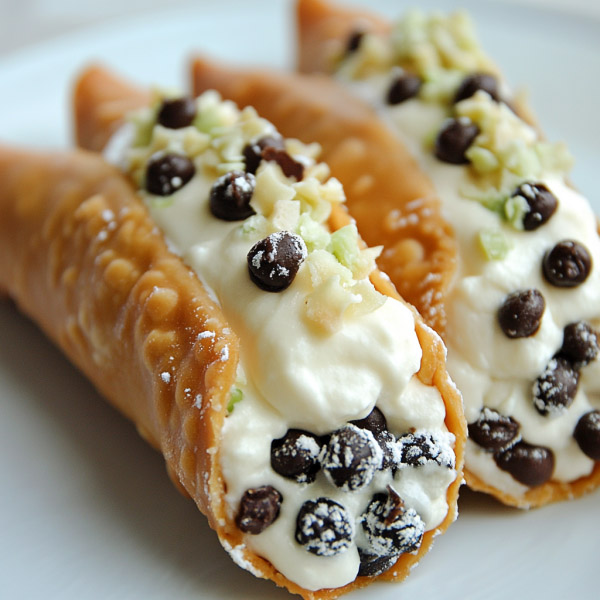
Introduction to Cannoli
Few desserts capture the spirit of Italian pastry like the cannoli. With their crisp, golden shells and creamy ricotta filling, cannoli are both elegant and comforting. They’re a symbol of Sicilian tradition, often enjoyed during festivals and celebrations, but now beloved worldwide. Making cannoli at home may seem intimidating, but with the right guidance, it’s surprisingly approachable. In this article, we’ll explore the history of cannoli, why they’re so irresistible, and how to prepare both shells and fillings step by step.
The Appeal of Cannoli
Cannoli are all about contrast: the crunch of the fried shell against the smooth, sweet filling. They’re versatile too—classic ricotta is the foundation, but you can fold in chocolate chips, pistachios, or citrus zest for variety.
Their appeal lies in their festive nature. Cannoli aren’t just desserts; they’re conversation pieces. A platter of cannoli instantly elevates any gathering, whether it’s a holiday dinner or a casual coffee with friends.
Tip: Always fill the shells just before serving. This keeps them crisp and prevents sogginess.
Origins & Inspiration
Cannoli trace their roots back to Sicily, where they were first made as a celebratory treat during Carnevale. The name itself comes from “canna,” meaning reed, referencing the traditional wooden tubes used to shape the shells.
Over time, cannoli became a staple of Sicilian pastry shops and spread globally through Italian immigrants. Today, they’re a hallmark of Italian-American bakeries, often decorated with colorful garnishes like candied fruit or chocolate.
Cannoli embody indulgence and tradition, making them a dessert that connects generations.
Nutritional Notes
Cannoli are indulgent, but they do offer some nutritional elements:
- Shells: Fried pastry, higher in calories and fat.
- Ricotta Filling: Provides protein and calcium.
- Add-ins: Nuts like pistachios add healthy fats; citrus zest adds vitamin C.
Balance is key. Cannoli are best enjoyed in moderation, but lighter versions exist—baked shells instead of fried, or reduced sugar in the filling.
Tip: Drain ricotta thoroughly to avoid watery filling and keep texture creamy.
Why Cannoli Recipes Work
Cannoli recipes succeed because they rely on simple, quality ingredients. The shells are crisp and neutral, allowing the filling to shine. Ricotta provides a mild base that pairs beautifully with sweet or nutty additions.
They’re also customizable—whether you prefer traditional ricotta or modern mascarpone, cannoli adapt easily.
Tip: Use fresh ricotta from a reputable source. The flavor difference is remarkable compared to pre-packaged versions.
Step-by-Step Preparation Guide
Step 1: Make the Shells Mix flour, sugar, and a touch of wine or vinegar for the dough. Roll thin, cut circles, and wrap around cannoli tubes. Fry until golden and crisp.
Step 2: Prepare the Filling Drain ricotta overnight. Mix with powdered sugar, vanilla, and optional chocolate chips, pistachios, or zest. Chill until firm.
Step 3: Assemble Pipe filling into cooled shells using a pastry bag. Fill from both ends for even distribution.
Step 4: Garnish Dip ends in chopped pistachios, mini chocolate chips, or candied fruit. Dust with powdered sugar.
Step 5: Serve Arrange on a platter and serve immediately for maximum crunch.
Expert Tip: Fry shells at the correct temperature (around 350°F/175°C). Too hot and they burn; too cool and they absorb excess oil.
Cannoli Recipe (Crispy Shells and Creamy Ricotta Filling)

Make this cannoli recipe with crispy shells and creamy ricotta filling. A classic Italian dessert perfect for holidays, parties, and homemade bakery-style treats.
- Mixing bowls
- Rolling Pin
- Cannoli tubes/forms
- Pastry cutter or round cutter
- Deep fryer or heavy-bottomed pot
- Pastry bag for piping filling
- Flour, sugar, salt (for shells)
- Butter or shortening
- Marsala wine or vinegar (traditional shell flavor)
- Ricotta cheese (drained)
- Powdered sugar
- Vanilla extract
- Optional add-ins: mini chocolate chips, pistachios, citrus zest
- Oil for frying
- Garnishes: powdered sugar, candied fruit, chopped nuts
Prepare Shell Dough: Mix flour, sugar, fat, and wine/vinegar. Knead until smooth. Rest dough for 30 minutes.
Shape Shells: Roll thin, cut circles, and wrap around cannoli tubes. Seal edges with egg wash.
Fry Shells: Fry at 350°F/175°C until golden. Drain on paper towels. Cool completely.
Make Filling: Drain ricotta overnight. Mix with powdered sugar and vanilla. Fold in chocolate chips, pistachios, or zest if desired. Chill until firm.
Assemble Cannoli: Pipe filling into cooled shells from both ends.
Garnish: Dip ends in nuts or chips, dust with powdered sugar.
Serve: Enjoy immediately for crisp shells and creamy filling.
Drain ricotta thoroughly to avoid watery filling.
Fry shells at the correct temperature to prevent burning or excess oil absorption.
Store shells and filling separately; assemble only when serving.
Baked shells are a lighter alternative but less traditional.
Garnishes like pistachios or candied fruit add flavor and visual appeal.
Cannoli are best enjoyed fresh—filled shells last only about 24 hours.


Be First to Comment