Title & Warm Introduction
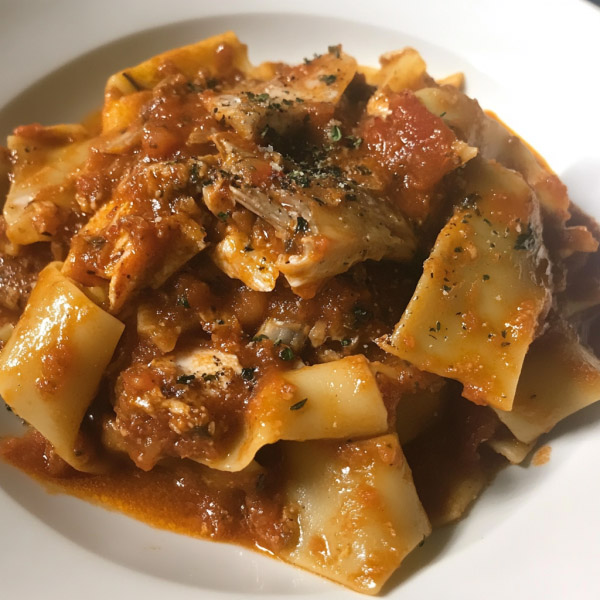
Introduce Calabrian Fish Ragu Pasta as a comforting yet sophisticated dish bursting with Southern Italian flavors. Paint a picture of tender white fish flakes swimming in a rich tomato ragu, spiced with fiery Calabrian chili, accented with aromatic garlic, fennel, and olive oil. Highlight the textural contrast provided by crunchy pangrattato and perfectly al dente long pasta. Set expectations for the article: readers will discover the flavor profile, ingredient tips, technique advice, step-by-step instructions, and FAQs. Emphasize that this is a dish that feels restaurant-quality but is achievable at home, blending tradition with approachable home cooking. Invite readers to explore how the sauce clings to the pasta, how to choose the right fish, and how to balance heat, acidity, and umami for a truly memorable meal.
What Exactly Is Calabrian Fish Ragu Pasta?
Define the dish: a vibrant pasta tossed with a tomato-based fish ragu, spiced with Calabrian chili, garlic, fennel, and aromatic herbs. Explain that the sauce is simmered gently to allow the flavors to meld while the fish remains tender. Highlight crunchy pangrattato sprinkled on top for textural contrast and visual appeal. Clarify that while inspired by Calabria’s robust coastal cuisine, this version is simplified for home cooks. Describe how the dish balances heat, umami, and fresh seafood flavors in every bite, making it ideal for weeknight dinners or entertaining. Mention that the article will provide variations, ingredient tips, and plating suggestions to help readers replicate this restaurant-style Southern Italian pasta at home.
The Origin & Culinary Roots
Discuss Calabria — Italy’s southern region famous for spicy, aromatic flavors and a long coastline that makes fish central to local cuisine. Explain the significance of Calabrian chili, olive oil, and simple, fresh ingredients in traditional dishes. Connect the pasta to its cultural roots, showing how seafood, herbs, and robust tomato sauces define the region’s culinary identity. Touch on how modern home cooks adapt these flavors into approachable dishes like fish ragu pasta, bridging classic Italian tradition with contemporary comfort-food sensibilities. Include a friendly note on how the dish evokes the sun-soaked coastlines and rustic kitchens of Calabria while remaining practical for everyday cooking.
Key Flavours in This Pasta
Break down the flavor profile:
-
Smoky paprika and fennel seeds — enhance depth and aroma.
-
Calabrian chili — adds a controlled heat that complements rather than overwhelms.
-
Bright tomato notes — from passata and tomato paste, balancing richness.
-
Tender fish flakes — provide natural umami and delicate flavor.
-
Garlic and olive oil — classic foundation for Southern Italian dishes.
-
Pangrattato — toasted breadcrumbs for crunch and visual contrast.
Explain how these flavors and textures work together to create a harmonious yet exciting dish, with each element adding a layer of depth, heat, or freshness. Include a tip about balancing chili spice with acidity for a rounded flavor.Choosing the Right FishDiscuss why firm white fish works best: cod, snapper, barramundi, or halibut. Explain that delicate or oily fish (like sole or mackerel) may break down too much or overpower the sauce. Include tips for handling frozen vs fresh fish, emphasizing proper thawing, patting dry for searing, and cutting into even pieces for consistent cooking. Highlight that the choice of fish affects texture, flavor, and sauce absorption, guiding readers to the best home-cooking results.
Why Long Pasta Works Best
Explain why long, flat pasta (linguine, spaghetti, fettuccine) is ideal: the strands wrap around and cling to the ragu, ensuring even flavor distribution. Contrast with short pasta, which may pool the sauce instead of coating each bite. Include a tip about reserving pasta water to loosen or bind the sauce for perfect coating. Encourage readers to consider pasta thickness and texture when pairing with a delicate fish ragu, reinforcing the practical impact of pasta choice on flavor and experience.
Step‑by‑Step Recipe Instructions
Walk readers through the recipe in a friendly, conversational style:
- Toast & Grind Spices: Toast fennel seeds, paprika, and chili lightly to release aromas, then grind for maximum flavor.
- Marinate Fish: Briefly toss fish in olive oil, a pinch of salt, and spices to build depth and prevent overcooking.
- Cook Pangrattato: Toast breadcrumbs in olive oil until golden brown; season lightly. Set aside.
- Boil Pasta: Cook pasta to al dente, reserving some pasta water to adjust sauce consistency.
- Build Ragu: Sauté garlic and onion in olive oil, add tomato paste, passata, and spices. Simmer gently, then fold in fish pieces until just cooked.
- Toss Pasta: Combine pasta with ragu, adding reserved pasta water as needed for smooth coating. Adjust seasoning.
- Final Touches & Plating: Serve with crunchy pangrattato, fresh herbs, and optional chili drizzle.
Include bold tips:
- Watch fish carefully to avoid overcooking; it should flake easily.
- Stir gently when folding in fish to preserve texture.
- Keep pangrattato crunchy by adding just before serving.
- Taste and adjust seasoning, especially chili heat and salt.


 Laura Mariano