

 Laura Mariano
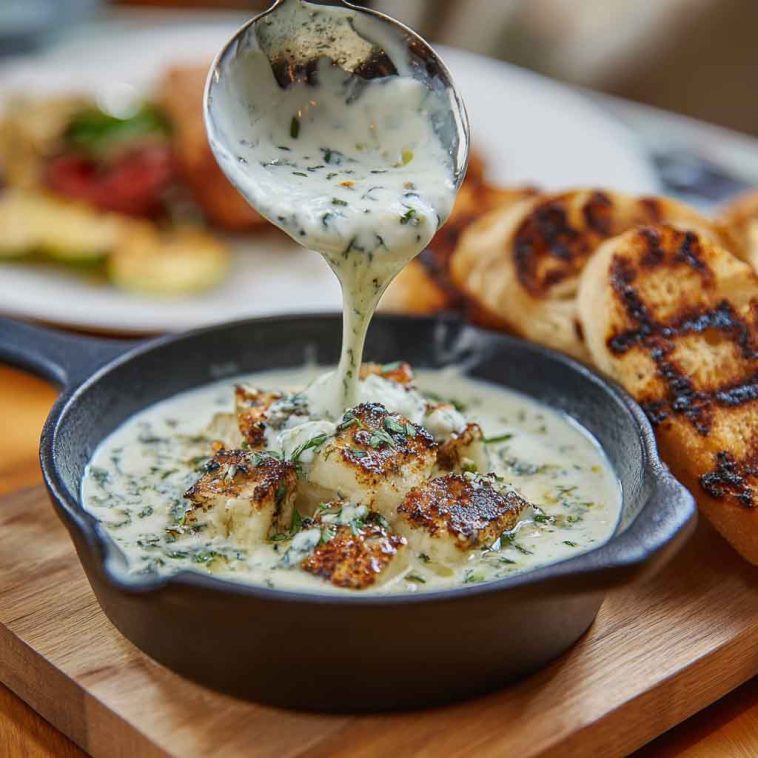
Why Blue Cheese Sauce Is a Flavor Powerhouse
Few condiments command attention quite like blue cheese sauce. Bold, creamy, tangy, and versatile, it’s the kind of sauce that transforms ordinary dishes into gourmet experiences. Whether drizzled over crisp salads, served as a dip for Buffalo wings, or spooned onto a perfectly grilled steak, blue cheese sauce delivers a punch of flavor that’s both indulgent and sophisticated.
Its appeal lies in the balance of richness and sharpness. The cream base provides smoothness, while the blue cheese adds a distinctive tang that awakens the palate. This duality makes it beloved in both casual and fine dining settings. It’s equally at home on a game-day platter as it is in a Michelin-starred kitchen.
In this article, you’ll learn what blue cheese sauce is, how it differs from other condiments, its history and rise in popularity, the flavor and texture profile, nutritional benefits, key ingredients with smart substitutions, and a step-by-step guide to making it perfectly every time. By the end, you’ll see why this sauce is a true flavor powerhouse.
What Is Blue Cheese Sauce?
Blue cheese sauce is a creamy condiment made by blending crumbled blue cheese with a dairy base such as sour cream, buttermilk, or heavy cream. The result is a rich, tangy sauce that can be tailored to different consistencies and uses.
It differs from blue cheese dressing, which is typically thinner and designed for salads, and from blue cheese dip, which is thicker and ideal for dunking wings or vegetables. Hot blue cheese sauce, on the other hand, is warmed and often served over meats or pasta, creating a luxurious coating.
Considered “gourmet” because of its bold flavor and association with specialty cheeses like Roquefort or Gorgonzola, blue cheese sauce elevates everyday meals. Its versatility makes it a staple in kitchens worldwide, bridging the gap between casual comfort food and refined dining.
The History & Popularity of Blue Cheese Sauce
Blue cheese itself has deep roots in European cuisine, with varieties like Roquefort from France, Gorgonzola from Italy, and Stilton from England dating back centuries. These cheeses were prized for their distinctive tang and complex flavor, making them natural candidates for sauces.
Blue cheese sauce gained widespread popularity in the United States during the rise of Buffalo wings in the 1960s and 1970s. The tangy, creamy sauce became the perfect cooling counterpart to spicy hot wings, cementing its place in American food culture.
Since then, chefs and home cooks have continued to reinvent blue cheese sauce. Some versions emphasize smoothness, while others highlight chunky textures. Flavor enhancers like garlic, mustard, or lemon juice have been added to create new dimensions. Today, it’s not just a wing dip—it’s used in gourmet burgers, steak toppers, pasta sauces, and even as a drizzle over roasted vegetables. Its adaptability ensures it remains a beloved condiment across cuisines.
Flavor & Texture Profile
Blue cheese sauce is defined by its bold flavor and creamy texture. The base—whether sour cream, buttermilk, or heavy cream—provides richness and smoothness. Into this, crumbled blue cheese adds sharp, tangy notes that awaken the palate.
Texture can vary depending on preference. A chunky sauce retains bits of cheese, offering bursts of flavor in each bite. A smooth sauce, achieved by blending thoroughly, delivers a consistent creaminess that coats food evenly.
The balance of richness and acidity is key. The cream tempers the intensity of the cheese, while additions like lemon juice or vinegar brighten the flavor. Garlic, mustard, or Worcestershire sauce can add depth, creating a complex profile that’s both indulgent and refreshing.
This harmony makes blue cheese sauce versatile: it can be bold enough to stand up to spicy wings yet refined enough to complement a steak or salad.
Nutritional Benefits & Considerations
Blue cheese sauce offers both nutritional benefits and considerations. On the positive side, blue cheese provides protein and calcium, supporting muscle and bone health. Aged varieties also contain probiotics, which promote gut health and digestion.
However, moderation is important. Blue cheese is high in fat and sodium, and when combined with cream bases, the sauce can become calorie-dense. For those watching their intake, portion control is key.
Pairing blue cheese sauce with fresh vegetables is a smart way to balance indulgence with nutrition. Carrot sticks, celery, or crisp salads provide fiber and vitamins, complementing the richness of the sauce.
Tip: Opt for lighter bases like Greek yogurt or reduced-fat sour cream to cut calories while maintaining flavor. This makes blue cheese sauce a treat that can fit into a balanced diet.
Key Ingredients & Smart Substitutions
The star of the sauce is blue cheese, with varieties like Roquefort, Gorgonzola, and Stilton offering distinct flavor profiles. Roquefort is sharp and tangy, Gorgonzola is milder and creamier, and Stilton is bold and earthy.
The cream base provides texture and richness. Sour cream adds tang, buttermilk offers lightness, and heavy cream delivers indulgence.
Flavor enhancers elevate the sauce. Garlic adds aroma, mustard introduces sharpness, lemon juice brightens, and Worcestershire sauce deepens umami.
Smart substitutions make the sauce adaptable. Greek yogurt can replace sour cream for added protein and reduced fat. Vegan cheese crumbles and plant-based milk create dairy-free versions. For those seeking extra tang, a splash of apple cider vinegar works well.
These ingredients and substitutions allow cooks to tailor blue cheese sauce to dietary needs and flavor preferences, ensuring it remains versatile and accessible.
Step-by-Step Cooking Process
Step 1: Crumble the cheese. Begin with high-quality blue cheese. Crumble it into small pieces to ensure even distribution.
Step 2: Prepare the base. In a bowl, combine sour cream, buttermilk, or heavy cream. Whisk until smooth.
Step 3: Blend. Add the crumbled cheese to the cream base. For a chunky texture, stir gently. For a smooth sauce, blend with a food processor or immersion blender until uniform.
Step 4: Adjust consistency. If the sauce is too thick, add milk or buttermilk gradually until desired texture is reached.
Step 5: Balance flavors. Stir in lemon juice, vinegar, or Worcestershire sauce to brighten and balance richness. Season with salt, pepper, and optional garlic or mustard. Taste and adjust.
Step 6: Rest. Cover and refrigerate the sauce for at least 30 minutes. This allows flavors to meld and deepen.
Step 7: Serve. Use as a dip for wings and vegetables, a dressing for salads, or a sauce for meats and pasta.
Expert tip: Letting the sauce rest is crucial. The flavors intensify, and the texture becomes smoother, making the final product more cohesive and delicious.
Blue Cheese Sauce Recipe | Easy Steak and Dip Sauce
Equipment
- Mixing bowl
- Whisk or fork
- Measuring cups & spoons
- Food processor or immersion blender (optional for smooth texture)
- Airtight container (for storage)
Ingredients
- ½ cup crumbled blue cheese (Roquefort, Gorgonzola, or Stilton)
- ½ cup sour cream or Greek yogurt
- ¼ cup buttermilk or milk (adjust for consistency)
- 2 tbsp mayonnaise or heavy cream (optional for richness)
- 1 tsp lemon juice or vinegar
- ½ tsp Worcestershire sauce (optional)
- Salt & black pepper to taste
- Optional: garlic powder, mustard, fresh herbs
Instructions
- Crumble blue cheese into a mixing bowl.
- Add sour cream (or yogurt), mayonnaise, and buttermilk. Whisk until combined.
- Stir in lemon juice, Worcestershire, and seasonings.
- For a chunky sauce, leave as is. For smooth texture, blend with a food processor.
- Taste and adjust acidity or salt.
- Cover and refrigerate for at least 30 minutes to allow flavors to meld.
- Serve chilled as a dip, dressing, or warm gently for steak sauce.
Notes
- Storage: Refrigerate in airtight container for 3–4 days; do not freeze.
- Variations: Add herbs, truffle oil, or swap yogurt for a lighter version.
- Tip: Always taste before serving—adjust acidity to balance richness.
- Pairings: Perfect with wings, burgers, fries, roasted vegetables, or salads.