

 Laura Mariano
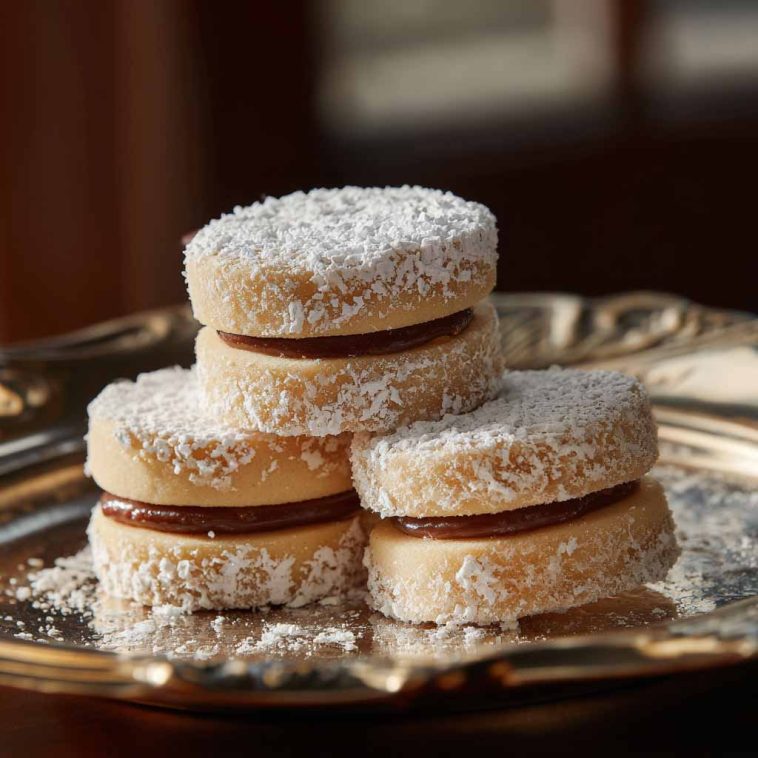
Introduction to Andalusian Alfajores
Welcome to the enchanting world of Andalusian Alfajores — a spiced honey-and-nut confection that has delighted generations across southern Spain. These traditional sweets, rich with almonds, hazelnuts, breadcrumbs, and aromatic spices, are bound together with golden honey and shaped into logs or rolls before being dusted with sugar or sesame seeds.
Cherished especially during Christmas and festive seasons, alfajores embody the warmth and generosity of Andalusian hospitality. Their unique blend of flavors — sweet, nutty, and gently spiced — makes them a celebratory treat that connects families and communities. Unlike their Latin American cousins, which are cookie sandwiches filled with dulce de leche, Andalusian alfajores are rustic, energy-rich confections rooted in Moorish culinary traditions.
In this guide, we’ll explore their fascinating history, traditional ingredients, and preparation techniques, helping you appreciate why these sweets remain a beloved symbol of Andalusian culture and festive joy.
Historical Roots & Moorish Influence
The origins of Andalusian Alfajores trace back to Al-Ándalus, the period of Moorish rule in the Iberian Peninsula from the 8th to the 15th centuries. Moorish culinary traditions emphasized the use of honey, nuts, and aromatic spices — ingredients that were abundant and prized in Arab cuisine. Alfajores, whose name derives from the Arabic “al-hasú” meaning “stuffed” or “filled,” reflect this influence in their composition and preparation.
Arab sweets such as nougat, halva, and nut-based confections inspired the creation of alfajores. Honey served as the primary sweetener, while almonds and hazelnuts provided richness and energy. Spices like cinnamon, cloves, and anise added depth and fragrance, making these treats both flavorful and celebratory.
As culinary traditions spread across Spain, alfajores became particularly associated with Andalusia, where they were prepared during festive seasons, especially Christmas. Their energy-rich composition made them ideal for sustaining families during winter celebrations.
The tradition eventually traveled to Latin America through Spanish colonization. There, alfajores evolved into a different form: delicate cookie sandwiches filled with dulce de leche, often coated in chocolate or powdered sugar. While distinct from the Andalusian version, they share the same festive symbolism and indulgent spirit.
Today, Andalusian Alfajores remain a cultural emblem, symbolizing the blending of Moorish and Spanish culinary heritage. They represent celebration, abundance, and the enduring legacy of Arab influence in Iberian gastronomy.
Traditional Ingredients & Flavor Profile
The hallmark of Andalusian Alfajores lies in their simple yet aromatic ingredients. Honey acts as the binding agent, lending natural sweetness and a glossy finish. Almonds and hazelnuts, finely ground, provide nutty richness and texture, while breadcrumbs add body and help absorb the honey.
Spices are essential: cinnamon offers warmth, cloves add depth, and anise contributes a subtle licorice-like note. Together, they create a fragrant blend that defines the alfajor’s unique flavor profile. Once shaped into logs or rolls, the sweets are dusted with sugar or sesame seeds, adding a final layer of texture and visual appeal.
The result is a confection that is chewy, nutty, and aromatic, with a balance of sweetness and spice that feels both rustic and refined.
Compared to Latin American alfajores — cookie sandwiches filled with dulce de leche — Andalusian Alfajores are denser and more robust, designed as festive energy-rich bites rather than delicate pastries. Both versions, however, share a celebratory spirit and remain beloved across cultures.
Step-by-Step Preparation Guide
- Prepare Nut and Spice Mixture:
- Toast almonds and hazelnuts lightly to enhance flavor.
- Grind them finely using a mortar and pestle for authenticity, or a food processor for convenience.
- Mix with breadcrumbs, cinnamon, cloves, and anise until well combined.
- Incorporate Honey for Binding:
- Warm honey gently over low heat to make it more pliable.
- Pour into the nut-spice mixture, stirring until a thick, sticky dough forms.
- Shape into Logs or Rolls:
- With lightly greased hands, shape the mixture into small logs or rolls.
- Press firmly to ensure the mixture holds together.
- Dust with Sugar or Sesame Seeds:
- Roll each alfajor in powdered sugar or sesame seeds for a decorative finish.
- This adds texture and enhances flavor.
- Resting Time:
- Place alfajores on a tray and allow them to rest for several hours, ideally overnight.
- This resting period allows flavors to meld and the texture to firm up.
- Serve:
- Present alfajores on festive platters, garnished with extra nuts or spices if desired.
Expert Tip: Allowing the mixture to rest overnight not only improves flavor but also ensures the alfajores hold their shape better when served.
Tools & Techniques for Authentic Results
To achieve authentic Andalusian Alfajores, traditional tools and careful techniques are key.
- Mortar and Pestle vs. Food Processor: Grinding nuts with a mortar and pestle yields a rustic texture and preserves oils, enhancing flavor. A food processor offers convenience but may produce a finer, less traditional consistency.
- Low Heat Handling of Honey: Honey should be warmed gently over low heat. Overheating can alter its flavor and make the mixture too runny, compromising texture.
- Proper Wrapping and Storage: Once prepared, alfajores should be wrapped in parchment or stored in airtight containers. This preserves freshness and prevents them from drying out. They can last several days, making them ideal for festive gatherings.
By respecting these techniques, you’ll capture the authentic essence of Andalusian Alfajores — a confection that celebrates tradition, flavor, and festive joy.
Andalusian Alfajores Recipe | Authentic Spanish Dessert Pastry Idea
Equipment
- Mortar and pestle (or food processor)
- Saucepan (for warming honey)
- Mixing bowls
- Wooden spoon or spatula
- Baking tray or platter
- Airtight container (for storage)
Ingredients
- 1 cup almonds (toasted)
- 1 cup hazelnuts (toasted)
- 1 cup breadcrumbs (fine, dry)
- 1 cup honey (high-quality, floral)
- 1 tsp ground cinnamon
- ½ tsp ground cloves
- 1 tsp ground anise seeds
- Powdered sugar or sesame seeds (for dusting)
Instructions
- Prepare Nuts: Toast almonds and hazelnuts lightly. Grind coarsely with mortar and pestle or food processor.
- Prepare Nuts: Toast almonds and hazelnuts lightly. Grind coarsely with mortar and pestle or food processor.
- Warm Honey: Heat honey gently over low heat until pliable. Avoid boiling.
- Combine: Pour warm honey into nut-spice mixture. Stir until thick, sticky dough forms.
- Shape: With greased hands, form mixture into small logs or rolls. Press firmly to hold shape.
- Dust: Roll alfajores in powdered sugar or sesame seeds for finish.
- Rest: Place on tray and allow to rest for 6–12 hours (overnight preferred) to meld flavors.
- Serve: Present on festive platters, garnished with nuts or cinnamon sticks.
- Expert Tip: Resting overnight enhances flavor and ensures firmer texture for neat serving.
Notes
- Honey handling: Warm gently; overheating alters flavor.
- Nut texture: Grind coarsely for authentic rustic bite.
- Spice balance: Adjust cinnamon, cloves, and anise carefully to avoid overpowering.
- Storage: Airtight container for up to 2 weeks; freeze individually wrapped for 2 months.
- Serving tradition: Pair with mantecados, turrón, tea, coffee, or dessert wines during Christmas.