

 Laura Mariano
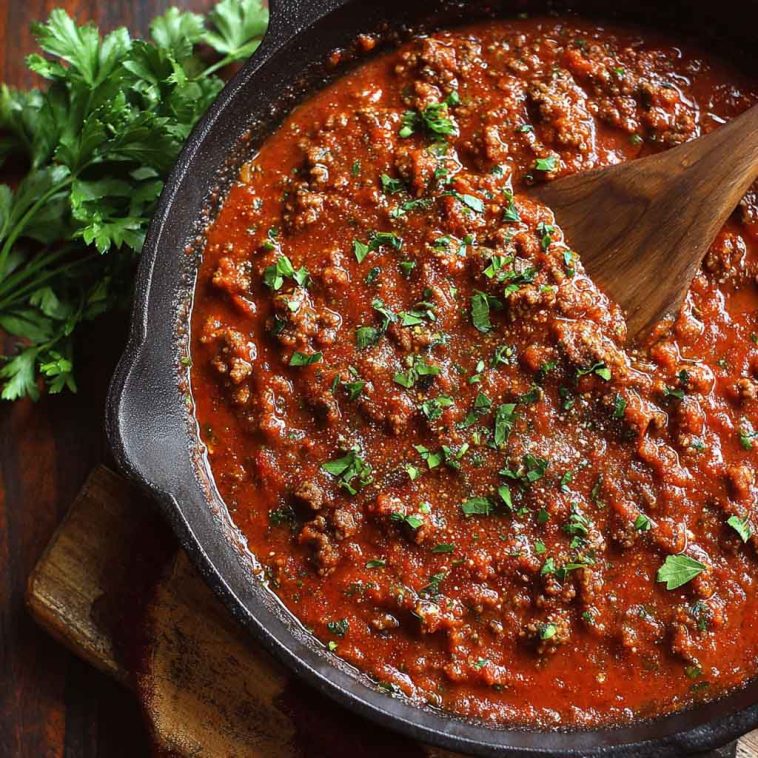
Italian Gravy Is More Than Just Sauce
Picture a pot simmering gently on the stove, filled with tomatoes, meats, and herbs melding together into a rich, aromatic sauce. For many Italian-American families, this isn’t just dinner — it’s tradition. Known as “gravy” rather than “sauce,” this dish represents Sunday gatherings, family bonds, and the art of slow cooking.
The term “gravy” is unique to Italian-Americans, especially in the Northeast. While Italians in Italy typically call it sugo or ragù, immigrants adapted the word “gravy” to describe their hearty, meat-laden tomato sauce. It distinguished the dish from lighter marinara and emphasized its richness.
In this guide, you’ll learn what Italian gravy is, how it differs from other sauces, and why it holds cultural significance. We’ll explore its flavor and texture profile, nutritional benefits, key ingredients, and smart substitutions. Finally, you’ll get a step-by-step cooking process to help you master this beloved tradition at home. Whether you’re cooking for family or recreating a nostalgic dish, Italian gravy proves that food can be both comforting and deeply meaningful.
What Is Italian Gravy?
Italian gravy is a slow-simmered tomato-based meat sauce, often cooked for hours to develop depth and richness. It typically includes sausage, beef, pork, or meatballs, combined with tomatoes, onions, garlic, and herbs.
Unlike marinara, which is a quick, meatless sauce made with tomatoes and herbs, Italian gravy is hearty and layered. The inclusion of multiple meats and the long cooking time create a robust flavor that clings beautifully to pasta.
Central to Italian-American cooking, gravy is more than a recipe — it’s a ritual. Families gather on Sundays to prepare and enjoy it together, often serving it with pasta, bread, and salad. Its versatility allows it to be used as a pasta sauce, sandwich filling, or base for other dishes, making it a cornerstone of Italian-American cuisine.
The History & Cultural Significance
Italian gravy traces its roots to Southern Italy, where ragù-style sauces were common. These sauces combined tomatoes with meats, simmered slowly to create hearty meals that could feed large families.
When Italian immigrants arrived in the United States in the early 20th century, they adapted their traditions to local ingredients and customs. In cities like New York and Philadelphia, the term “gravy” emerged, reflecting the sauce’s meat-heavy nature and distinguishing it from lighter tomato sauces.
Over time, Italian gravy became a Sunday staple. Families would gather, often after church, to share a meal centered around a pot of simmering gravy. It symbolized togetherness, hospitality, and the blending of old-world traditions with new-world life.
Today, Italian gravy remains a cultural touchstone. It’s featured in cookbooks, celebrated in Italian-American communities, and cherished as a dish that connects generations. More than food, it represents heritage, comfort, and the joy of gathering around the table.
Flavor & Texture Profile
Italian gravy is defined by its deep tomato richness, achieved through hours of simmering. The tomatoes break down into a velvety sauce, absorbing the flavors of the meats and herbs.
Layers of flavor come from the variety of meats — sausage adds spice, beef brings heartiness, and pork contributes richness. Meatballs often join the mix, offering tender bites that soak up the sauce. A splash of wine, red for depth or white for brightness, enhances complexity.
Aromatic herbs like basil, oregano, and garlic infuse the sauce with freshness and warmth. Bay leaves and Parmesan rind can add subtle undertones, creating a sauce that’s both savory and balanced.
The texture is thick and hearty, clinging to pasta and bread. Each bite delivers a combination of tender meat, silky sauce, and fragrant herbs, making Italian gravy both indulgent and comforting.
Nutritional Benefits & Comfort Factor
Italian gravy offers a mix of nutrition and indulgence. The meats provide protein, supporting muscle health and satiety. Tomatoes contribute lycopene, an antioxidant linked to heart health, as well as vitamin C. Garlic and herbs add additional nutrients and flavor without extra calories.
The comfort factor is undeniable. A steaming plate of pasta topped with gravy evokes feelings of warmth, family, and tradition. It’s hearty enough to satisfy, yet familiar enough to feel like home. Portion control ensures balance — a moderate serving delivers comfort without excess.
Pairing gravy with whole-grain pasta or vegetables can boost fiber and nutrition, making it a more wholesome meal. Ultimately, Italian gravy proves that comfort food can also be nourishing, offering joy and sustenance in equal measure.
Key Ingredients & Smart Substitutions
- Tomatoes: San Marzano tomatoes are prized for sweetness and low acidity. Canned crushed tomatoes are a convenient alternative.
- Meats: Traditional versions use sausage, beef, pork ribs, and meatballs. Each adds unique flavor and texture.
- Wine: Red wine deepens richness, while white wine adds brightness. Both enhance complexity.
- Herbs & Flavor Boosters: Basil, oregano, garlic, bay leaves, and Parmesan rind elevate flavor.
- Substitutions: Turkey sausage or chicken can lighten the dish. Plant-based meats or lentils create vegetarian versions. Sweet potatoes or mushrooms can add depth without meat.
Smart substitutions allow Italian gravy to adapt to dietary needs while preserving its essence. The key is balancing tomatoes, meats (or substitutes), and herbs to create a sauce that’s rich, layered, and satisfying.
Step-by-Step Cooking Process
- Brown the Meats: Heat olive oil in a large pot. Brown sausage, beef, and pork ribs until caramelized. Remove and set aside.
- Sauté Aromatics: In the same pot, sauté onions and garlic until fragrant and golden.
- Deglaze with Wine: Pour in red or white wine, scraping up browned bits from the bottom of the pot. This adds depth and complexity.
- Add Tomatoes & Herbs: Stir in crushed tomatoes, tomato paste, basil, oregano, bay leaves, and Parmesan rind. Season with salt and pepper.
- Return Meats: Add browned meats back to the pot. Stir gently to combine.
- Simmer Low & Slow: Reduce heat to low and simmer for 2–3 hours, stirring occasionally. The sauce will thicken and flavors will meld.
- Finish & Serve: Remove bay leaves and Parmesan rind. Adjust seasoning. Serve gravy over pasta, with bread, or as part of a larger meal.
Expert Tip: Low and slow cooking is essential. The longer the sauce simmers, the richer and more complex the flavor becomes.

Authentic Italian Gravy Recipe | Traditional Sunday Pasta Sauce Idea
Equipment
- Large heavy-bottomed pot or Dutch oven
- Wooden spoon
- Knife and cutting board
- Measuring Cups and Spoons
- Ladle
Ingredients
- 2 tbsp olive oil
- 1 lb Italian sausage (sweet or spicy)
- 1 lb beef short ribs or chuck
- 1 lb pork ribs or chops
- 1 batch meatballs (optional)
- 1 large onion, diced
- 6 garlic cloves, minced
- 1 cup red wine (or white for brightness)
- 2 cans (28 oz) crushed San Marzano tomatoes
- 2 tbsp tomato paste
- 2 bay leaves
- 1 Parmesan rind (optional)
- 1 tsp dried oregano
- 1 tsp dried basil
- Salt and black pepper to taste
- Fresh basil for garnish
Instructions
- Brown Meats: Heat olive oil in pot. Brown sausage, beef, and pork until caramelized. Remove and set aside.
- Sauté Aromatics: Add onion and garlic to pot. Cook until golden and fragrant.
- Deglaze: Pour in wine, scraping up browned bits. Let reduce slightly.
- Add Tomatoes & Herbs: Stir in crushed tomatoes, tomato paste, bay leaves, Parmesan rind, oregano, and basil. Season lightly.
- Return Meats: Place browned meats back into pot. Stir gently.
- Simmer Low & Slow: Reduce heat to low. Cover partially and simmer for 3–4 hours, stirring occasionally.
- Finish & Serve: Remove bay leaves and Parmesan rind. Adjust seasoning. Serve over pasta, polenta, or bread. Garnish with fresh basil.
- Expert Tip: Low and slow cooking builds depth. The longer it simmers, the richer the flavor.
Notes
- Don’t rush: Simmering for hours develops flavor.
- Quality tomatoes matter: Use San Marzano or high-quality canned.
- Variations: Add chili flakes for spice, mushrooms for vegetarian depth, or braciole for holidays.
- Storage: Refrigerate for 3–4 days or freeze for up to 3 months. Reheat gently on stovetop.
- Pairings: Best with rigatoni, spaghetti, gnocchi, or layered into lasagna.