

 Laura Mariano
Why Cabbage Soup Is a Classic Fat-Burning Recipe
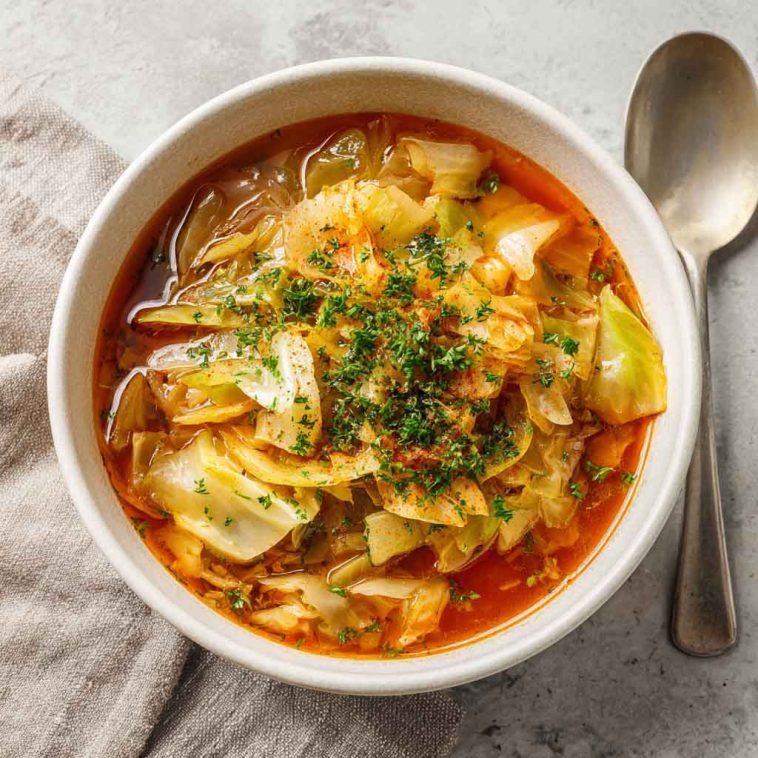
Few dishes are as cozy, nourishing, and enduring as cabbage soup. Warm, hearty, and linked to weight-loss trends, this humble recipe has stood the test of time as both comfort food and a go-to for those seeking lighter meals. Its reputation as a “fat-burning” soup comes from its low-calorie, high-fiber profile, making it filling without being heavy.
Cabbage soup has remained popular across decades because it’s simple, affordable, and adaptable. Whether enjoyed as part of a short-term diet plan or simply as a wholesome reset after indulgent meals, it continues to be embraced by families, health-conscious eaters, and anyone craving a light yet satisfying dish.
In this article, you’ll learn what cabbage fat-burning soup is, how it differs from regular vegetable soup, the history of its popularity, its flavor and texture profile, nutritional benefits, key ingredients with smart substitutions, and a step-by-step cooking process. By the end, you’ll understand why cabbage soup is more than just a diet trend—it’s a timeless recipe that blends nourishment with comfort.
What Is Cabbage Fat Burning Soup?
Cabbage fat-burning soup is a simple, vegetable-based dish designed to be low in calories yet high in nutrients. Unlike regular vegetable soup, which often includes starchy ingredients like potatoes or grains, cabbage soup focuses on non-starchy vegetables that keep the calorie count low while maximizing fiber and hydration.
Its purpose is twofold: to provide a nourishing, filling meal and to support short-term weight-loss efforts. Many versions of the “cabbage soup diet” encourage eating unlimited amounts of this soup for several days, relying on its lightness to create a calorie deficit.
While it differs from traditional vegetable soups in its simplicity and lack of heavy ingredients, cabbage soup remains versatile. It can be seasoned with herbs, spices, and broth to enhance flavor, making it a practical option for busy individuals who want a quick, healthy, and satisfying meal.
The History & Popularity of the Cabbage Soup Diet
The cabbage soup diet rose to prominence in the 1980s and 1990s, during a period when quick-fix weight-loss plans were especially popular. Promoted as a “detox” or rapid slimming method, the diet encouraged followers to consume large amounts of cabbage soup alongside specific food groups over a seven-day period.
Its appeal lay in its simplicity: no complicated recipes, no expensive ingredients, and no calorie counting. The promise of losing several pounds in a week made it a staple in diet culture, especially among those seeking short-term results before events or holidays.
Despite criticism from nutritionists who cautioned against restrictive diets, cabbage soup remained a household name. Social media and food blogs later revived its popularity, reframing it as a “reset” meal rather than a strict diet. Today, it’s still embraced by people looking for a light, cleansing dish after indulgent periods, proving that its blend of tradition, affordability, and perceived health benefits continues to resonate.
Flavor & Texture Profile
Cabbage soup offers a flavor profile that is earthy, bright, and balanced. The cabbage provides a mild, slightly sweet base, while tomatoes add acidity and depth. Bell peppers contribute a touch of sweetness, and celery lends freshness. Garlic and herbs round out the flavor, creating a savory broth that feels both hearty and light.
The texture is equally appealing. The broth is thin yet flavorful, while the vegetables remain tender but not mushy. Unlike creamy soups, cabbage soup has a clean consistency that feels refreshing. It’s hearty enough to satisfy hunger but light enough to avoid heaviness, making it ideal for those seeking comfort without excess.
Nutritional Benefits of Cabbage Soup
Cabbage soup is celebrated for its nutritional profile. At its core, it’s low in calories yet high in fiber, which promotes satiety and supports digestion. This makes it an excellent choice for those aiming to reduce calorie intake without feeling deprived.
Cabbage itself is rich in vitamins C and K, both essential for immune health and bone strength. The soup also provides antioxidants that help combat inflammation and support overall wellness. Tomatoes add lycopene, a powerful antioxidant, while carrots and peppers contribute beta-carotene and vitamin A.
Another benefit is hydration. With its broth base and water-rich vegetables, cabbage soup helps maintain fluid balance, which is particularly useful after indulgent meals or during detox periods.
The combination of fiber, vitamins, and hydration makes cabbage soup a smart option for resetting the body. While it shouldn’t replace balanced meals long-term, it works well as a short-term aid or a nourishing addition to a healthy diet.
Key Ingredients & Smart Substitutions
The star of cabbage soup is, of course, cabbage. Its mild flavor and high fiber content make it the foundation of the dish. Supporting vegetables include carrots for sweetness, celery for freshness, bell peppers for brightness, and tomatoes for acidity. Together, they create a balanced flavor profile.
Flavor enhancers are essential. Garlic, onions, herbs like parsley or thyme, and spices such as paprika or black pepper elevate the soup from simple to satisfying.
Substitutions allow flexibility. Zucchini, kale, or spinach can be added for variety or extra nutrients. For those seeking more protein, beans, shredded chicken, or tofu can be incorporated without compromising the soup’s lightness.
The beauty of cabbage soup lies in its adaptability. Whether you stick to the classic version or experiment with substitutions, the result is always nourishing and flavorful.
Step-by-Step Cooking Process
Making cabbage soup is straightforward but benefits from a few key techniques.
Step 1: Sauté aromatics. Begin by heating a little olive oil in a large pot. Add onions, garlic, and celery, sautéing until fragrant. This builds the flavor base.
Step 2: Add vegetables. Stir in chopped cabbage, carrots, bell peppers, and tomatoes. Allow them to cook briefly to release flavor.
Step 3: Add broth. Pour in vegetable or chicken broth, ensuring the vegetables are covered. Season with herbs and spices such as thyme, parsley, paprika, and black pepper.
Step 4: Simmer. Bring the soup to a boil, then reduce to a gentle simmer. Cook for 20–30 minutes, until the vegetables are tender but not mushy.
Step 5: Adjust texture. For a chunky soup, leave as is. For a smoother version, blend part of the soup with an immersion blender and return it to the pot.
Step 6: Serve. Ladle into bowls and garnish with fresh herbs or a squeeze of lemon juice for brightness.
Expert tip: Avoid overcooking the cabbage. Prolonged boiling can strip nutrients and make the texture mushy. Aim for tender-crisp cabbage that retains both flavor and nutritional value.
With these steps, you’ll have a nourishing, flavorful cabbage soup that’s light, satisfying, and perfect for any occasion.

Best Cabbage Fat Burning Soup Recipe | Healthy Weight Loss Soup
Equipment
- Large soup pot or Dutch oven
- Cutting board & knife
- Wooden spoon or ladle
- Measuring cups & spoons
- Airtight containers (for storage)
Ingredients
- 1 medium head of cabbage, chopped
- 2 carrots, sliced
- 2 celery stalks, chopped
- 1 bell pepper, diced
- 1 onion, chopped
- 3 garlic cloves, minced
- 4 cups vegetable or chicken broth
- 2 cups diced tomatoes (canned or fresh)
- 1 tsp dried oregano
- 1 tsp paprika
- Salt & pepper to taste
- Optional add-ins: zucchini, spinach, kale, beans, shredded chicken, tofu
Instructions
- Heat a tablespoon of olive oil in a large pot.
- Sauté onion, garlic, and celery until fragrant.
- Add carrots, bell pepper, and cabbage. Stir for 5 minutes.
- Pour in broth and tomatoes. Add oregano, paprika, salt, and pepper.
- Bring to a boil, then reduce to a simmer. Cook for 20–25 minutes until vegetables are tender.
- Taste and adjust seasoning. Add lemon juice or hot sauce for brightness.
- Serve hot, garnished with parsley.
Notes
- Storage: Refrigerate in airtight containers for 4–5 days or freeze up to 2 months.
- Reheating: Warm gently on the stovetop; avoid microwaving for best texture.
- Variations: Try spicy chili flakes, Mediterranean oregano & olives, or Asian-inspired ginger & soy.
- Tip: Don’t overcook cabbage—retain nutrients and texture.