
What Is Dragon Sauce?
Welcome to the fiery, flavorful world of Dragon Sauce—a condiment that’s as bold as its name suggests. I first discovered it while hunting for something to jazz up my grain bowls, and it quickly became a fridge staple. One spoonful and I was hooked: it’s spicy, tangy, and umami-rich, with a complexity that makes even plain rice taste gourmet.
Dragon Sauce is trending for good reason. It’s versatile, vegan-friendly, and packed with flavor that punches far above its calorie count. Whether you drizzle it over roasted veggies, stir it into noodles, or use it as a dipping sauce, it instantly elevates everyday meals.
In this guide, you’ll learn where Dragon Sauce comes from, how to make it, and why it’s become a cult favorite among plant-based eaters and flavor chasers alike. Ready to breathe fire into your cooking routine?
Origins & Cultural Influence
Dragon Sauce draws inspiration from Asian culinary traditions, blending ingredients like tamari, miso, sesame oil, and garlic into a deeply savory, slightly sweet, and spicy condiment. Its roots are loosely tied to Japanese and Korean flavor profiles, though it’s not tied to one specific cuisine.
It gained popularity in vegan and vegetarian circles, especially thanks to places like Aux Vivres in Montreal, whose iconic Dragon Bowl features a creamy, garlicky version of the sauce. From there, it spread across blogs, cookbooks, and health-conscious kitchens.
Variations abound:
- Korean Red Dragon Sauce leans heavily on gochujang and chili
- Trader Joe’s Green Dragon Hot Sauce adds jalapeño and cilantro for a fresh kick
Each version reflects local tastes, but the core idea remains: a bold, adaptable sauce that brings depth and excitement to simple dishes.
Key Ingredients & Flavor Notes
At its heart, Dragon Sauce is a balance of savory, spicy, tangy, and sweet. The base typically includes:
- Garlic and ginger for aromatic punch
- Tamari or soy sauce for salty umami
- Rice vinegar or apple cider vinegar for acidity
- Maple syrup or honey for sweetness
- Sesame oil for nutty richness
For heat, you can add:
- Chili flakes for a dry burn
- Sriracha for smooth spice
- Jalapeño puree for fresh heat
Texture-wise, Dragon Sauce can be smooth and pourable or chunky and spoonable, depending on how it’s made. Some versions are blended raw, while others are gently simmered to mellow the garlic and meld flavors.
Bold tip: Add nutritional yeast for a cheesy, savory depth—especially useful in vegan versions. It boosts umami and adds B vitamins, making the sauce even more nutritious and satisfying.
How to Make Dragon Sauce
Method 1: Blended (Raw)
Combine all ingredients in a blender or food processor:
- ¼ cup tamari or soy sauce
- 2 tbsp rice vinegar
- 2 tbsp maple syrup
- 1 tbsp sesame oil
- 2 garlic cloves
- 1-inch piece of ginger
- 1 tbsp nutritional yeast (optional)
- Chili flakes or sriracha to taste
Blend until smooth. Taste and adjust—more vinegar for tang, more syrup for sweetness, more chili for heat.
Method 2: Simmered
Sauté garlic and ginger in sesame oil until fragrant. Add tamari, vinegar, sweetener, and spices. Simmer for 5 minutes, then cool and blend if desired.
Flavor Tweaks
- Add lime juice for brightness
- Use miso paste for deeper umami
- Try tahini for creaminess
Let the sauce rest for 30 minutes before using—this allows flavors to meld and mellow.
Storage
Store in an airtight container in the fridge. It keeps for 3–5 days, though the flavor may intensify over time.
Bold tip: Always taste and tweak. Dragon Sauce is endlessly customizable—make it your own based on what you’re serving or craving.
Nutritional Benefits
Dragon Sauce isn’t just flavorful—it’s also a smart choice for health-conscious eaters. Most versions are:
- Vegan
- Gluten-free (if using tamari)
- Dairy-free
Thanks to nutritional yeast, it’s often high in B vitamins, especially B12—crucial for plant-based diets. The sauce is also low in calories but rich in flavor, making it a great way to add excitement without excess fat or sugar.
It’s a favorite in clean eating circles because it’s made from whole, recognizable ingredients. No preservatives, no mystery additives—just bold, natural flavor.
Bold tip: Keep a jar on hand to instantly upgrade grain bowls, salads, wraps, and roasted veggies. It’s a small addition with a big impact.
Dragon Sauce – Fiery, Flavorful & Ready in Minutes!
Unleash the heat with this irresistible Dragon Sauce! A perfect blend of ginger, garlic, soy sauce, vinegar, and a touch of sweetness, this sauce delivers bold flavor in every drop. Ideal as a dipping sauce, marinade, or drizzle over roasted veggies, noodles, or tofu. Quick to make, vegan-friendly, and packed with umami, this spicy-sweet condiment is your new kitchen essential. Make a batch in minutes and keep it on hand to spice up any meal!
- Blender or food processor (for raw version)
- Small saucepan (for simmered version)
- Whisk
- Measuring spoons and cups
- Airtight jar or container
Base Ingredients:
- ¼ cup tamari or soy sauce
- 2 tbsp rice vinegar or apple cider vinegar
- 2 tbsp maple syrup or honey
- 1 tbsp sesame oil
- 2 garlic cloves, minced
- 1-inch piece fresh ginger, grated
- 1 tbsp nutritional yeast (optional but recommended)
- ½ tsp chili flakes or 1 tsp sriracha (adjust to taste)
Optional Add-ins:
- 1 tsp miso paste
- 1 tsp lime juice
- ½ tsp tomato paste
- 1 tsp sesame seeds
Method 1: Blended (Raw)
Add all ingredients to a blender or food processor.
Blend until smooth.
Taste and adjust: more vinegar for tang, more syrup for sweetness, more chili for heat.
Let sit for 30 minutes before serving to allow flavors to meld.
Store in an airtight container in the fridge for up to 5 days.
Method 2: Simmered (Optional)
Sauté garlic and ginger in sesame oil until fragrant.
Add tamari, vinegar, sweetener, and spices.
Simmer gently for 5 minutes.
Cool and blend if desired for a smoother texture.
Store and use as above.
For a thicker sauce, add a cornstarch slurry and simmer until glossy.
Freeze leftovers in ice cube trays for quick single-use portions.
Avoid freezing if using fresh herbs or citrus—these can turn bitter.
Label jars with date and spice level for easy tracking.
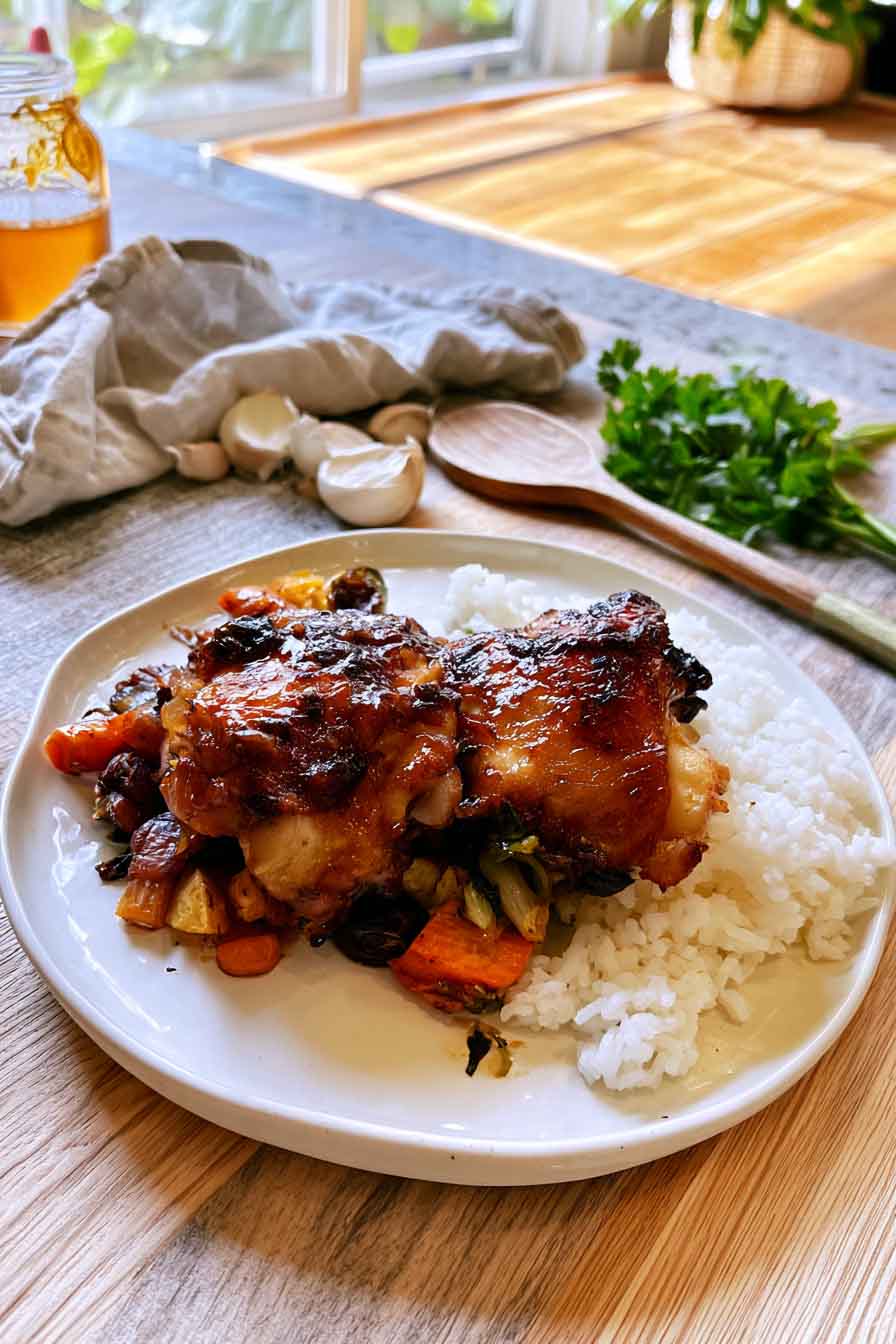
Great on veggie burgers, roasted potatoes, grain bowls, and stir-fries.
Nutritional yeast adds cheesy depth and B vitamins—ideal for plant-based diets.







Be First to Comment