
A Frosting You Can Feel Good About
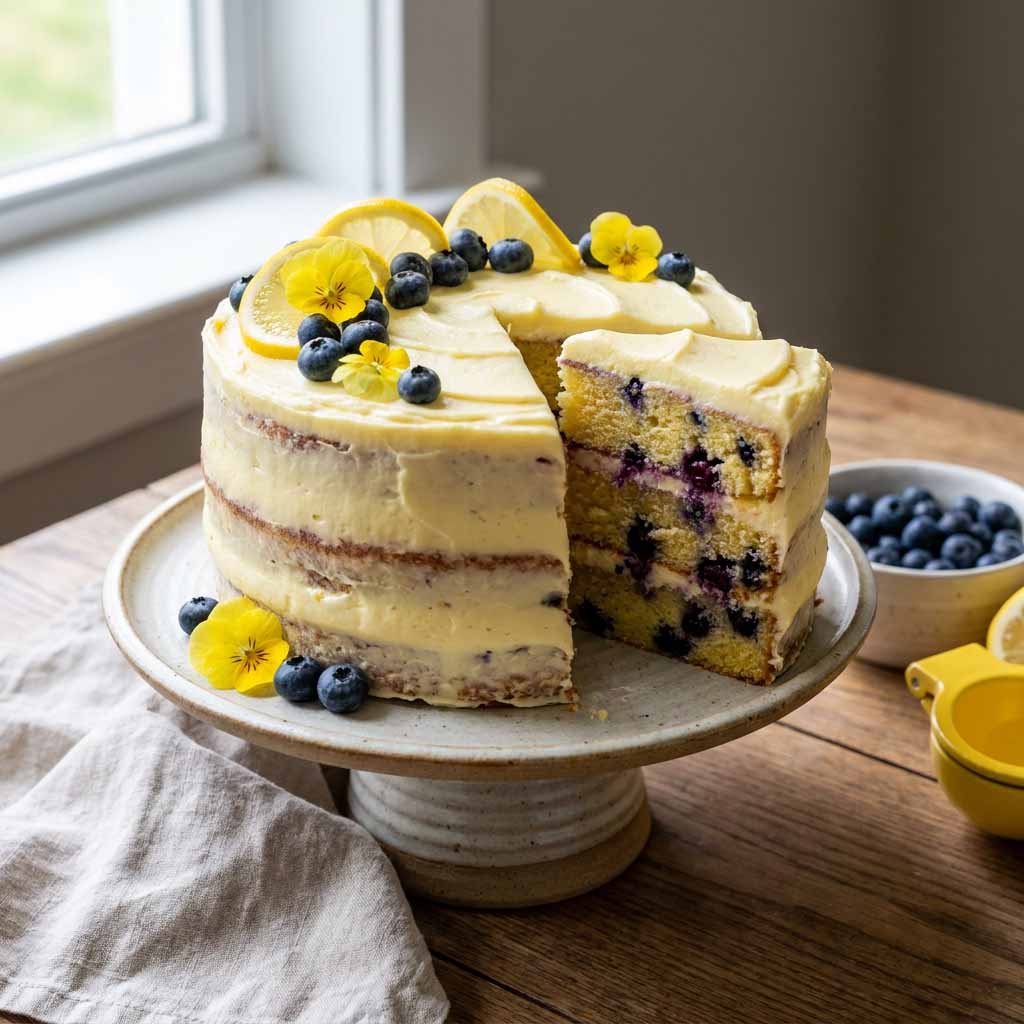
It was a sunny spring afternoon when I first swapped buttercream for Greek yogurt frosting. I wanted something lighter for my lemon cupcakes—something that wouldn’t leave me in a sugar coma. The result? A tangy, creamy topping that felt indulgent but refreshingly light.
Greek yogurt frosting is a smart alternative to traditional buttercream. It’s lower in fat, higher in protein, and offers a subtle tang that pairs beautifully with fruit-forward or spiced cakes. Plus, it’s incredibly versatile—easy to flavor, pipe, and customize.
In this guide, you’ll learn how to make Greek yogurt frosting from scratch, choose the best ingredients, and adapt it to suit your taste and dietary needs. Whether you’re baking for a celebration or just want a healthier treat, this frosting delivers flavor and texture without the guilt.
What Is Greek Yogurt Frosting?
Greek yogurt frosting is a creamy, tangy topping made by blending thick Greek yogurt with sweeteners and flavorings. Its texture is smooth and spreadable—similar to whipped cream cheese—but with a lighter mouthfeel and a refreshing zing.
Compared to buttercream, it’s far less rich and sugary. It lacks the dense, buttery base but makes up for it with a clean, bright flavor. Versus cream cheese frosting, it’s less heavy and more protein-packed. And unlike whipped frostings, it holds its shape better when chilled.
This frosting is ideal for health-conscious bakers who want a balance between indulgence and nutrition. It’s perfect for topping muffins, carrot cake, banana bread, or even pancakes. Plus, it’s easy to make dairy-free or low-sugar with a few simple swaps.
Whether you’re frosting a birthday cake or meal-prepping snacks, Greek yogurt frosting offers a delicious, wholesome twist on a classic favorite.
Nutritional Benefits of Greek Yogurt
Greek yogurt is a nutritional powerhouse. It’s naturally high in protein, which helps keep you full and supports muscle repair. Unlike butter or cream cheese, it’s low in fat—especially if you opt for reduced-fat or non-fat versions.
It’s also rich in probiotics, which support gut health and digestion. These beneficial bacteria can help balance your microbiome and boost immunity.
When sweetened with natural options like maple syrup or stevia, Greek yogurt frosting can be significantly lower in sugar than traditional frostings. This makes it a great choice for those watching their sugar intake or baking for kids.
Bold tip: For the best texture and flavor, always use full-fat Greek yogurt. It’s thicker, creamier, and less likely to separate—giving your frosting a luxurious feel without the heaviness of butter.
Choosing the Right Ingredients
Start with full-fat Greek yogurt for the creamiest, most stable frosting. Non-fat versions can work, but they’re thinner and may require extra thickening.
For sweetness, you can use powdered sugar for a classic taste and smooth texture. Or try maple syrup, stevia, or erythritol for lower-sugar options. Adjust to taste depending on your dessert.
Flavor enhancers like vanilla extract, almond extract, or citrus zest add depth and brightness. A touch of lemon or orange zest pairs beautifully with fruit-based cakes.
To thicken the frosting, consider adding coconut flour, gelatin, or even a spoonful of cream cheese. These help stabilize the yogurt and improve spreadability.
Mix and match based on your dietary needs and flavor preferences. With just a few tweaks, you can create a frosting that’s light, luscious, and uniquely yours.
Flavor Variations & Customizations
Greek yogurt frosting is a blank canvas for creativity. For a decadent twist, add cocoa powder or melted dark chocolate to create a rich chocolate version—perfect for cupcakes or brownies.
Brighten things up with lemon or orange zest, which adds a citrusy zing that pairs well with vanilla or berry cakes. For fall flavors, mix in cinnamon, nutmeg, or pumpkin spice for a cozy, seasonal flair.
Want to boost nutrition or flavor? Stir in nut butter (like almond or peanut) or a spoonful of fruit puree—think strawberry, mango, or banana. These add natural sweetness and a pop of color.
Bold tip: Always chill your frosting before piping. Cold yogurt holds its shape better and gives you cleaner swirls and edges.
With endless variations, Greek yogurt frosting can be tailored to any occasion—from elegant layer cakes to casual breakfast muffins.
Straining & Thickening Techniques
Straining your yogurt is key to achieving a thick, pipeable frosting. Even Greek yogurt contains some whey, which can make your frosting runny if not removed.
To strain, place the yogurt in a cheesecloth, coffee filter, or paper towel-lined sieve over a bowl. Let it sit in the fridge for 4–12 hours, ideally overnight, to drain excess liquid.
If you’re short on time, gently press the yogurt to speed up the process—but avoid squeezing too hard, which can affect texture.
For extra structure, add a pinch of gelatin dissolved in warm water, or stir in coconut flour to absorb moisture. These thickeners help the frosting hold its shape, especially in warmer climates or for layered cakes.
Bold tip: Strain overnight for the best results. You’ll get a rich, creamy base that’s perfect for spreading or piping—and it won’t slide off your cake.
Step-by-Step Instructions
Making Greek yogurt frosting is refreshingly simple. Here’s how to get it just right:
Step 1: Strain the Yogurt Even thick Greek yogurt benefits from straining. Place it in a cheesecloth-lined sieve over a bowl and refrigerate for 4–12 hours. This removes excess whey and gives you a firmer, creamier base.
Step 2: Mix the Base In a mixing bowl, combine the strained yogurt with your chosen sweetener—powdered sugar for classic texture, or maple syrup for natural sweetness. Add vanilla extract or other flavorings like almond or citrus zest.
Step 3: Optional Thickening If you want a firmer frosting (especially for piping), stir in a small amount of coconut flour or dissolved gelatin. A spoonful of cream cheese also works well for added richness.
Step 4: Whip It Up Use a hand mixer or whisk to beat the mixture until smooth and slightly fluffy. This step adds air and improves spreadability.
Step 5: Chill Before Using Refrigerate the frosting for at least 30 minutes before spreading or piping. Cold frosting holds its shape better and gives a cleaner finish.
Bold tips:
- Use full-fat yogurt for the best texture and flavor.
- Chill your frosting before piping for defined swirls and edges.
- If it separates slightly, just re-whip before using.
Best Uses for Greek Yogurt Frosting
Greek yogurt frosting is incredibly versatile. It pairs beautifully with carrot cake, banana bread, chocolate cupcakes, and spice muffins. Its tangy flavor balances sweet, dense cakes and adds a refreshing twist.
You can also use it as a fruit dip, layered in parfaits, or dolloped over pancakes and waffles for a healthier brunch topping.
For presentation, pipe it using a zip-top bag with the corner snipped, or spread it with a spatula for a rustic look. Garnish with fresh berries, citrus zest, or chopped nuts for extra flair.
Whether you’re baking for a party or prepping weekday snacks, this frosting adds flavor, nutrition, and a touch of elegance to any dish.
Storage, Freezing & Reheating
Store your Greek yogurt frosting in an airtight container in the fridge for up to 4 days. It may firm up slightly—just give it a quick stir or whip before using.
Freezing isn’t recommended, as the texture can become grainy and separate when thawed. If you must freeze it, do so in small portions and expect to re-whip after defrosting.
Reheating isn’t necessary, but if the frosting is too firm from chilling, let it sit at room temperature for 10–15 minutes before spreading.
Bold tip: Frost baked goods just before serving to maintain texture and prevent melting—especially in warm environments or outdoor events.
Dietary Swaps & Allergy-Friendly Options
Greek yogurt frosting is easy to adapt for different dietary needs:
- Dairy-free: Use plant-based Greek-style yogurt made from coconut, almond, or oat milk. Choose unsweetened versions and adjust flavorings accordingly.
- Sugar-free: Swap powdered sugar for stevia, monk fruit, or erythritol. Start with small amounts and taste as you go.
- Paleo-friendly: Use coconut yogurt and sweeten with maple syrup or honey.
- Vegan: Skip gelatin and use a thick plant-based yogurt. Add coconut flour or arrowroot starch to help with structure.
These swaps make it easy to enjoy frosting that fits your lifestyle—without sacrificing flavor or texture.
FAQs – Based on “People Also Ask”
Q1: Can I make frosting with regular yogurt? Yes, but it must be strained thoroughly to remove excess moisture. Greek yogurt is preferred because it’s naturally thicker and more stable.
Q2: How do I make Greek yogurt frosting thicker? Strain the yogurt overnight, and if needed, add coconut flour, gelatin, or a spoonful of cream cheese. These help create a firmer texture suitable for piping.
Q3: Can I use Greek yogurt frosting on cupcakes? Absolutely! Just make sure the cupcakes are completely cooled and the frosting is chilled before piping. It holds up well for casual decorating and tastes amazing.
Q4: Is Greek yogurt frosting good for kids? Yes—especially when sweetened naturally. It’s lower in sugar, higher in protein, and can be flavored with fruit or vanilla for a kid-friendly treat.
Q5: Can I make it ahead of time? Definitely. Prepare it up to 3–4 days in advance, store in the fridge, and re-whip before using. It’s perfect for prepping party desserts or weekday snacks.
Final Thoughts & Encouragement
Greek yogurt frosting is proof that healthy baking can still be delicious and satisfying. It’s creamy, tangy, and endlessly customizable—perfect for birthdays, brunches, or everyday treats.
Whether you’re cutting back on sugar, avoiding butter, or just curious about new flavors, this frosting is a game-changer. Try it once, and you’ll find yourself reaching for it again and again.
So go ahead—experiment with flavors, play with textures, and make it your own. Your cakes (and your conscience) will thank you.
Healthy Greek Yogurt Frosting – Light, Creamy & Naturally Delicious!

Looking for a guilt-free way to top your cakes and cupcakes? This Healthy Greek Yogurt Frosting is creamy, tangy, and lightly sweetened—perfect for those who want a nutritious twist on traditional icing. Made with just a few wholesome ingredients like full-fat Greek yogurt, vanilla extract, and your choice of sweetener, it’s high in protein, low in sugar, and totally customizable. Ideal for carrot cake, banana bread, or even as a fruit dip. Save this easy recipe for your next clean-eating bake!
- Mixing bowl
- Whisk or hand mixer
- Cheesecloth or fine mesh strainer
- Spatula
- Measuring spoons
- Airtight container (for storage)
- 1 ½ cups full-fat Greek yogurt, strained
- ¼–½ cup powdered sugar (or maple syrup, honey, stevia)
- 1 tsp vanilla extract
- Optional:1 tbsp cream cheese (for richness)1 tsp coconut flour or arrowroot starch (for thickening)Zest of ½ lemon or orange (for flavor twist)
Strain the Yogurt: Place yogurt in a cheesecloth-lined sieve over a bowl. Refrigerate for 4–12 hours to remove excess moisture.
Mix Ingredients: In a bowl, combine strained yogurt, sweetener, vanilla, and any optional add-ins.
Whip Until Smooth: Use a whisk or hand mixer to beat until creamy and slightly fluffy.
Chill: Refrigerate for 30 minutes before using to firm up.
Frost or Pipe: Spread over cooled baked goods or pipe using a zip-top bag with the corner snipped.
Flavor Boost: Add cinnamon, almond extract, or cocoa powder for variety.
Dairy-Free Option: Use coconut or almond-based Greek-style yogurt.
Storage: Keep refrigerated in an airtight container for up to 4 days.
Not Ideal for Freezing: Texture may separate when thawed.
Best for Light Decorating: Holds up well for spreading and casual piping, but not stiff enough for intricate designs.






Be First to Comment