
 Laura Mariano
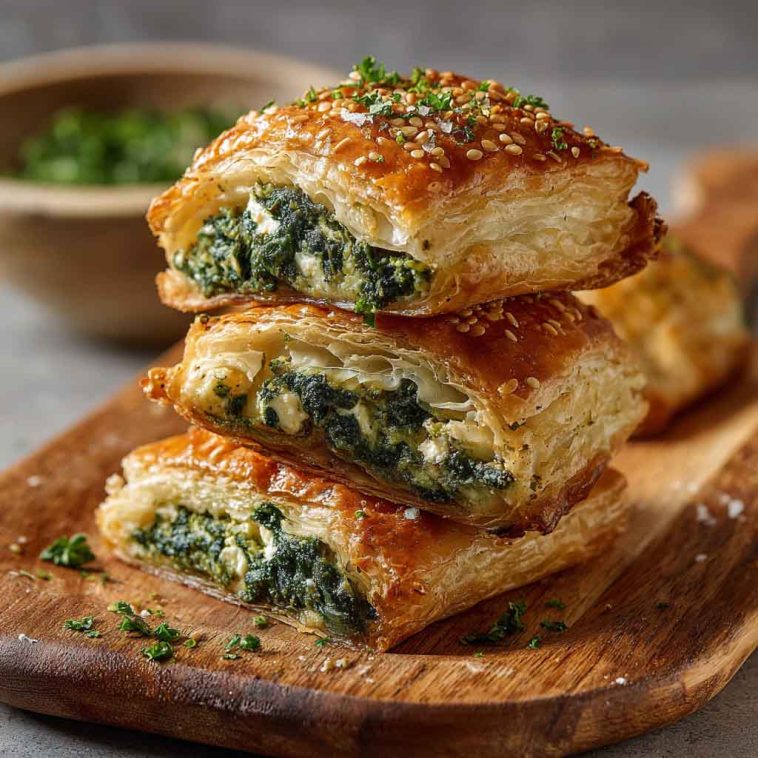
Flaky Spinach & Feta Puff Pastry
Imagine pulling a tray from the oven where buttery golden puff pastry rises into delicate, crisp layers, each bite giving way to a creamy, savory filling of spinach and salty feta. The aroma alone feels inviting, but the taste delivers pure comfort wrapped in elegance.
Spinach feta puff pastry is one of those dishes that looks like it took hours in the kitchen, yet it’s surprisingly quick and approachable. With just a few clever techniques, you can transform store-bought pastry and simple ingredients into something worthy of a brunch table, holiday party, or cozy family snack.
In this guide, you’ll learn exactly how to prepare the filling, handle puff pastry like a pro, and bake each piece to flaky perfection. Whether you’re a beginner cook or a seasoned host, this recipe will show you how to impress your guests—and yourself—with minimal effort.
What Is Spinach Feta Puff Pastry?
Spinach feta puff pastry is a savory pastry that combines two classic elements: buttery puff pastry dough and a rich, cheesy spinach filling. The pastry bakes into crisp, airy layers, while the inside stays creamy and flavorful. It’s an irresistible balance of texture and taste that makes it a go-to for entertaining or everyday indulgence.
If you’ve ever enjoyed spanakopita, the beloved Greek spinach pie, you’ll notice similarities here. Spanakopita traditionally uses phyllo dough—delicate, paper-thin sheets layered with butter or oil. Puff pastry offers a shortcut, creating the same flaky effect but with fewer steps and a slightly richer bite. This makes spinach feta puff pastry a more accessible, modern cousin to spanakopita, without losing its Mediterranean soul.
The popularity of this dish lies in its versatility. Serve it as an appetizer, light lunch, picnic snack, or brunch centerpiece. It pairs beautifully with fresh salads, soups, or simply on its own. Its global appeal comes from the way it blends familiar pastry techniques with vibrant Greek-inspired flavors, creating a recipe that feels both comforting and elegant.
Key Ingredients Explained
The beauty of spinach feta puff pastry lies in its short ingredient list—each one working hard to deliver flavor and texture.
Puff pastry: Store-bought puff pastry saves time and delivers reliable flakiness. It’s best thawed in the fridge overnight for easy handling. Homemade pastry offers unbeatable flavor, but it’s time-intensive—great for special occasions.
Spinach: Fresh spinach offers vibrant flavor but must be wilted and squeezed dry to avoid sogginess. Frozen spinach is convenient and budget-friendly, provided you press out excess water after thawing. Either option works, as long as the moisture is managed.
Feta cheese: Authentic Greek feta, made from sheep’s or goat’s milk, brings tangy sharpness. For milder alternatives, try a mix of ricotta and feta, or swap in goat cheese for creaminess.
Flavor boosters: Onions, garlic, dill, parsley, or mint can all elevate the filling. Some cooks add cream cheese or an egg for extra binding and richness.
Ingredient quality truly matters here—good feta and fresh herbs turn a simple pastry into something unforgettable.
Preparing the Spinach Feta Filling
The filling is the heart of spinach feta puff pastry, and a few simple steps make all the difference.
Start by gently sautéing diced onions and garlic until soft and fragrant. This forms a flavorful base that complements the spinach without overpowering it. If using fresh spinach, wilt it in the pan and transfer it to a colander to cool, pressing out excess liquid. For frozen spinach, thaw first and squeeze thoroughly with a clean kitchen towel. Too much water is the number one reason fillings turn soggy.
In a mixing bowl, crumble the feta and combine it with the spinach, sautéed aromatics, and a lightly beaten egg. The egg helps bind the mixture so it stays neatly tucked inside the pastry. Season with a little salt, freshly ground black pepper, and a pinch of nutmeg for warmth. Fresh herbs such as dill or parsley add brightness.
The goal is a balanced, creamy filling that’s not too wet and not too dry. Taste as you go—since feta is salty, you may need less seasoning than expected. Done right, this mixture becomes a luxurious surprise inside each flaky bite.
Puff Pastry Handling & Shaping Options
Working with puff pastry is easier than it looks, as long as you respect its delicate layers. Always thaw frozen sheets in the fridge overnight. Avoid leaving them at room temperature for too long, as warm pastry turns sticky and difficult to shape.
Lightly flour your work surface, then gently roll the pastry to even out thickness without crushing the layers. From here, you have endless shaping possibilities:
Squares & triangles: Cut into even squares, spoon in the filling, then fold into triangles or leave as little parcels.
Pinwheels or twists: Spread the filling thinly, roll the pastry, slice, and bake into fun spirals.
Rolls & hand pies: For heartier servings, wrap larger pieces of pastry around the filling like a turnover.
Rustic free-form: Place filling in the center of a sheet, fold edges up loosely, and bake galette-style.
Seal edges with a fork or crimping tool to keep the filling secure. An egg wash (beaten egg brushed over the pastry) helps seal seams while giving the pastry a beautiful golden gloss. Don’t forget to cut small vents or score the tops—this lets steam escape, preventing soggy spots.
Whether neat or rustic, shaping is a chance to match the pastry to the occasion: dainty triangles for a party, or hearty rolls for family dinners.
Baking Tips for Perfectly Flaky Pastry
The magic happens in the oven, where cold dough transforms into puffed, golden layers. For best results, always preheat your oven to a high temperature—between 400–425°F (200–220°C). This initial heat causes the butter in the pastry to steam quickly, creating that signature rise.
Before baking, brush the tops with an egg wash. This not only seals the pastry but also adds a glossy, golden finish that looks bakery-perfect. For extra crunch, you can sprinkle sesame seeds or nigella seeds on top.
To avoid soggy bottoms, line your tray with parchment and bake on the middle rack. Preheating the baking sheet itself gives the pastry an extra lift. Avoid overcrowding—air circulation is key to even crispness.
Most shapes bake in about 20–25 minutes, or until puffed and deeply golden. Resist the urge to pull them out too early; color equals flavor and texture.
Once baked, transfer pastries to a wire rack. This prevents condensation from softening the bottoms as they cool.
For make-ahead prep, assemble pastries and freeze them unbaked. Bake straight from frozen, adding a few extra minutes. Leftovers reheat beautifully in a hot oven—never the microwave, which ruins the crispness.
Done right, you’ll have pastries that shatter delicately with each bite, revealing the creamy, savory filling inside.
Serving Suggestions & Pairings
Spinach feta puff pastry is as versatile in presentation as it is in flavor. For gatherings, arrange them on an appetizer platter alongside Mediterranean-inspired dips like tzatziki, hummus, or a garlicky yogurt sauce. Guests can dip, mingle, and enjoy without fuss.
They also shine as a side dish. Pair warm, flaky pastries with a fresh Greek salad, roasted vegetable salad, or a cozy bowl of tomato soup for a balanced meal. Their richness is the perfect foil for crisp greens or tangy dressings.
At brunch, these pastries become a showstopper. Serve them with mimosas, coffee, or herbal tea for an elegant spread that feels both indulgent and effortless. Cut them into bite-sized pieces for easier sharing, or keep them whole for a heartier portion.
For cocktail parties, think of them as finger food. Neatly shaped triangles or pinwheels stack beautifully on platters and look polished enough for even formal settings.
No matter the occasion, presentation counts: serve on a wooden board for a rustic look, or on sleek trays for modern flair. A sprinkle of fresh herbs or sesame seeds just before serving makes them look as good as they taste.
Storage, Freezing & Make-Ahead Tips
One of the best things about puff pastry recipes is how well they lend themselves to planning ahead. For short-term storage, keep baked pastries in an airtight container at room temperature for up to 1 day, or in the fridge for 2 days. Always reheat them in a hot oven—about 350°F (175°C) for 8–10 minutes—to restore their crispness. The microwave is tempting, but it makes the pastry limp.
For longer storage, freezing is your friend. You can freeze the pastries either before baking or after. Before baking: assemble, seal, and freeze flat on a tray until solid, then transfer to a bag or container. Bake straight from frozen, adding 5–7 minutes to the bake time. After baking: let them cool completely, then freeze. Reheat in the oven from frozen until warmed through and crisp again.
If preparing for a party, it’s often easiest to assemble the pastries ahead, freeze, and bake fresh when needed. That way, you get maximum flakiness and flavor without last-minute stress.
The rule of thumb: cold dough equals flaky pastry. Whether storing, freezing, or reheating, preserving that chill is what ensures the puff pastry delivers every time.
Variations & Creative Twists
While spinach and feta are a timeless pairing, puff pastry is a blank canvas for creativity. Try swapping or adding ingredients to make this dish your own.
Cheese variations: Ricotta brings creaminess, mozzarella adds a gooey melt, and sharp cheddar delivers a bolder bite. A mix of cheeses—like feta with a touch of cream cheese—can balance tang with richness.
Flavorful add-ins: Mushrooms bring earthiness, while sun-dried tomatoes provide tangy sweetness. Caramelized onions give a deep, savory note. You could even add roasted red peppers or olives for a Mediterranean twist.
Sweet-savory contrast: A drizzle of honey over warm feta pastries offers a Greek-inspired sweet-salty combo. Sprinkle with sesame or nigella seeds for texture.
Different formats: Instead of small triangles, bake the mixture into one large tart or galette, then slice for serving. Or go mini with bite-sized pinwheels and appetizer squares. Each shape offers a new way to enjoy the same flavors.
Vegan option: Use a dairy-free puff pastry (many store-bought versions are naturally vegan) and swap in plant-based feta or cashew cheese. Olive oil can replace butter in the filling sauté for an equally delicious result.
The beauty of puff pastry is its adaptability—you can transform the base recipe into countless variations to suit your mood, dietary needs, or the ingredients you have on hand.
Troubleshooting & Common Mistakes
Even with a simple recipe, puff pastry can be a little tricky. Here’s how to avoid common pitfalls:
Pastry not puffing: Usually caused by an oven that isn’t hot enough. Always preheat fully to at least 400°F (200°C). Over-handling the dough can also flatten the layers.
Soggy pastry: Spinach holds a lot of water, so it’s crucial to squeeze it dry. A damp filling will seep into the pastry and ruin the flakiness.
Burnt tops but raw bottoms: This often happens if the tray is too close to the top heating element. Bake on the middle rack for even heat circulation.
Filling leaking out: Make sure edges are sealed well with a fork or egg wash. Cutting steam vents helps prevent bursting during baking.
Too bland: Spinach and pastry can be mild. Don’t skip the herbs, seasoning, and tangy feta to bring the flavors to life.
Remember: puff pastry rewards patience and precision. A little care with handling, sealing, and baking goes a long way to ensure flawless, bakery-worthy pastries every time.
FAQs
Can I use frozen spinach instead of fresh?
Yes! Frozen spinach works well—just thaw and squeeze out as much water as possible to avoid soggy filling.
Do I need to cook spinach before baking?
Fresh spinach should be lightly wilted first. Frozen spinach doesn’t need cooking, just thorough draining.
Can puff pastry be made ahead of time?
Yes. Assemble pastries and refrigerate for up to 24 hours before baking, or freeze them unbaked for longer storage.
Is there a vegan alternative?
Absolutely. Use vegan puff pastry (many brands are dairy-free) and swap feta for a plant-based cheese alternative.
How do I stop puff pastry from going soggy?
Bake at a high temperature, ensure the spinach is well-drained, and cool pastries on a wire rack after baking.
Nutrition & Calories
Each spinach feta puff pastry typically contains around 220–250 calories, depending on size and portioning. Most of the calories come from the puff pastry itself, which is high in carbs and butter, while feta and spinach contribute protein, calcium, and vitamins. On average, you’ll get a balance of carbohydrates for energy, fats for richness, and protein from the cheese and spinach.
For a lighter version, try reduced-fat feta or part-skim ricotta. Some brands also offer whole wheat puff pastry, which increases fiber content. With these swaps, you can make the dish a touch healthier while keeping it delicious.

Flaky Spinach & Feta Puff Pastry | Easy Savory Appetizer
Equipment
- Large skillet (for spinach + aromatics)
- Mixing bowl
- Sharp knife or pastry cutter
- Baking sheet
- Parchment paper
- Pastry brush (for egg wash)
- Fork (for sealing edges)
Ingredients
- 1 package puff pastry (2 sheets, thawed in fridge overnight)
- 2 cups fresh spinach (or 1 cup frozen, thawed + well-drained)
- 1 small onion, finely diced (optional)
- 2 cloves garlic, minced (optional)
- 1 cup feta cheese, crumbled
- 1 egg (for filling binding)
- 1 egg (for egg wash)
- 1–2 tbsp olive oil or butter (for sautéing)
- 1 tbsp fresh herbs (dill, parsley, or mint), chopped
- Salt & pepper, to taste
- Pinch of nutmeg (optional, for warmth)
Instructions
Prepare the filling:
- Heat olive oil in a skillet. Sauté onion until soft; add garlic and cook briefly.
- Add spinach until wilted (if fresh). If using frozen spinach, skip cooking and just ensure it’s squeezed dry.
- Transfer to a bowl, cool slightly, then mix with crumbled feta, beaten egg, herbs, salt, pepper, and nutmeg.
Prepare pastry:
- Preheat oven to 400°F (200°C). Line a baking sheet with parchment.
- Roll puff pastry slightly on a floured surface. Cut into squares or rectangles.
Fill & shape:
- Place 1–2 tbsp filling in the center of each piece.
- Fold into triangles, rectangles, or desired shape. Seal edges with a fork.
- Brush tops with beaten egg for a golden finish. Score tops lightly for steam vents.
Bake:
- Bake 20–25 minutes, until golden brown and puffed.
- Cool briefly on a wire rack before serving.
Notes
- Make-ahead: Assemble and freeze unbaked pastries. Bake straight from frozen, adding 5–7 minutes.
- Flavor twists: Add mushrooms, caramelized onions, or sun-dried tomatoes to the filling.
- Serving tip: Delicious with tzatziki, hummus, or a light Greek salad.
- Vegan version: Use dairy-free puff pastry and vegan feta substitute.