

 Laura Mariano
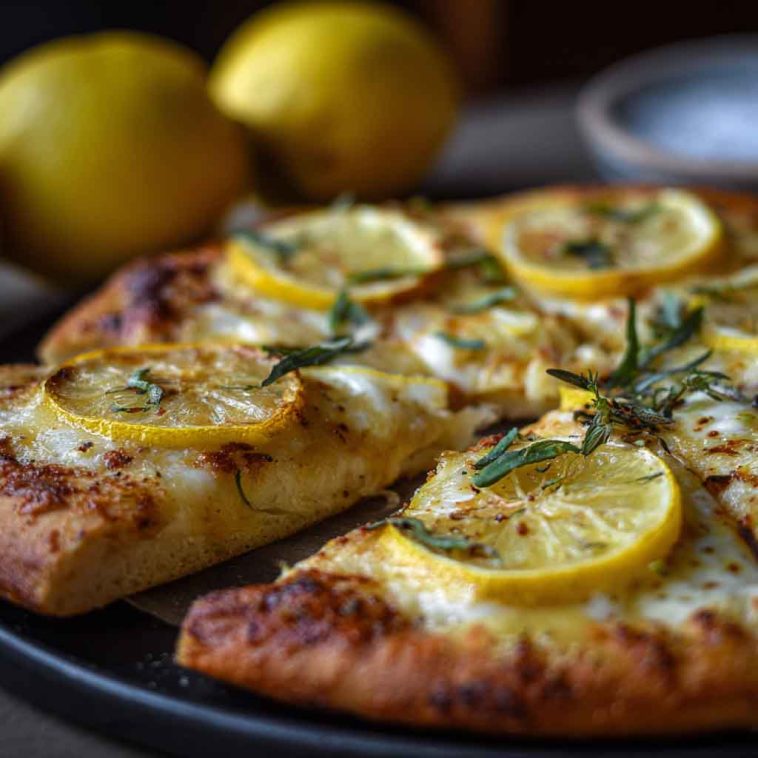
The Zesty Twist on a Classic Favorite (200 words)
Imagine biting into a crisp, golden pizza crust, topped with creamy cheese and a bright, tangy lemon flavor that awakens your taste buds. Lemon pizza is that unexpected culinary twist that takes a familiar favorite and turns it into something delightfully surprising.
This pizza balances savory, sweet, and citrus notes, offering a flavor experience that is both refreshing and comforting. The tang of fresh lemon zest and juice pairs beautifully with creamy cheeses, herbs, and optional toppings, creating a harmonious dish that is perfect for adventurous eaters.
Whether you’re hosting a summer brunch, preparing a light dinner, or looking for a show-stopping appetizer, lemon pizza fits the bill. Its vibrant flavors make it a conversation starter, while its comforting base ensures it’s universally enjoyable.
In this guide, we’ll walk you through every step—from choosing the best lemons and cheeses to baking a perfectly crisp crust. You’ll also discover tips for balancing acidity, enhancing flavor, and adding creative toppings. By the end, you’ll have all the tools and knowledge to make lemon pizza that’s both visually stunning and bursting with flavor.
2. What is Lemon Pizza? (150 words)
Lemon pizza is a unique twist on the traditional pizza, highlighting citrus-forward flavors while maintaining the beloved base of dough and cheese. Unlike dessert pizzas that lean heavily on sweetness, or classic savory pies that focus on tomato sauce and herbs, lemon pizza sits somewhere in between—a refreshing, aromatic option that is both savory and slightly sweet.
Its origins are inspired by Italian cuisine, where lemons are a staple in Southern cooking, especially in coastal regions. Modern interpretations have expanded beyond Italy, incorporating creative toppings such as fresh herbs, seafood, or honey for a balanced flavor profile.
The key defining elements of lemon pizza are its bright citrus notes, creamy cheese base, and complementary toppings that enhance without overpowering the lemon. This dish is ideal for those seeking a fresh, unconventional pizza experience that surprises the palate while remaining comforting and approachable.
3. Flavor Profile: Balancing Citrus with Cheese and Toppings (200 words)
The essence of lemon pizza lies in its careful balance of flavors. Fresh lemon zest and juice provide a vibrant, tangy kick that enlivens the palate without overwhelming other ingredients. To balance this acidity, creamy cheeses such as ricotta, mozzarella, goat cheese, or mascarpone are used, offering a rich, smooth counterpoint.
Toppings can further enhance this balance. Fresh herbs like basil, thyme, or oregano add aromatic depth, while a drizzle of honey or a scattering of nuts can introduce subtle sweetness and textural contrast. For seafood versions, shrimp, scallops, or smoked salmon complement the citrus while adding savory richness.
The key to a successful lemon pizza is harmony: the acidity of the lemon must coexist with the creaminess of the cheese, the aroma of fresh herbs, and any additional sweet or savory toppings. When these elements align, each bite delivers a bright, satisfying experience that’s simultaneously refreshing and indulgent.
4. Key Ingredients & Their Roles (250 words)
Pizza Dough: The foundation of your lemon pizza, a crisp-yet-chewy crust provides texture and structure. A thin crust works best for highlighting toppings, while a thicker crust offers a more indulgent base.
Lemon: Both zest and juice are crucial. Zest delivers aromatic oils, while juice adds bright, tangy flavor. Use fresh lemons for the best results.
Cheese: Creamy cheeses balance the citrus. Ricotta offers mild richness, mozzarella adds meltiness, goat cheese brings tang, and mascarpone adds luxurious creaminess. Combining cheeses can enhance complexity.
Olive Oil: A drizzle before baking boosts flavor and helps crisp the crust’s edges.
Optional Toppings: Fresh herbs (basil, thyme), honey for sweetness, nuts for crunch, or seafood for a luxurious twist. Garlic or microgreens can add layers of flavor.
Pro Tip: Select high-quality, fresh ingredients. Fresh lemon zest will be far more aromatic than pre-grated versions, and using good cheese elevates the overall dish. Balancing these key ingredients ensures a pizza that’s flavorful, bright, and perfectly harmonious.
Tools & Equipment You’ll Need
Pizza stone or baking sheet: Ensures even baking and crisp crust.
Oven thermometer: Guarantees precise baking temperatures.
Zester or microplane: Extracts aromatic lemon zest.
Rolling pin or hands: Shapes dough to your desired thickness.
Small bowl: Mix and prepare toppings before assembling the pizza.
Having the right tools streamlines the process and helps achieve a professional-quality pizza at home. A pizza stone, in particular, mimics the intense heat of a pizzeria oven, giving your crust a perfect golden-brown finish.
Step-by-Step Instructions
Step 1: Prepare the Dough
Roll out your pizza dough to your preferred thickness. For thin crust, aim for 1/8 inch; for thicker crust, leave slightly more dough. Lightly flour your work surface to prevent sticking.
Step 2: Pre-Bake the Dough (Optional)
Pre-baking ensures the crust remains crisp when lemon and cheese are added. Bake at 475°F (245°C) for 5–7 minutes, until the base begins to firm.
Step 3: Assemble the Toppings
Spread a thin, even layer of your chosen cheese. Sprinkle lemon zest over the top, add herbs or optional toppings, and lightly drizzle with olive oil. Avoid adding too much lemon juice before baking to prevent sogginess.
Step 4: Bake the Pizza
Bake at 475°F (245°C) for 8–10 minutes, until the cheese melts and edges are golden. Use an oven thermometer for accuracy and rotate halfway if needed for even baking.
Step 5: Finishing Touches
Remove from oven and let cool for a minute. Add a light drizzle of honey, extra lemon juice, or fresh herbs for brightness. Slice and serve immediately.
Pro Tips:
Avoid over-squeezing lemon juice pre-baking.
Layer toppings carefully to prevent soggy spots.
For seafood toppings, pre-cook shrimp or scallops slightly before baking.
Variations & Flavor Enhancements
Lemon Dessert Pizza: Swap savory cheese for mascarpone, dust with powdered sugar, and top with berries for a sweet twist.
Seafood Lemon Pizza: Add shrimp, scallops, or smoked salmon with fresh lemon zest for a luxurious version.
Herb-Forward Pizza: Emphasize basil, thyme, or oregano for a Mediterranean feel.
Dietary Adaptations: Use gluten-free or whole wheat dough to cater to different preferences.
Sweet & Savory: Drizzle honey or sprinkle candied nuts to enhance complexity.
Serving Ideas & Pairings
Lemon pizza shines when paired with complementary sides and drinks that enhance its bright, tangy profile.
Light accompaniments: A crisp arugula salad with shaved Parmesan and a simple vinaigrette adds peppery freshness. Grilled or roasted vegetables like asparagus or zucchini accentuate citrusy flavors without overpowering the pizza.
Seafood-friendly: For lemon pizzas featuring shrimp, scallops, or smoked salmon, serve alongside a chilled glass of Sauvignon Blanc or a sparkling lemonade for a refreshing touch.
Sweet accompaniments: Dessert-style lemon pizzas with mascarpone, berries, or honey pair beautifully with herbal teas or light white wines. Consider adding a sprinkle of toasted nuts for crunch and a contrasting texture.
Presentation tips: Slice into thin wedges for casual gatherings or square slices for a fun, modern twist. Garnish with fresh lemon zest or a drizzle of extra-virgin olive oil just before serving for added aroma and flair.
Storage & Reheating
Lemon pizza is best enjoyed fresh, but you can store leftovers for later enjoyment.
Refrigeration: Store in an airtight container for up to 2 days. Keep toppings separate if possible to preserve texture and flavor.
Reheating: Preheat oven to 350°F (175°C) and bake for 5–7 minutes until warm and slightly crisp. Avoid microwaving, as it may make the crust soggy.
Freezing: Dough can be frozen before baking; wrap tightly in plastic and freeze up to 3 months. Thaw overnight in the fridge and bake as usual. Pre-baked pizzas are not recommended for freezing, as lemon and creamy toppings may separate upon thawing.
Tip: Add a fresh squeeze of lemon juice or a light drizzle of honey after reheating to revive the pizza’s bright flavors.
FAQs
Q1: Can I use bottled lemon juice instead of fresh?
Fresh lemons are preferred for zest and juice, as they offer the brightest aroma and flavor. Bottled juice can work in a pinch but lacks the same vibrancy.
Q2: What cheeses work best on lemon pizza?
Ricotta, mozzarella, goat cheese, and mascarpone balance acidity while creating a creamy texture. Mixing two cheeses adds depth.
Q3: Can I make a vegan lemon pizza?
Yes! Use plant-based cheese alternatives, olive oil for richness, and top with fresh herbs, lemon zest, and nuts.
Q4: How can I prevent the dough from getting soggy?
Pre-bake the crust slightly before adding lemon and cheese toppings. Avoid over-squeezing lemon juice directly onto the dough.
Q5: What toppings pair well with lemon?
Fresh herbs (basil, thyme), seafood (shrimp, scallops, smoked salmon), honey, berries, or candied nuts. Balance acidic, sweet, and savory notes for harmony.
Lemon Pizza – Refreshing, Sweet & Zesty Dessert Pizza
Equipment
- Pizza stone or baking sheet
- Oven thermometer
- Zester or microplane
- Rolling pin or hands
- Small bowl for mixing toppings
Ingredients
- 1 pizza dough (store-bought or homemade)
- 1–1.5 cups cheese (ricotta, mozzarella, goat cheese, or mascarpone)
- 1–2 lemons (zest and juice)
- 1–2 tsp olive oil
- Optional toppings: fresh herbs (basil, thyme), honey, nuts, seafood (shrimp, scallops, smoked salmon)
Instructions
- Preheat oven to 475°F (245°C) with pizza stone inside.
- Roll out dough to desired thickness (thin or thick crust).
- Pre-bake crust 5–7 minutes for a slightly firm base (optional but recommended).
- Spread cheese evenly over the crust.
- Sprinkle lemon zest and add optional toppings.
- Bake 8–10 minutes until cheese melts and crust is golden.
- Remove from oven, drizzle with honey or extra lemon juice, and garnish with fresh herbs.
- Slice and serve immediately.
Notes
- For sweeter flavor, drizzle honey after baking.
- For seafood pizzas, par-cook shrimp or scallops before baking.
- Use gluten-free or whole wheat dough for dietary adaptations.
- Avoid adding too much lemon juice before baking to prevent soggy dough; fresh juice can be added after baking for brightness.
- Fresh lemons provide the best aroma and flavor compared to bottled juice.


