
 Laura Mariano
Why Banana & Pineapple Smoothies Are a Tropical Favorite
There’s something undeniably refreshing about the blend of banana and pineapple in a smoothie. This tropical duo combines creamy sweetness with a bright, tangy punch, making it a perfect drink to kick-start your day or recharge after a workout. Whether you’re craving a quick breakfast on the go, a post-exercise energy boost, or a simple, wholesome snack, banana and pineapple smoothies check all the boxes.
What makes this smoothie so beloved is not just its delicious flavor, but how effortlessly it fits into various lifestyles. It’s naturally sweetened by fruit, so there’s no need for added sugars, and it can be customized with ingredients that suit your dietary needs—from dairy-free to protein-packed. Plus, it’s incredibly easy to prepare, requiring just a few simple ingredients and a blender. In this guide, you’ll learn how to make the perfect banana and pineapple smoothie, discover the health benefits packed inside this tropical treat, and get handy tips to elevate your smoothie experience every time.
What Makes a Banana & Pineapple Smoothie So Special?
The magic of a banana and pineapple smoothie lies in the unique balance of flavors and textures. Bananas bring a rich, creamy texture and natural sweetness that smooths out the tartness of pineapple’s juicy, tangy notes. This combination creates a smooth yet vibrant taste profile that’s both satisfying and refreshing.
Beyond flavor, this smoothie is naturally sweetened by fruit, meaning you don’t need to add extra sugars or sweeteners. The natural sugars in bananas and pineapples provide quick energy, making it a smart choice for any time of day.
What makes it even more special is its versatility. You can easily adjust the smoothie to suit your preferences by adding protein powders for muscle recovery, greens like spinach for extra nutrients, or even spices like ginger for a little zing. It’s a canvas for healthful creativity while staying simple and quick.
Health Benefits of Bananas and Pineapples
Bananas and pineapples are nutritional powerhouses, each contributing unique health benefits that make this smoothie a wellness booster.
Bananas are rich in potassium, an essential mineral that helps regulate blood pressure and supports muscle and nerve function. They’re also a great source of dietary fiber, which aids digestion and keeps you feeling full longer. The natural sugars in bananas provide quick, sustained energy without the crash.
Pineapples bring their own nutritional punch with high vitamin C content, crucial for immune support and skin health. They also contain bromelain, a unique enzyme known to reduce inflammation and support digestion by breaking down proteins. Pineapples are loaded with antioxidants that combat free radicals, helping protect your body from oxidative stress.
Together, this tropical duo supports digestion, boosts your immune system, and provides a natural energy lift. Enjoying a banana and pineapple smoothie is a delicious way to nourish your body with vitamins, minerals, and digestive enzymes—all wrapped up in one vibrant drink.
Key Ingredients Breakdown
To craft the perfect banana and pineapple smoothie, start with quality ingredients. Fresh bananas add creamy sweetness, but frozen bananas are excellent for a chilled, thick texture without needing ice. Similarly, fresh pineapple offers vibrant flavor, but frozen pineapple is convenient and maintains a bright taste.
Choosing the right liquid base is crucial for texture and flavor. Water or coconut water keeps it light and hydrating, while milk or plant-based milks add creaminess and extra nutrients. Yogurt introduces beneficial probiotics and thickens the smoothie, making it more filling.
Optional boosters let you tailor the smoothie to your health goals. Protein powders help with muscle recovery, chia seeds add fiber and omega-3s, spinach sneaks in extra greens without altering taste, and fresh ginger adds a zesty, digestive kick.
Essential Tools & Equipment
A good-quality blender is key to achieving a smooth, creamy banana and pineapple smoothie. High-speed blenders can effortlessly crush frozen fruit and blend all ingredients uniformly. For basic smoothies, a mid-range blender works well too.
Measuring cups and spoons help keep ingredient portions consistent, especially when adding boosters like protein powder or seeds. Optional accessories like ice cube trays allow for easy chilling without watering down the flavor. Travel cups or reusable smoothie bottles make it convenient to take your tropical treat on the go.
Tips for Selecting the Best Fruits
Choosing ripe fruits makes all the difference in your smoothie’s taste. For bananas, look for ones with yellow skins dotted with brown spots—this indicates peak sweetness and softness, perfect for blending. Avoid overly green bananas, which can be bitter or less sweet.
When selecting pineapple, fresh is best for flavor, but canned pineapple can work if it’s packed in juice, not syrup, to avoid added sugars. Fresh pineapples should smell sweet and have a firm texture without soft spots or mold. If using frozen pineapple, make sure it’s unsweetened.
To keep your fruits fresh and ready, store bananas at room temperature until ripe, then refrigerate to slow over-ripening. Pineapples can be kept whole at room temperature for a day or two, or refrigerated once cut.
How to Make the Perfect Banana & Pineapple Smoothie
Making a banana and pineapple smoothie is delightfully simple, and with a few handy steps, you can achieve a perfectly balanced and creamy drink every time.
Step 1: Prepare your ingredients
Peel the banana and cut it into chunks for easier blending. If using fresh pineapple, remove the skin and core, then chop into bite-sized pieces. Frozen fruit can go straight into the blender.
Step 2: Choose your liquid base
Add about 1 cup of your preferred liquid — water, coconut water, milk, or yogurt. This controls the smoothie’s consistency. For a thicker smoothie, use less liquid; for a thinner drink, add more.
Step 3: Add optional boosters
If desired, toss in a scoop of protein powder, a tablespoon of chia seeds, a handful of spinach, or a small piece of fresh ginger for added flavor and nutrition.
Step 4: Blend until smooth
Start blending on low speed to break up the fruit, then increase to high until smooth and creamy. If the smoothie is too thick, add a little more liquid and blend again.
Step 5: Taste and adjust
Give your smoothie a quick taste. If it’s not sweet enough, add a drizzle of honey or maple syrup, or an extra slice of ripe banana. If too thick, thin with more liquid.
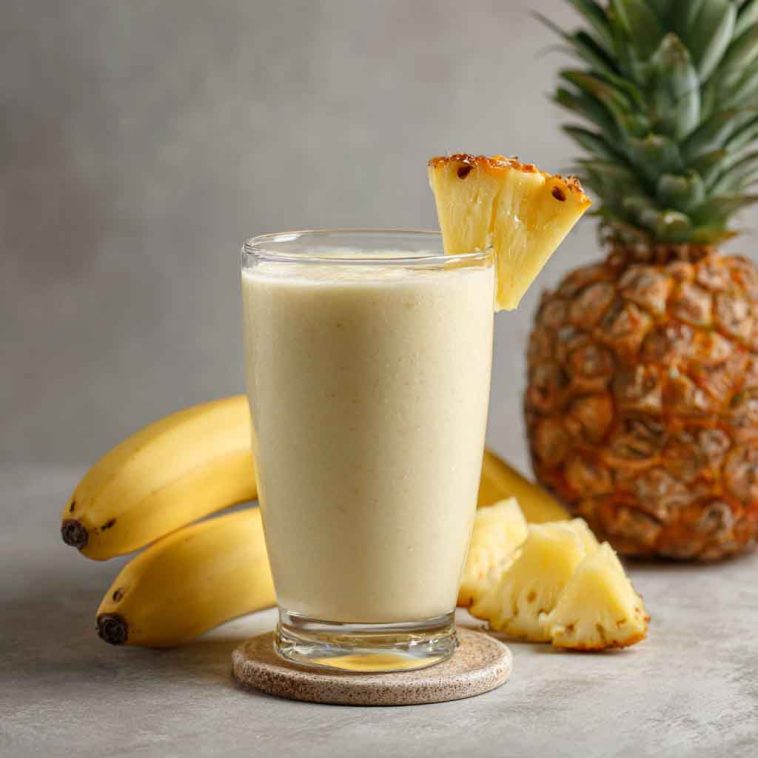
Pour into your favorite glass or travel cup, garnish with a pineapple wedge or a sprinkle of chia seeds, and enjoy immediately for the freshest flavor.
Flavor Variations and Add-Ins to Try
While the classic banana and pineapple smoothie is fantastic on its own, there are plenty of ways to customize and elevate your tropical treat:
Green Boost: Add a handful of fresh spinach or kale for extra vitamins and a vibrant green color without overwhelming the flavor.
Tropical Twist: Mix in mango or papaya chunks to deepen the tropical vibe and add natural sweetness.
Protein Power: Include your favorite protein powder—whey, pea, or hemp—to make this a post-workout recovery drink.
Spice It Up: A pinch of cinnamon, turmeric, or fresh ginger can add warmth and a health boost.
Creamy Indulgence: Blend in a spoonful of nut butter or avocado for richness and healthy fats.
Superfood Extras: Sprinkle in chia seeds, flaxseeds, or hemp hearts for fiber, omega-3s, and extra nutrients.
Frozen Fun: Add ice cubes or use frozen fruit for a cooler, thicker smoothie perfect for hot days.
Feel free to experiment with combinations until you find your favorite tropical blend!
Serving Suggestions and When to Enjoy
Banana and pineapple smoothies are wonderfully versatile and suit many occasions. Start your morning with one to fuel your day with natural energy and vitamins. They also make excellent post-workout refreshments, helping to replenish electrolytes and support muscle recovery.
For a light snack, this smoothie provides satisfying sweetness without heaviness. You can serve it as a refreshing afternoon pick-me-up or even a healthy dessert alternative.
Pair your smoothie with light foods like granola, a handful of nuts, or whole-grain toast for a balanced meal. Garnishing with fresh fruit slices or a sprinkle of coconut flakes adds a pretty touch and enhances flavor.
Enjoy your smoothie chilled and fresh for the best taste and texture, ideally within 30 minutes of blending.
Storage Tips and Make-Ahead Ideas
While fresh smoothies taste best immediately, sometimes you want to prep ahead. If you need to store your banana and pineapple smoothie, keep it in an airtight container or jar in the refrigerator and consume within 24 hours to preserve freshness and nutrients.
Before drinking, give the smoothie a good shake or stir, as separation may occur naturally. Avoid freezing fully prepared smoothies, as texture can become grainy once thawed.
For quick mornings, pre-portion your fruit and boosters in freezer-safe bags or containers. When ready to blend, just add your liquid base and blend fresh. This method saves time and reduces waste.
Using frozen bananas and pineapple cubes not only helps with texture but also means you can keep smoothie ingredients on hand longer.
FAQs About Banana & Pineapple Smoothies
Q: Can I use canned pineapple instead of fresh?
A: Yes, canned pineapple can work well if it’s packed in its own juice without added sugar. Rinse canned fruit briefly to reduce excess syrupiness and sugar content.
Q: How do I make the smoothie dairy-free?
A: Simply swap regular milk or yogurt for plant-based alternatives like almond milk, coconut milk, or soy yogurt.
Q: Can I add protein powder to this smoothie?
A: Absolutely! Protein powder is a popular addition to make your smoothie more filling and great for post-workout recovery.
Q: Is it better to use fresh or frozen fruit?
A: Frozen fruit helps create a cold, thick smoothie and can be more convenient. Fresh fruit often has a brighter flavor but may require ice cubes to chill the drink.
Q: How can I make the smoothie sweeter without adding sugar?
A: Use ripe bananas with brown spots, add a splash of natural fruit juice, or include sweeter tropical fruits like mango.
Q: Can this smoothie help with digestion?
A: Yes! The fiber in bananas and pineapple, along with the bromelain enzyme in pineapple, supports healthy digestion.

Banana & Pineapple Smoothie
Equipment
- Blender (high-speed recommended)
- Measuring Cups and Spoons
- Knife and cutting board
- Glasses or travel cups
Ingredients
- 1 large ripe banana (fresh or frozen)
- 1 cup fresh or frozen pineapple chunks
- 1 cup liquid base (water, coconut water, milk, or yogurt)
- Optional: 1 scoop protein powder
- Optional: 1 tbsp chia seeds
- Optional: 1 handful fresh spinach
- Optional: ½ inch fresh ginger piece
- Optional: ice cubes (if using fresh fruit and desired thickness)
Instructions
- Peel and slice the banana. If fresh pineapple, remove skin and core, then chop.
- Add banana, pineapple, and liquid base to the blender.
- Add any optional boosters like protein powder, chia seeds, spinach, or ginger.
- Blend on low speed, gradually increasing to high until smooth and creamy.
- Adjust consistency by adding more liquid if needed.
- Taste and add a bit of natural sweetener if desired (optional).
- Pour into glasses or travel cups and serve immediately.
Notes
- Use ripe bananas with brown spots for natural sweetness and creamy texture.
- Frozen fruit creates a thicker, chilled smoothie without adding ice.
- Swap liquid bases to adjust creaminess and nutritional profile (coconut water for hydration, milk for protein, yogurt for probiotics).
- Customize with superfood boosters for extra nutrition and flavor.
- Consume immediately for best taste and nutrient retention.
- Store leftovers in the refrigerator up to 24 hours; shake or stir before drinking.