

 Laura Mariano
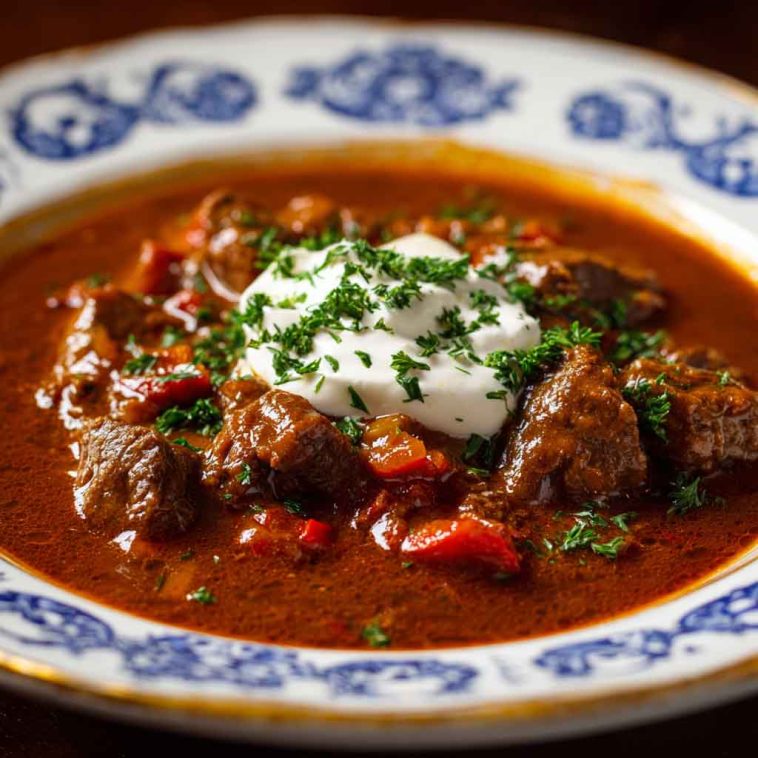
Why Hungarian Goulash Is a Timeless Comfort Food
Hungarian goulash is much more than just a stew — it’s a symbol of comfort, tradition, and rich culinary history that has won hearts worldwide. Its warm, hearty nature makes it a perfect meal for chilly days, family gatherings, or anytime you crave a satisfying, flavorful dish that feels like a hug in a bowl.
Rooted deeply in Hungarian culture, goulash tells a story of shepherds, open plains, and centuries-old cooking techniques passed down through generations. This iconic dish blends simple ingredients with bold paprika spice to create a rich, tender, and aromatic stew.
In this guide, you’ll learn how to master authentic Hungarian goulash at home — from choosing the right cuts of beef to unlocking the secrets of perfectly blooming paprika — ensuring every bite is tender, flavorful, and true to tradition.
What Is Hungarian Goulash? History and Definition
The word “goulash” comes from the Hungarian gulyás, meaning “herdsman” or “cowboy,” reflecting its origins as a practical, filling meal cooked by Hungarian shepherds over open fires on the Great Hungarian Plain. Initially, it was a simple, meat-and-onion soup seasoned primarily with paprika.
Over time, goulash evolved into the hearty stew known today — thick, rich, and packed with layers of flavor. Its popularity spread throughout Central Europe, inspiring countless regional adaptations, each adding unique touches while preserving the core essence of paprika-spiced beef.
It’s important to distinguish between goulash, pörkölt, and paprikás — all Hungarian meat dishes but with subtle differences. Goulash tends to be soupier with more broth, pörkölt is a thicker stew with less liquid, and paprikás is usually creamier thanks to the addition of sour cream.
Understanding these variations helps appreciate the culinary nuance and regional pride baked into every pot of authentic Hungarian goulash.
Key Ingredients & Their Roles in Authentic Goulash
The heart of Hungarian goulash lies in its carefully chosen ingredients, each contributing essential flavor, texture, and aroma.
Beef Cuts:
Selecting the right cut is crucial for tender, flavorful meat. Traditional choices include chuck, shin, or brisket — cuts rich in connective tissue that break down beautifully during long, slow cooking, resulting in melt-in-your-mouth tenderness and hearty beefy flavor.
Paprika:
Paprika is the soul of goulash. The Hungarian variety, available in sweet or hot, is prized for its vibrant color and deep, smoky flavor. Using fresh, high-quality paprika is non-negotiable — avoid pre-ground, old spices that lack intensity. The paprika is gently “bloomed” in hot fat early in cooking, releasing its essential oils and transforming the dish’s flavor.
Vegetables:
Onions are foundational, sautéed slowly to develop sweetness and depth. Bell peppers, tomatoes, and garlic add layers of freshness and complexity. These vegetables not only enrich the broth but also contribute body and balance.
Broth & Liquids:
Water or beef stock forms the cooking liquid, with beef stock adding richness and umami. The choice influences the stew’s depth and mouthfeel.
Herbs & Spices:
Caraway seeds lend a subtle anise-like warmth, while bay leaves and black pepper add earthy undertones. Marjoram is often included for a slightly floral note, rounding out the seasoning.
Optional Additions:
Potatoes, noodles (like egg noodles), or Hungarian dumplings called csipetke traditionally accompany goulash, absorbing the luscious sauce and making the meal even more satisfying.
Pro Tip:
Layering flavors through slow cooking and careful paprika blooming is key. Don’t rush the onion sauté or paprika step — they form the aromatic backbone that defines authentic goulash.
Essential Equipment & Cooking Techniques
A heavy-bottomed pot or Dutch oven is ideal, providing even heat distribution for gentle simmering without scorching. A wooden spoon allows for gentle stirring, protecting the pot’s surface and the tender meat.
For precision, a meat thermometer can help check tenderness, though it’s optional as slow cooking times often suffice.
Modern adaptations include slow cookers or pressure cookers for convenience, but traditional stovetop methods offer more control over texture and flavor development.
Patience is a vital ingredient—slow cooking allows flavors to meld and beef to soften to perfection.
Step-by-Step Traditional Hungarian Goulash Recipe
-
Prepare the beef and vegetables:
Trim beef into roughly 1½-inch cubes for even cooking. Peel and finely chop onions, dice bell peppers and tomatoes, and mince garlic. -
Sauté onions slowly:
Heat oil or lard in the pot over medium-low heat. Add onions and cook gently until translucent and soft — this can take 15–20 minutes. This slow sauté is critical for developing deep sweetness and flavor. -
Bloom the paprika:
Remove the pot from heat briefly. Stir in the Hungarian paprika, coating the onions in fat without letting it burn (burnt paprika becomes bitter). Return to heat once combined. -
Add beef and liquids:
Add the beef cubes, stirring to coat with paprika and onions. Pour in enough water or beef stock to just cover the meat. Bring to a simmer. -
Slow simmer:
Cover the pot and simmer gently for about 2 hours, stirring occasionally. The beef should become tender, and the broth should reduce to a rich consistency. -
Add vegetables and spices:
About 30 minutes before the end, add diced bell peppers, tomatoes, minced garlic, bay leaves, caraway seeds, black pepper, and marjoram. Continue simmering until vegetables are tender and flavors meld. -
Final seasoning and rest:
Taste and adjust salt and pepper. Remove from heat and let the stew rest for 10–15 minutes to deepen flavors. -
Serve traditionally:
Serve hot with csipetke (pinched Hungarian dumplings), boiled potatoes, or buttered egg noodles. Garnish with fresh parsley if desired.
Delicious Goulash Variations to Try
Hungarian goulash is wonderfully versatile, and exploring its variations opens up new tastes and textures while honoring tradition.
Hungarian Goulash Soup (Leves):
This lighter version has more broth, making it a comforting soup rather than a thick stew. It’s perfect for warming up on a chilly day or serving as a starter in multi-course meals. The flavor is the same signature paprika-spiced beef but with a more delicate, soup-like consistency.
Pörkölt:
Think of pörkölt as goulash’s thicker, meatier cousin. It contains less liquid and focuses heavily on tender meat and rich sauce, often without potatoes or noodles added directly in. It’s more stew-like and perfect when you want a concentrated, hearty meal.
Paprikás Csirke (Chicken Paprikash):
This is a creamy, paprika-seasoned chicken dish often served with nokedli (Hungarian dumplings). While it swaps beef for chicken and uses sour cream for richness, it shares the warm, smoky paprika flavor and comforting feel of goulash.
Vegetarian Adaptations:
Mushrooms and hearty root vegetables like carrots, parsnips, and potatoes make excellent meat substitutes. Slow-cooked with the traditional paprika and herbs, these versions still deliver the iconic flavor without the beef.
Slow Cooker and Instant Pot Versions:
For convenience, many home cooks use slow cookers or Instant Pots. These appliances simplify the long simmering process, reduce active cooking time, and still produce tender meat and deep flavors. Just adjust liquid quantities and cooking times accordingly.
Regional Twists:
Across Central Europe, goulash takes on subtle variations. Austrian versions may include wine and a touch of cream, Czech and Slovak adaptations often feature sauerkraut or dumplings, and spices can vary slightly by region — all adding their own local charm to this classic.
Serving Suggestions & Traditional Accompaniments
Hungarian goulash is a hearty dish that pairs beautifully with a variety of sides, enhancing its rich, smoky flavors.
Csipetke: These tiny Hungarian pinched noodles are traditional and soak up the goulash sauce perfectly, making every bite luscious.
Spaetzle or Buttered Egg Noodles: A great alternative that provides a soft, buttery base for the stew.
Mashed Potatoes: Creamy mashed potatoes balance the robust paprika flavors and add comforting creaminess.
Rustic Rye or Crusty Bread: Ideal for dipping and savoring every drop of the sauce.
Pickled Vegetables and Fresh Salads: Bright, acidic sides help cut through the richness and add freshness.
Wine Pairings: Hungarian reds like Egri Bikavér (“Bull’s Blood”) or Kadarka complement goulash wonderfully with their fruity, spicy profiles. For a lighter option, a crisp white wine also works.
Storing, Reheating & Freezing Tips
Goulash actually tastes better the next day as the flavors have more time to meld. Store leftovers in an airtight container in the refrigerator for up to 3-4 days.
When reheating, warm gently on the stovetop or microwave with a splash of water or broth to loosen the sauce and prevent drying. Stir occasionally for even heating.
To freeze, portion the cooled goulash into freezer-safe containers, leaving some space for expansion. Properly frozen goulash can last up to 3 months. Thaw overnight in the fridge before reheating.
Avoid reheating multiple times to preserve texture and flavor. If the sauce thickens too much after freezing, stir in a little warm broth or water to restore consistency.
Troubleshooting Common Goulash Issues
Tough or Dry Meat:
Choosing lean cuts or undercooking can cause toughness. Opt for beef chuck or shin and allow plenty of slow simmering time for connective tissues to break down.
Paprika Bitterness:
Burnt paprika tastes bitter and unpleasant. Always add paprika off the heat and stir it into hot fat carefully to “bloom” it without burning.
Too Thin or Watery Stew:
If your goulash is watery, simmer uncovered to reduce excess liquid. Alternatively, mix a little flour or cornstarch with cold water and stir in to thicken.
Lack of Depth or Spice:
Layer your seasoning gradually. Taste and adjust salt, pepper, and paprika during cooking. Fresh paprika and slow cooking amplify flavor complexity.
FAQs – What People Also Ask About Goulash
What cut of beef is best for Hungarian goulash?
Chuck, shin, or brisket are ideal due to their connective tissue, which melts down and tenderizes during long cooking.
Is goulash a soup or stew?
Traditional Hungarian goulash can be both—a soup-like version called “leves” or a thicker stew. The difference lies in the amount of liquid used.
Can I make goulash in a slow cooker?
Yes! Slow cookers simplify the process. Use the same ingredients, reduce liquid slightly, and cook on low for 6-8 hours.
What’s the difference between goulash and beef stew?
Goulash is distinguished by its heavy use of paprika and unique seasoning, plus a lighter broth. Beef stew typically has a thicker sauce and different spice profiles.
How long does Hungarian goulash take to cook?
Traditionally, 2-3 hours of slow simmering are needed for tender meat and rich flavor.
Can goulash be frozen and reheated?
Absolutely. Freeze in airtight containers for up to 3 months. Thaw in the fridge overnight and reheat gently for best results.
Goulash (Hungarian beef stew)
Equipment
- Heavy-bottomed pot or Dutch oven
- Wooden spoon
- Chef’s knife and cutting board
- Measuring spoons and cups
- Optional: meat thermometer, slow cooker or pressure cooker
Ingredients
- 2 lbs beef chuck or shin, cut into 1½-inch cubes
- 3 large onions, finely chopped
- 3 cloves garlic, minced
- 2 tbsp Hungarian sweet paprika (preferably fresh)
- 1 tbsp hot paprika (optional, for spice)
- 2 bell peppers, diced
- 2 large ripe tomatoes, diced (or 1 cup canned diced tomatoes)
- 4 cups beef broth or water
- 1 tsp caraway seeds
- 2 bay leaves
- 1 tsp dried marjoram
- Salt and freshly ground black pepper, to taste
- 2 tbsp vegetable oil or lard
- Optional: potatoes, buttered noodles, or csipetke dumplings for serving
Instructions
- Heat oil or lard in a heavy-bottomed pot over medium-low heat. Add onions and cook slowly until golden and soft (15–20 minutes).
- Remove from heat briefly; stir in sweet paprika and hot paprika carefully, coating onions without burning.
- Return to heat, add beef cubes, and brown lightly on all sides.
- Pour in beef broth or water to just cover the meat. Bring to a gentle simmer.
- Add garlic, caraway seeds, bay leaves, and marjoram. Cover and simmer gently for about 2 hours, stirring occasionally.
- About 30 minutes before finishing, add bell peppers and tomatoes. Continue simmering until vegetables and meat are tender, and the broth thickens.
- Season with salt and pepper to taste. Remove bay leaves before serving.
- Let the goulash rest for 10 minutes before serving to deepen flavors. Serve hot with traditional sides like csipetke dumplings, buttered noodles, or boiled potatoes.
Notes
- Use good-quality Hungarian paprika for authentic flavor and vibrant color.
- Slow cooking at low temperature ensures tender meat and rich broth.
- Avoid rushing the onion sauté; it builds foundational sweetness.
- Adjust paprika quantity to taste and heat preference.
- For convenience, goulash can be made in a slow cooker or pressure cooker with adjusted times.
- Leftover goulash tastes even better the next day as flavors deepen.
- Store leftovers in airtight containers in the refrigerator for up to 4 days or freeze for up to 3 months.