
 Laura Mariano
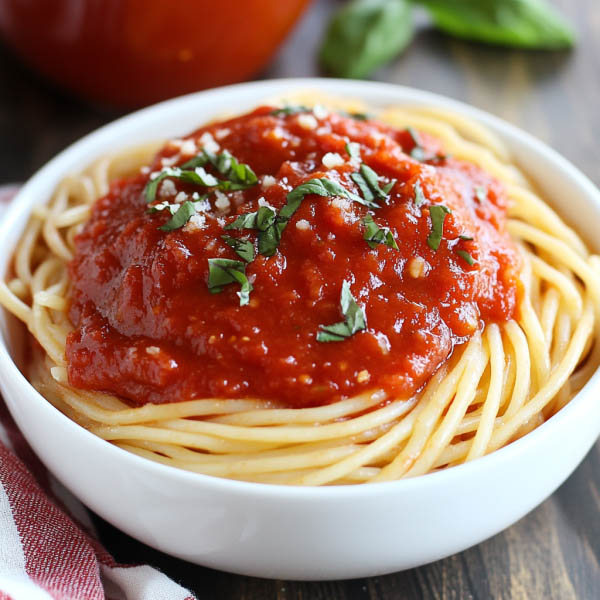
Introduction to Homemade Marinara Sauce
Marinara sauce is the backbone of Italian cooking, a versatile staple that embodies simplicity and flavor. With just a handful of ingredients—fresh tomatoes, garlic, olive oil, and herbs—it creates a sauce that’s both comforting and adaptable.
The appeal lies in its balance: sweet, tangy tomatoes form the base, garlic and onion add aromatic depth, olive oil provides richness, and herbs like basil and oregano bring freshness. Together, they create a sauce that feels rustic yet refined.
Perfect for pasta, pizza, or dipping, marinara is a kitchen essential that elevates everyday meals. Whether spooned over spaghetti, spread on pizza dough, or served with crusty breadsticks, it delivers authentic Italian flavor in minutes.
What Makes This Recipe Special?
This marinara recipe stands out because it uses simple pantry staples yet delivers restaurant-quality flavor. With minimal effort, you can create a sauce that tastes rich and authentic, rivaling what you’d find in an Italian trattoria.
It’s also quick to prepare, taking just 20–40 minutes from start to finish. The short simmer time concentrates flavors without requiring hours of cooking, making it ideal for busy weeknights.
Tip: Using San Marzano tomatoes elevates authenticity. Their natural sweetness and low acidity create a balanced sauce that requires little adjustment.
Cultural & Historical Background
Marinara sauce originated in Naples, Italy, where sailors (“marinai”) prepared it with simple ingredients that traveled well—tomatoes, garlic, and olive oil. Its name reflects this seafaring heritage.
It differs from other Italian sauces:
- Marinara: Quick-cooked, tomato-forward, with garlic and herbs.
- Spaghetti sauce: Often includes meat, longer simmering, and richer flavors.
- Pizza sauce: Thicker, more concentrated, designed to spread on dough.
Marinara symbolizes simplicity in Italian cuisine, proving that a few quality ingredients can create extraordinary flavor. It’s a cornerstone of home cooking, passed down through generations and adapted worldwide.
Flavor Profile Breakdown
- Tomatoes: Sweet, tangy, robust—the heart of the sauce.
- Garlic & Onion: Aromatic depth, adding savory notes.
- Olive Oil: Smooth richness, binding flavors together.
- Herbs: Basil, oregano, and bay leaf bring freshness and complexity.
Together, these elements create a sauce that’s bright yet comforting.
Pro Tip: Simmer slowly to concentrate flavors and achieve the perfect balance.
Step-by-Step Cooking Guide
Step 1: Heat Oil Warm 2–3 tbsp olive oil in a saucepan over medium heat.
Step 2: Sauté Aromatics Add 1 chopped onion and 3 minced garlic cloves. Cook until fragrant and golden.
Step 3: Add Tomatoes Stir in 1 can (28 oz) of whole or crushed tomatoes. Crush gently with a spoon.
Step 4: Season Add 1 tsp salt, ½ tsp pepper, 1 tsp oregano, a handful of fresh basil, and 1 bay leaf. Optional: 1 tsp sugar to balance acidity.
Step 5: Simmer Reduce heat and simmer uncovered for 20–30 minutes, stirring occasionally, until thickened.
Step 6: Adjust & Blend Taste and adjust seasoning. For a smooth texture, use an immersion blender.
Step 7: Serve Use immediately with pasta, pizza, or as a dipping sauce.
Tip: Simmering longer deepens flavor, but even 20 minutes yields a delicious sauce.
Common Mistakes to Avoid
- Overcooking Garlic: Burns easily, turning bitter. Cook gently until golden.
- Using Watery Tomatoes: Leads to thin sauce. Choose quality canned or ripe fresh tomatoes.
- Skipping Simmer Time: Results in flat flavor. Allow at least 20 minutes for depth.
- Overseasoning with Dried Herbs: Can overpower. Use fresh herbs when possible.
Tip: Always taste before serving—the sauce should be balanced, bright, and flavorful.
Homemade Marinara Sauce Recipe – Easy Authentic Italian Pasta Sauce
Equipment
- Saucepan
- Wooden spoon
- Cutting board & knife
- Measuring spoons
- immersion blender (optional)
Ingredients
- 2 tbsp olive oil
- 1 medium onion, finely chopped
- 3 garlic cloves, minced
- 1 can (28 oz) San Marzano tomatoes (whole or crushed)
- 1 tsp salt
- ½ tsp black pepper
- 1 tsp dried oregano
- 1 bay leaf
- Handful of fresh basil leaves
- Optional: 1 tsp sugar (to balance acidity)
Instructions
- Heat Oil: Warm olive oil in a saucepan over medium heat.
- Sauté Aromatics: Add onion and garlic. Cook until fragrant and golden.
- Add Tomatoes: Stir in tomatoes, crushing gently with a spoon.
- Season: Add salt, pepper, oregano, bay leaf, and sugar if needed.
- Simmer: Reduce heat and simmer uncovered for 20–30 minutes, stirring occasionally, until thickened.
- Finish: Remove bay leaf. Stir in fresh basil.
- Blend (Optional): Use immersion blender for a smooth texture.
- Serve: Use immediately with pasta, pizza, or as a dipping sauce.
Notes
- Spicy arrabbiata: add chili flakes.
- Rustic chunky: use fresh tomatoes, leave unblended.
- Vegan creamy: stir in cashew cream.
- Roasted tomato version adds smoky depth.
- Freezer-friendly: store up to 6 months.
- Always taste before serving—the sauce should be balanced and bright.