

 Laura Mariano
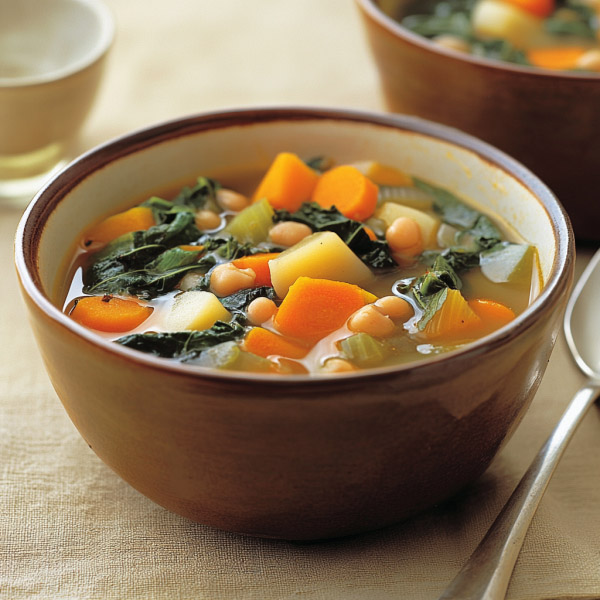
Winter Vegetable Soup
Winter Vegetable Soup is cozy comfort in a bowl, the kind of dish that warms you from the inside out during chilly months. Packed with seasonal produce, it celebrates the hearty flavors of root vegetables and leafy greens that shine in cold weather. Carrots, parsnips, turnips, leeks, and cabbage come together to create a nourishing, flavorful broth that feels both rustic and refined. This soup is versatile—perfect for weeknight dinners, meal prep, or even as a starter for holiday gatherings. Its balance of wholesome ingredients and comforting warmth makes it a staple in winter kitchens. Whether served with crusty bread or enjoyed on its own, Winter Vegetable Soup embodies the essence of seasonal cooking: simple, nourishing, and deeply satisfying.
What Makes Winter Vegetable Soup Special?
Winter Vegetable Soup stands out because it highlights the best of seasonal produce. Carrots bring natural sweetness, parsnips add earthy depth, turnips contribute subtle bitterness, and leeks lend a delicate onion flavor. Cabbage rounds out the mix with hearty texture, making the soup filling yet light.
Beyond flavor, this soup is nutrient-rich. Root vegetables provide fiber, vitamins, and minerals, while leafy greens add antioxidants. It’s a dish that nourishes the body while comforting the soul.
The soup’s versatility is another hallmark. It can be brothy and light or blended into a creamy consistency, depending on preference. Adding beans or lentils boosts protein, while herbs like thyme and rosemary elevate aroma.
Tip: Roast the vegetables before simmering. This caramelizes their natural sugars, deepening flavor and adding complexity to the broth.
Together, these qualities make Winter Vegetable Soup a wholesome, comforting dish that celebrates the season.
Origins & Cultural Influence
Winter soups have long been staples in European and American kitchens, born out of necessity in cold climates where root vegetables and hardy greens were abundant. Traditional recipes often relied on carrots, potatoes, and cabbage, simmered slowly to create filling meals that stretched limited resources.
In Europe, countries like Germany and Poland embraced root vegetable soups as everyday fare, while French cuisine elevated them with herbs and cream. In the United States, winter soups became part of homestyle cooking, often served with bread or biscuits.
Modern adaptations have expanded the flavor palette, incorporating global spices like cumin, turmeric, or ginger to add warmth and complexity. Vegan and vegetarian versions highlight the natural richness of vegetables, while blended styles create creamy, elegant presentations.
Winter Vegetable Soup reflects this cultural evolution: rooted in tradition, yet adaptable to modern tastes and dietary preferences.
Flavor Profile Breakdown
Winter Vegetable Soup offers a flavor profile that’s earthy, savory, and balanced. Root vegetables like carrots and parsnips provide natural sweetness, while turnips add subtle bitterness. Onions, garlic, and leeks create a savory base, infusing the broth with depth.
Fresh herbs like thyme, rosemary, and parsley add aromatic brightness, while a squeeze of lemon at the end lifts the flavors. The broth can be light and clear or enriched with cream for a velvety texture.
The overall profile is comforting yet refreshing: earthy sweetness, savory depth, herbal brightness, and optional creaminess. Each spoonful delivers warmth and nourishment, making it ideal for cold-weather meals.
Step-by-Step Preparation Process
Prep Vegetables: Wash and chop carrots, parsnips, turnips, leeks, and cabbage into bite-sized pieces.
- Sauté Aromatics: In a large pot, heat olive oil. Add onions, garlic, and leeks. Sauté until fragrant and softened.
- Add Vegetables: Stir in carrots, parsnips, and turnips. Cook for 5–7 minutes to develop flavor.
- Add Broth: Pour in vegetable or chicken broth. Bring to a boil, then reduce to a simmer. Add cabbage and herbs like thyme or rosemary.
- Simmer: Cook for 25–30 minutes until vegetables are tender. Adjust seasoning with salt, pepper, and a squeeze of lemon juice.
- Adjust Texture: For a creamy version, blend half the soup with an immersion blender, then return to the pot. This creates a balance of chunky and smooth textures.
- Serve: Garnish with fresh parsley. Pair with crusty bread for a complete meal.
Expert Tip: Blend only half the soup to achieve a creamy yet chunky consistency. This preserves texture while adding richness.
Winter-Vegetable Soup Recipe – Easy Healthy Comfort Food Dinner Idea
Equipment
- Large soup pot
- Cutting board and knife
- Wooden spoon or spatula
- immersion blender (optional)
- Ladle
Ingredients
- 2 carrots (chopped)
- 2 parsnips (chopped)
- 1 turnip (chopped)
- 1 leek (sliced)
- ½ small cabbage (shredded)
- 1 onion (diced)
- 3 cloves garlic (minced)
- 2 tbsp olive oil
- 6 cups vegetable or chicken broth
- 1 tsp thyme
- 1 tsp rosemary
- Salt and pepper to taste
- Fresh parsley (for garnish)
- Optional: juice of ½ lemon
Instructions
- Prep Vegetables: Wash and chop carrots, parsnips, turnip, leek, cabbage, onion, and garlic.
- Sauté Aromatics: Heat olive oil in a large pot. Add onion, garlic, and leek. Cook until softened.
- Add Vegetables: Stir in carrots, parsnips, and turnip. Cook for 5–7 minutes to develop flavor.
- Add Broth: Pour in broth. Add cabbage, thyme, and rosemary. Bring to a boil, then reduce to a simmer.
- Simmer: Cook for 25–30 minutes until vegetables are tender. Season with salt, pepper, and lemon juice.
- Adjust Texture: Blend half the soup with an immersion blender for a creamy yet chunky consistency.
- Serve: Garnish with parsley and serve hot with crusty bread.
Notes
- Roast vegetables before simmering for deeper flavor.
- Blend half the soup for a creamy yet chunky texture.
- Add beans or lentils for extra protein.
- Use coconut milk for a dairy-free creamy version.
- Freezes well—store in portions for up to 3 months.