
 Laura Mariano
Why Melomakarona Are the Heart of Greek Christmas
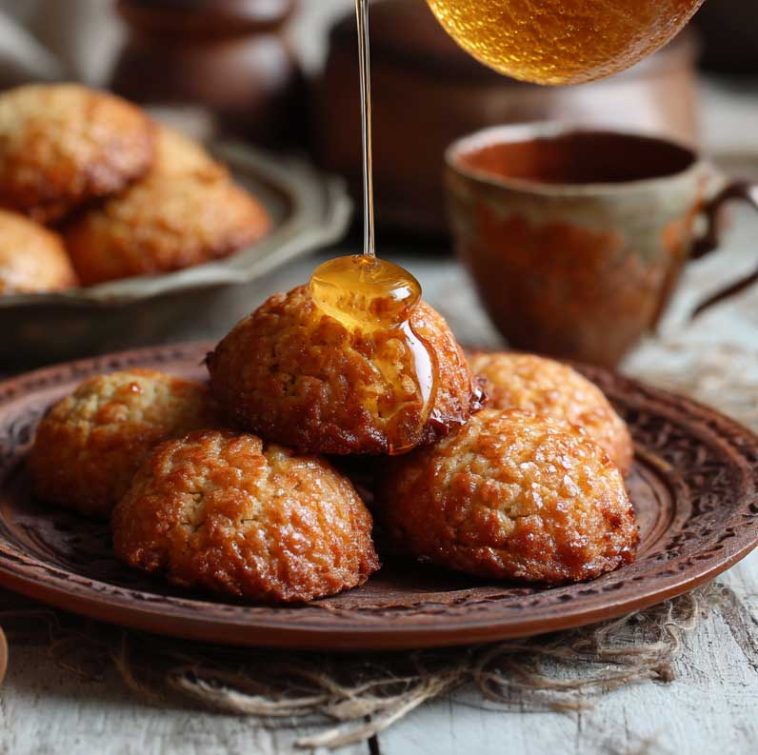
Golden, syrup-soaked cookies topped with crushed walnuts and kissed with honey — that’s the irresistible charm of melomakarona. These festive treats are more than just sweets; they embody the warmth, generosity, and joy of Greek Christmas. Their glossy finish and aromatic spices make them a centerpiece of holiday tables, while their comforting flavor ensures they’re cherished by generations.
In Greek households, melomakarona are a staple during the Christmas season, often prepared in large batches to share with family, friends, and neighbors. Their presence signals celebration, hospitality, and the spirit of giving. Unlike other cookies, they’re dipped in honey syrup after baking, creating a luscious texture that’s both crisp and tender.
In this guide, you’ll discover what melomakarona are, their cultural significance, and why they hold such a special place in Greek traditions. We’ll explore their flavor profile, nutritional benefits, key ingredients, and smart substitutions. Finally, you’ll learn the step-by-step process to recreate these festive cookies at home, ensuring your holiday table shines with authentic Greek sweetness.
What Are Melomakarona?
Melomakarona are traditional Greek honey cookies flavored with orange zest, cinnamon, and cloves. Made with olive oil, flour, and sugar, they’re shaped into ovals, baked until golden, and then soaked in warm honey syrup. Finally, they’re topped with crushed walnuts, adding texture and earthy depth.
They differ from other Greek holiday sweets like kourabiedes, which are buttery almond shortbread cookies dusted with powdered sugar. While kourabiedes are rich and crumbly, melomakarona are syrupy, spiced, and aromatic — offering a completely different festive experience.
Beyond their flavor, melomakarona symbolize hospitality and celebration. Sharing them is a gesture of warmth and generosity, reflecting the Greek tradition of offering sweets to guests during holidays. Their honey-soaked nature represents abundance and sweetness in life, making them a meaningful part of Christmas and New Year festivities.
The History & Cultural Significance
The roots of melomakarona trace back to ancient Greece, where honey-based desserts were common offerings to the gods and symbols of prosperity. Honey, considered a divine gift, was often paired with nuts and grains to create celebratory foods. Over centuries, these traditions evolved into the modern melomakarona we know today.
In Greek culture, melomakarona hold a central role during Christmas and New Year. Families gather to bake them in large quantities, filling kitchens with the scent of spices and citrus. They’re shared with neighbors, gifted to loved ones, and served to guests as a sign of hospitality. Their presence on the holiday table is as essential as the Christmas tree or festive lights.
Symbolically, honey represents sweetness and abundance, while walnuts signify wisdom and endurance. Together, they embody wishes for a prosperous year ahead. Eating melomakarona during the holidays is not just about indulgence — it’s about participating in a cultural ritual that connects generations and preserves heritage.
Flavor & Texture Profile
Melomakarona offer a unique sensory experience. Their exterior is crisp and golden from baking, while their interior becomes tender and syrup-soaked after dipping in honey syrup. This contrast creates a cookie that’s both crunchy and melt-in-your-mouth soft.
The flavor is layered and aromatic. Cinnamon, cloves, and nutmeg provide warm spice notes, while orange zest adds brightness and citrusy freshness. The honey syrup infuses the cookies with floral sweetness, balanced by the earthy crunch of walnuts sprinkled on top.
Despite their richness, melomakarona remain comforting and festive rather than overwhelming. Each bite delivers a balance of sweetness, spice, and nuttiness, making them irresistible. Their glossy finish and jewel-like appearance also make them visually stunning, perfect for holiday platters.
Together, the flavors and textures create a cookie that feels indulgent yet familiar — a true embodiment of Greek Christmas.
Nutritional Benefits & Comfort Factor
While melomakarona are undeniably indulgent, they also carry nutritional benefits thanks to their Mediterranean ingredients. Honey serves as a natural sweetener, offering antioxidants and trace minerals. Walnuts provide healthy fats, protein, and omega-3s, supporting heart and brain health. Olive oil, the base of the dough, is a cornerstone of the Mediterranean diet, known for its cardiovascular benefits.
These wholesome elements make melomakarona more nourishing than many other holiday cookies. Portion control is key — enjoying one or two cookies allows you to savor their richness without excess. Their balance of sweetness and nutrition makes them a guilt-free indulgence when enjoyed mindfully.
Beyond health, melomakarona deliver comfort. Their syrupy sweetness and spiced aroma evoke festive memories, family gatherings, and cultural traditions. They’re a treat that nourishes both body and soul, embodying the joy of the season.
Key Ingredients & Smart Substitutions
- Olive Oil: Traditionally used for its rich flavor and health benefits. Butter can be substituted for a creamier texture, though it changes the authenticity.
- Honey: Raw honey offers complex flavor and nutrients, while pasteurized honey provides consistency. Maple syrup or agave can be used for vegan alternatives.
- Walnuts: Classic topping for melomakarona. Pecans or almonds can be substituted for different textures and flavors.
- Flour: Standard wheat flour is traditional, but gluten-free blends can be used for dietary needs.
- Flavor Boosters: Orange zest is essential for brightness. Brandy or cognac adds depth, while vanilla enhances sweetness.
Step-by-Step Preparation Process
- Prepare the Dough: In a large bowl, whisk olive oil, sugar, orange zest, cinnamon, cloves, and a splash of brandy. Gradually add flour and baking powder, mixing until a soft dough forms.
- Shape the Cookies: Roll dough into oval shapes, about 2 inches long. Place on a parchment-lined baking sheet.
- Bake: Bake at 350°F (175°C) for 20–25 minutes, until golden brown and firm.
- Make the Syrup: While cookies bake, prepare syrup by simmering honey, sugar, water, and cinnamon sticks until slightly thickened. Remove from heat.
- Dip the Cookies: While still warm, immerse cookies in syrup for 10–15 seconds each. Place on a tray and sprinkle with crushed walnuts.
- Cool and Serve: Allow cookies to cool and absorb syrup fully before serving.
Expert Tip: Dip cookies while warm to maximize absorption. For extra flavor, drizzle additional honey syrup over the finished cookies before serving.
Traditional Greek Honey Cookies (Melomakarona) Recipe | Authentic Mediterranean Dessert
Equipment
- Mixing bowls
- Whisk and spatula
- Baking sheet
- Parchment paper
- Saucepan (for syrup)
- Slotted spoon
Ingredients
Cookies
- 1 cup olive oil (or half olive oil, half butter)
- ¾ cup sugar
- Zest of 1 orange
- ½ cup orange juice
- ¼ cup brandy (optional)
- 1 tsp cinnamon
- ½ tsp ground cloves
- ½ tsp nutmeg
- 4 cups all-purpose flour
- 2 tsp baking powder
Syrup
- 1 cup honey
- 1 cup sugar
- 1 cup water
- 1 cinnamon stick
Topping
- 1 cup walnuts, finely chopped
Instructions
- Make Dough: In a large bowl, whisk olive oil, sugar, orange zest, juice, brandy, and spices. Gradually add flour and baking powder until a soft dough forms.
- Shape Cookies: Roll into oval shapes (about 2 inches long). Place on parchment-lined baking sheet.
- Bake: Bake at 350°F (175°C) for 20–25 minutes until golden brown.
- Prepare Syrup: Simmer honey, sugar, water, and cinnamon stick for 8–10 minutes. Remove from heat.
- Dip Cookies: While cookies are warm, immerse them in warm syrup for 10–15 seconds each.
- Finish: Place on tray, sprinkle with chopped walnuts, and drizzle with extra syrup if desired.
Notes
- Dip while warm: Warm cookies absorb syrup best.
- Flavor improves: Cookies taste even better after 1–2 days as syrup permeates.
- Variations: Try pistachios instead of walnuts, or dip in chocolate for a modern twist.
- Storage: Keep in airtight container at room temperature for 2–3 weeks. Avoid refrigeration.