

 Laura Mariano
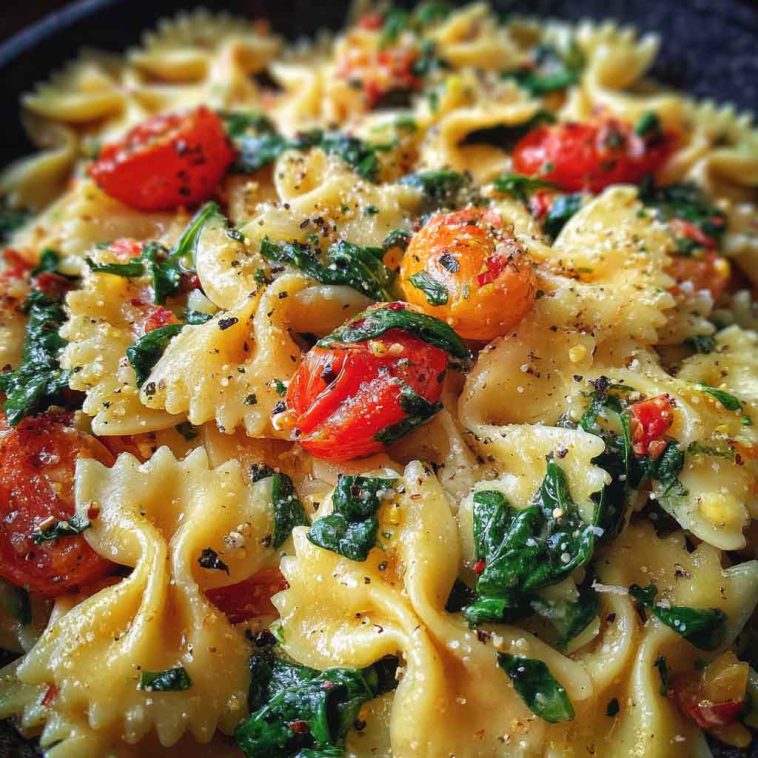
Bow-Ties of Flavor: Tomato Spinach Farfalle Pasta”
Bright, colorful, and bursting with freshness, tomato spinach farfalle pasta is a dish that brings vibrancy to the table. With juicy tomatoes, tender spinach, and hearty bow-tie pasta, it’s a recipe that feels both wholesome and indulgent. The playful shape of farfalle makes it fun to eat, while the simple preparation ensures it’s perfect for busy weeknights. Tossed in olive oil and finished with Parmesan, this pasta is a celebration of Mediterranean flavors—light yet satisfying, rustic yet elegant. It’s the kind of meal that instantly lifts your mood and fills your plate with sunshine.
What is Tomato Spinach Farfalle Pasta?
Tomato spinach farfalle pasta is a quick, nourishing dish that combines the sweetness of ripe tomatoes with the earthy freshness of spinach, all tossed with al dente bow-tie pasta. Farfalle, named for its butterfly-like shape, holds sauce beautifully, making each bite flavorful and balanced. The dish is often finished with olive oil, garlic, and Parmesan, creating a simple yet layered flavor profile. Popular in Mediterranean-inspired cooking, it’s a go-to recipe for those seeking a wholesome meal that doesn’t compromise on taste. Its versatility allows for endless variations—add grilled chicken for protein, swap spinach for kale, or use cherry tomatoes for extra sweetness. Loved for its ease and vibrant appeal, it’s a staple in kitchens worldwide.
Origins & Inspiration
The roots of tomato spinach farfalle pasta lie in Italy’s rich pasta tradition. Farfalle, meaning “butterflies” in Italian, originated in the Lombardy and Emilia-Romagna regions during the 16th century. Its distinctive bow-tie shape was designed to catch sauces and add visual charm to meals. Over time, farfalle became a favorite across Italy and beyond, celebrated for its versatility in both hot and cold dishes.
Tomatoes and spinach are quintessential Mediterranean ingredients. Tomatoes, introduced to Europe from the Americas in the 16th century, quickly became central to Italian cuisine. Spinach, cultivated in Europe since the Middle Ages, brought a fresh, earthy balance to many dishes. Together, they form a classic pairing: tomatoes provide bright acidity and sweetness, while spinach adds depth and nutrition.
In modern kitchens, this combination has become a symbol of quick, healthy cooking. Tomato spinach farfalle pasta embodies the Mediterranean philosophy of simple ingredients prepared with care, resulting in meals that are both flavorful and nourishing. It’s a dish that honors tradition while fitting seamlessly into contemporary lifestyles.
Flavor & Texture Profile
Tomato spinach farfalle pasta is a harmony of flavors and textures. Juicy tomatoes bring a sweet-tart brightness, while spinach contributes earthy freshness and a tender bite. The pasta itself, cooked al dente, offers a satisfying chew that contrasts beautifully with the softness of the vegetables. Garlic and olive oil add aromatic depth, while Parmesan lends a salty, nutty finish.
The overall flavor profile is light yet robust. Tomatoes provide acidity that balances the richness of olive oil, while spinach adds a subtle bitterness that keeps the dish grounded. The pasta acts as the canvas, absorbing the sauce and binding the ingredients together.
Texture is equally important: farfalle’s ridges and folds catch bits of tomato and spinach, ensuring every bite is flavorful. A drizzle of olive oil enhances silkiness, while a sprinkle of Parmesan adds a final layer of complexity. For extra balance, a squeeze of lemon juice can brighten the dish further, cutting through richness and elevating freshness.
Choosing the Right Ingredients
The quality of ingredients defines the dish. Fresh tomatoes deliver vibrant flavor, but canned tomatoes are a reliable alternative when fresh ones aren’t in season. Cherry or grape tomatoes add sweetness, while plum tomatoes provide a meatier texture.
Spinach choice matters too. Baby spinach is tender and mild, perfect for quick cooking. Mature spinach leaves, while more robust, require slightly longer sautéing and offer a stronger flavor.
Farfalle is the traditional pasta for this dish, but penne or fusilli can be substituted. Farfalle’s bow-tie shape, however, is ideal for catching bits of tomato and spinach, making it both functional and visually appealing.
Selecting the right combination ensures balance: fresh tomatoes for brightness, baby spinach for tenderness, and farfalle for texture. Together, they create a dish that feels both rustic and refined.
Cooking Techniques
Cooking tomato spinach farfalle pasta is about timing and layering flavors. Start by boiling pasta in salted water until al dente—firm yet tender. Reserve a cup of pasta water before draining; this starchy liquid is key to creating a silky sauce.
In a skillet, sauté garlic in olive oil until fragrant. Add tomatoes and cook until they soften and release juices, forming a light sauce. Season with salt, pepper, and herbs like basil or oregano. Add spinach last, allowing it to wilt gently without overcooking.
Toss the drained pasta directly into the skillet with the tomato-spinach mixture. Add reserved pasta water gradually, stirring until the sauce clings to the pasta. This technique ensures even coating and enhances flavor integration.
Finish with a drizzle of extra virgin olive oil and a sprinkle of Parmesan. For added depth, a squeeze of lemon juice brightens the dish, balancing richness with acidity.
Expert Tip: Always reserve pasta water—it’s the secret to transforming a simple sauté into a cohesive, restaurant-quality sauce.
Ingredients
Base
- 12 oz (340 g) farfalle pasta
- 2 tbsp olive oil
- 3 cloves garlic, minced
- 1 medium onion, finely diced
Vegetables
- 2 cups cherry or grape tomatoes, halved (or 1 can diced tomatoes)
- 4 cups fresh baby spinach
- 1 tsp dried basil (or 2 tbsp fresh)
- ½ tsp dried oregano
Finishing Touches
- ½ cup grated Parmesan cheese
- Salt & black pepper, to taste
- Optional: squeeze of lemon juice for brightness
Step-by-Step Instructions
1. Cook the Pasta
Bring a large pot of salted water to a boil. Add farfalle and cook until al dente (firm but tender), about 10–11 minutes. Reserve 1 cup of pasta water before draining.
2. Sauté Aromatics
In a large skillet, heat olive oil over medium heat. Add onion and cook until softened, about 5 minutes. Stir in garlic and cook for 1 minute until fragrant.
3. Build the Sauce
Add tomatoes to the skillet. Cook until they soften and release juices, about 7–8 minutes. Season with basil, oregano, salt, and pepper.
4. Add Spinach
Stir in spinach and cook until just wilted, 2–3 minutes.
5. Toss with Pasta
Add drained farfalle to the skillet. Pour in reserved pasta water gradually, tossing until the sauce clings to the pasta.
6. Finish & Serve
Remove from heat. Drizzle with extra olive oil, sprinkle with Parmesan, and add a squeeze of lemon juice if desired. Serve warm.
Tips & Variations
- Protein Boost: Add grilled chicken, shrimp, or chickpeas.
- Dairy-Free: Swap Parmesan for nutritional yeast.
- Extra Veggies: Bell peppers, zucchini, or mushrooms make great additions.
- Cold Version: Chill and serve as a pasta salad with fresh basil and mozzarella.
Serving Suggestions
- Simple Elegance: Serve warm in shallow bowls, topped with extra Parmesan and a drizzle of olive oil.
- Family Style: Present in a large platter with fresh basil leaves scattered on top for a rustic, inviting look.
- Light Meal: Pair with a side of garlic bread or bruschetta for a balanced dinner.
- Cold Option: Chill leftovers and serve as a pasta salad with mozzarella pearls and balsamic glaze.
Pairings
- Wine: A crisp Pinot Grigio or Sauvignon Blanc complements the acidity of tomatoes. For a richer version, a light Chianti works beautifully.
- Beer: A refreshing pilsner or wheat beer balances the earthy spinach and sweet tomatoes.
- Non-Alcoholic: Sparkling water with lemon or a chilled herbal iced tea adds brightness without overpowering the dish.
Storage Tips
- Refrigeration: Store in an airtight container for up to 3 days. Reheat gently with a splash of olive oil or reserved pasta water.
- Freezing: Best enjoyed fresh, but can be frozen without spinach for up to 1 month. Add fresh spinach after reheating.
- Meal Prep: Portion into containers for quick lunches. This pasta holds up well for next-day meals.
Recipe Notes
- Tomato Choice: Fresh cherry tomatoes give sweetness, while canned tomatoes provide convenience.
- Spinach Tip: Add spinach at the very end to preserve color and nutrients.
- Pasta Water: Always reserve some—it’s the secret to a silky, restaurant-style sauce.
- Variations: Add grilled chicken, shrimp, or chickpeas for protein; swap spinach for arugula for a peppery twist.
Tomato Spinach Farfalle Pasta Recipe – Easy Healthy Dinner
Equipment
- Large pot for boiling pasta
- Skillet or sauté pan
- Cutting board & knife
- Wooden spoon
- Measuring cups & spoons
Ingredients
- 12 oz (340 g) farfalle pasta
- 2 tbsp olive oil
- 3 cloves garlic, minced
- 1 medium onion, diced
- 2 cups cherry or grape tomatoes, halved (or 1 can diced tomatoes)
- 4 cups fresh baby spinach
- 1 tsp dried basil (or 2 tbsp fresh)
- ½ tsp dried oregano
- ½ cup grated Parmesan cheese
- Salt & black pepper, to taste
- Optional: squeeze of lemon juice
Instructions
- Cook Pasta: Boil farfalle in salted water until al dente (10–11 minutes). Reserve 1 cup pasta water, then drain.
- Sauté Aromatics: Heat olive oil in skillet. Add onion, cook 5 minutes. Stir in garlic, cook 1 minute.
- Build Sauce: Add tomatoes, cook until softened and juicy (7–8 minutes). Season with basil, oregano, salt, and pepper.
- Add Spinach: Stir in spinach, cook until wilted (2–3 minutes).
- Combine: Toss pasta into skillet with sauce. Add reserved pasta water gradually until sauce clings to pasta.
- Finish: Drizzle with olive oil, sprinkle Parmesan, and add lemon juice if desired. Serve warm.
Notes
- Tomatoes: Fresh cherry tomatoes give sweetness; canned tomatoes are convenient.
- Spinach: Baby spinach is tender; mature leaves need longer cooking.
- Pasta Water: Essential for silky sauce—don’t skip it.
- Variations: Add grilled chicken, shrimp, or chickpeas for protein. Swap spinach for arugula for a peppery twist.
- Storage: Keeps 3 days refrigerated. Best enjoyed fresh; reheating may require extra olive oil or broth.