
 Laura Mariano
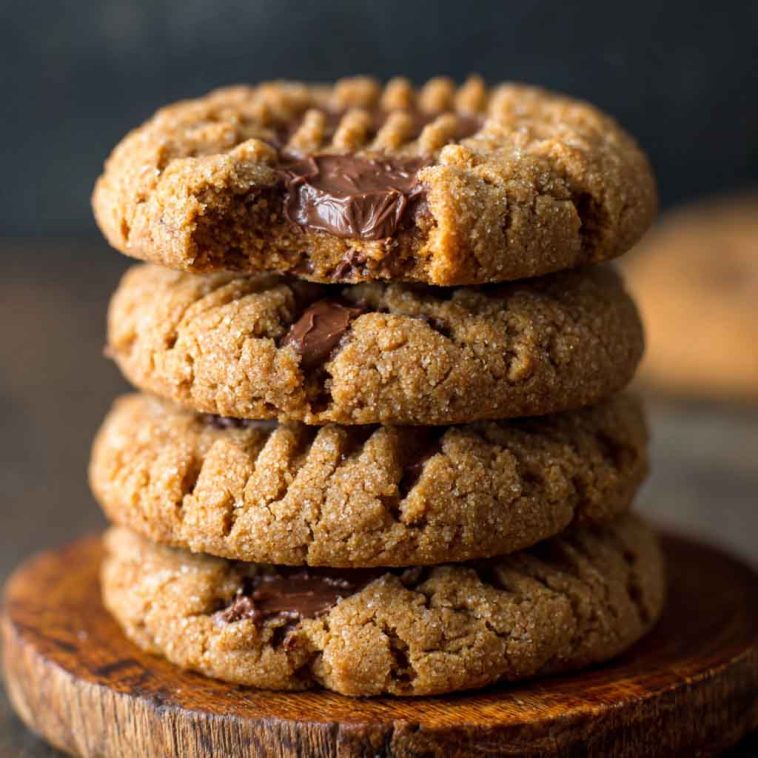
Why Thick and Chewy Peanut Butter Cookies Are a Classic
Few things feel as comforting as biting into a warm, homemade peanut butter cookie. The aroma alone takes us back to childhood kitchens, after-school snacks, or holiday baking traditions. But not all peanut butter cookies are created equal—some are crisp and crumbly, while others are soft, thick, and irresistibly chewy with golden edges and tender centers. It’s this perfect texture that makes them truly unforgettable.
What makes these cookies so special is their versatility. They’re equally at home as an everyday treat tucked into a lunchbox, a quick after-dinner dessert, or a festive addition to a holiday cookie platter. With just the right balance of nutty richness and sweetness, they’re a treat that appeals to all ages.
In this guide, you’ll discover the secrets behind their chewy texture, a breakdown of essential ingredients, step-by-step baking tips, creative variations, and the best way to store them for lasting freshness.
What Makes Peanut Butter Cookies “Thick and Chewy”?
The secret to a thick and chewy peanut butter cookie lies in the balance of ingredients and baking technique. Chewiness comes from moisture retention, which is why recipes with higher amounts of brown sugar, eggs, and fat tend to yield softer, denser cookies. Brown sugar, in particular, contains molasses, which not only deepens flavor but also locks in moisture, preventing cookies from drying out.
On the other hand, white sugar promotes spread and crispiness, which is why using a combination of both creates the ideal texture—structured yet tender. Fat content plays a crucial role as well: butter adds flavor and richness, while peanut butter provides that signature nutty chew.
Technique is equally important. Chilling the dough before baking helps prevent excessive spreading, ensuring that cookies stay thick while developing chewy centers. Baking at the right temperature (typically around 350°F/175°C) also makes a difference: too hot, and they over-bake; too cool, and they spread too thin.
In short, chewy peanut butter cookies come from careful control of ingredients and patience with the process. When balanced correctly, the result is a cookie with a golden edge, a tender middle, and plenty of peanut butter goodness in every bite.
Ingredient Breakdown & Why Each One Matters
Every ingredient in a chewy peanut butter cookie serves a specific purpose, and understanding how they work together helps you achieve bakery-level results at home.
-
Peanut Butter: Creamy peanut butter is the go-to for smooth texture, while chunky adds delightful crunch. Regular brands (like Jif or Skippy) perform more consistently than natural peanut butter, which separates and can cause spreading unless the recipe is adjusted.
-
Sugar: White sugar provides structure and crispness, while brown sugar brings moisture, chewiness, and depth of flavor thanks to molasses. A higher ratio of brown sugar is the key to soft centers.
-
Flour: All-purpose flour is best, but it’s easy to over-measure, leading to dry cookies. Spoon flour into the measuring cup and level it off for accuracy. Too much flour makes cookies cakey instead of chewy.
-
Eggs: Eggs act as binders, adding richness and helping retain moisture. One large egg is usually standard, though some recipes add an extra yolk for extra chew.
-
Leavening Agents: Baking soda encourages spreading and tenderness, while baking powder adds slight lift. Most recipes favor baking soda alone for chewier cookies.
-
Butter: Softened butter beats easily with sugar, creating air pockets for lightness. Melted butter can make cookies denser and chewier, so the choice depends on your preference.
-
Salt & Vanilla Extract: Salt balances the sweetness and sharpens the nutty flavor. Vanilla enhances depth and warmth, rounding out the taste.
-
Optional Add-Ins: Mix-ins like chocolate chips, chopped peanuts, or even peanut butter cups can transform a classic batch into something extra indulgent.
Mastering this balance ensures cookies that are soft, chewy, and full of rich peanut butter flavor every time.
Essential Tools for the Perfect Cookies
While peanut butter cookies don’t require complicated equipment, a few tools make the process smoother and ensure consistent results:
-
Mixing Bowls & Mixer: A stand or hand mixer helps cream butter, sugar, and peanut butter together thoroughly, though a sturdy spoon works in a pinch.
-
Cookie Scoop: For uniform size and even baking, a medium cookie scoop is a baker’s best friend.
-
Baking Sheets: Use light-colored, rimmed sheets lined with parchment paper or silicone baking mats to prevent sticking and encourage even browning.
-
Cooling Racks: Essential for allowing cookies to firm up without over-baking from residual heat on the pan.
-
Storage Containers: Airtight containers keep cookies soft and chewy for days, while freezer bags are perfect for long-term storage.
With these tools, you’ll have everything needed to bake cookies that look as good as they taste.
Step-by-Step Instructions
-
Cream the Wet Ingredients: Beat together softened butter, peanut butter, and sugars until light and fluffy. This step incorporates air, ensuring a tender crumb.
-
Add Eggs & Vanilla: Mix in the egg and vanilla extract, blending until smooth.
-
Incorporate Dry Ingredients: Whisk flour, baking soda, and salt separately before gradually adding to the wet mixture. Mix just until combined to avoid toughness.
-
Chill the Dough: Cover and refrigerate for at least 30 minutes. This step prevents spreading and creates thicker cookies.
-
Scoop & Space: Use a cookie scoop to portion dough evenly onto lined baking sheets, leaving room for spreading.
-
Bake: Bake at 350°F (175°C) for 9–11 minutes, until edges are golden but centers appear slightly underbaked. They’ll continue to set as they cool.
-
Cool Properly: Let cookies rest on the sheet for 5 minutes before transferring to a cooling rack.
Following these steps ensures cookies that are thick, chewy, and packed with peanut butter flavor.
Common Mistakes to Avoid
Even simple recipes can go wrong without a few precautions:
-
Overmixing the Dough: Too much mixing after flour is added develops excess gluten, making cookies tough instead of chewy.
-
Overbaking: Cookies should look slightly soft in the center when removed from the oven. They firm up as they cool, so baking until “done” can result in dryness.
-
Skipping Chill Time: Dough that isn’t chilled spreads too quickly in the oven, leading to thin, flat cookies instead of thick, chewy ones.
-
Using Natural Peanut Butter: Unless adjusted, natural peanut butter causes inconsistent results due to oil separation. Stick with shelf-stable brands for best texture.
Avoiding these pitfalls ensures consistent, bakery-worthy peanut butter cookies every single time.
Flavor Variations & Creative Twists
One of the best things about peanut butter cookies is how adaptable they are. Once you’ve mastered the classic thick and chewy version, you can get creative with flavor upgrades that suit different occasions and cravings.
-
Chocolate Chip Peanut Butter Cookies: Stir in semi-sweet or dark chocolate chips for a sweet-and-salty twist that’s always a crowd-pleaser.
-
Double Peanut Butter: Add chopped peanuts or mini peanut butter cups to intensify the nutty goodness.
-
Peanut Butter & Jelly Cookies: Press a thumbprint into each dough ball before baking and fill with your favorite jam for a nostalgic PB&J treat.
-
Oatmeal Peanut Butter Cookies: Mix in rolled oats for added chew and texture—perfect for a heartier cookie.
-
Peanut Butter S’mores Cookies: Fold in mini marshmallows, graham cracker bits, and chocolate chunks for a fun campfire-inspired variation.
-
Spiced Peanut Butter Cookies: Add a pinch of cinnamon or nutmeg to the dough for warmth and depth, especially during fall and winter months.
-
Gluten-Free Option: Use a 1:1 gluten-free flour blend or try flourless peanut butter cookies (using just peanut butter, sugar, and eggs) for an ultra-rich, naturally chewy version.
These variations not only keep your cookie jar exciting but also allow you to tailor the recipe to holidays, parties, or personal preferences. A simple base recipe becomes a canvas for endless flavor combinations, ensuring you’ll never get bored of baking (or eating) peanut butter cookies.
Storage Tips: Keeping Cookies Fresh & Chewy
The key to enjoying peanut butter cookies for days after baking is proper storage. Because they’re naturally soft and chewy, they can dry out quickly if left exposed.
-
Room Temperature: Store cooled cookies in an airtight container at room temperature for up to 5 days. To keep them extra soft, place a slice of bread inside the container—the cookies will absorb its moisture, staying tender longer.
-
Freezing Dough: For fresh cookies on demand, scoop unbaked dough balls onto a tray, freeze until solid, then transfer to a freezer bag. They’ll keep for up to 3 months. Bake directly from frozen, adding 1–2 extra minutes to the baking time.
-
Freezing Baked Cookies: Already baked cookies can also be frozen. Wrap them individually in plastic wrap, then store in a freezer-safe bag for up to 2 months. Thaw at room temperature or warm gently in the microwave for that fresh-baked taste.
By using these storage methods, you’ll always have chewy, peanut-buttery goodness ready whenever cravings strike—whether fresh from the oven or pulled from the freezer.
Nutrition & Serving Ideas
While peanut butter cookies are certainly an indulgence, they also offer a bit of nutritional value thanks to peanut butter’s protein and healthy fats. On average, one thick and chewy cookie contains about:
-
Calories: 180–220 (depending on size)
-
Carbohydrates: 20–25 g
-
Protein: 4–5 g
-
Fat: 9–12 g
These cookies are rich, so they’re best enjoyed in moderation as part of a balanced diet. Pairing one with a glass of cold milk makes for a nostalgic snack, while serving them alongside coffee or tea elevates them into an afternoon treat.
For special occasions, you can sandwich two cookies with chocolate ganache or buttercream for an extra-decadent dessert. Or crumble them over vanilla ice cream to create a quick peanut butter sundae topping.
Whether you’re baking for family, friends, or just yourself, these cookies prove that comfort food can be both simple and extraordinary.
FAQs: Your Peanut Butter Cookie Questions Answered
Q: Why do my peanut butter cookies turn out dry?
A: Dry cookies usually result from overbaking or adding too much flour. Be sure to measure flour correctly and remove cookies when the centers still look slightly soft.
Q: Can I use natural peanut butter?
A: Yes, but you’ll need to adjust the recipe. Natural peanut butter tends to separate and can cause spreading. Stir well before using and consider adding an extra tablespoon of flour to stabilize the dough.
Q: Do I need to chill the dough?
A: Chilling isn’t always required, but it’s highly recommended. It prevents spreading, ensuring thicker, chewier cookies with concentrated flavor.
Q: Can I make these cookies ahead of time?
A: Absolutely. Peanut butter cookies keep well at room temperature for several days, and both dough and baked cookies freeze beautifully.
Q: Why do some recipes call for a crisscross pattern on top?
A: The fork crisscross is a traditional hallmark of peanut butter cookies. Originally, it helped the dense dough flatten and bake evenly. For chewy cookies, pressing lightly works best—you don’t want to flatten them too much.
Q: How do I make my cookies extra chewy?
A: Use more brown sugar than white sugar, avoid overmixing, and slightly underbake. Adding an extra egg yolk can also boost chewiness.
Q: Can I double the recipe?
A: Yes, just be sure to use a large enough mixing bowl and refrigerate the dough in batches if needed.
These FAQs cover the most common hurdles bakers face, ensuring your cookies turn out thick, chewy, and irresistible every time.
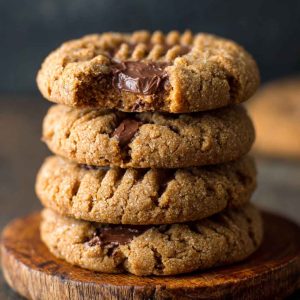
Thick and Chewy Peanut Butter Cookies – Soft, Rich & Irresistible
Equipment
- Mixing bowls
- Hand or stand mixer
- Measuring cups & spoons
- Cookie scoop
- Baking sheets
- Parchment paper or silicone baking mat
- Cooling rack
Ingredients
- 1/2 cup (1 stick) unsalted butter, softened
- 3/4 cup creamy peanut butter (not natural)
- 1/2 cup granulated sugar
- 1 cup light brown sugar, packed
- 1 large egg
- 1 tsp vanilla extract
- 1 1/2 cups all-purpose flour
- 1 tsp baking soda
- 1/4 tsp salt
- Optional add-ins: 1/2 cup chocolate chips, chopped peanuts, or mini peanut butter cups
Instructions
- Cream Wet Ingredients: In a large mixing bowl, beat butter, peanut butter, granulated sugar, and brown sugar until light and fluffy.
- Add Egg & Vanilla: Mix in the egg and vanilla until smooth.
- Combine Dry Ingredients: In a separate bowl, whisk together flour, baking soda, and salt. Gradually add to the wet mixture, mixing just until combined.
- Chill Dough: Cover and refrigerate dough for at least 30 minutes.
- coop & Shape: Using a cookie scoop, portion dough onto lined baking sheets, leaving 2 inches between each cookie. Optionally press lightly with a fork for a crisscross pattern.
- Bake: Bake at 350°F (175°C) for 9–11 minutes, until edges are golden and centers look slightly underbaked.
- Cool: Let cookies rest on the pan for 5 minutes before transferring to a cooling rack.
Notes
- Extra Chewy Tip: Use more brown sugar than white sugar and slightly underbake for maximum softness.
- Make Ahead: Freeze unbaked dough balls for up to 3 months. Bake directly from frozen, adding 1–2 extra minutes.
- Storage: Keep in an airtight container at room temperature for up to 5 days. Place a slice of bread in the container to maintain softness.
- Variations: Add chocolate chips, chopped nuts, or swirl in jam for peanut butter & jelly cookies.