

 Laura Mariano
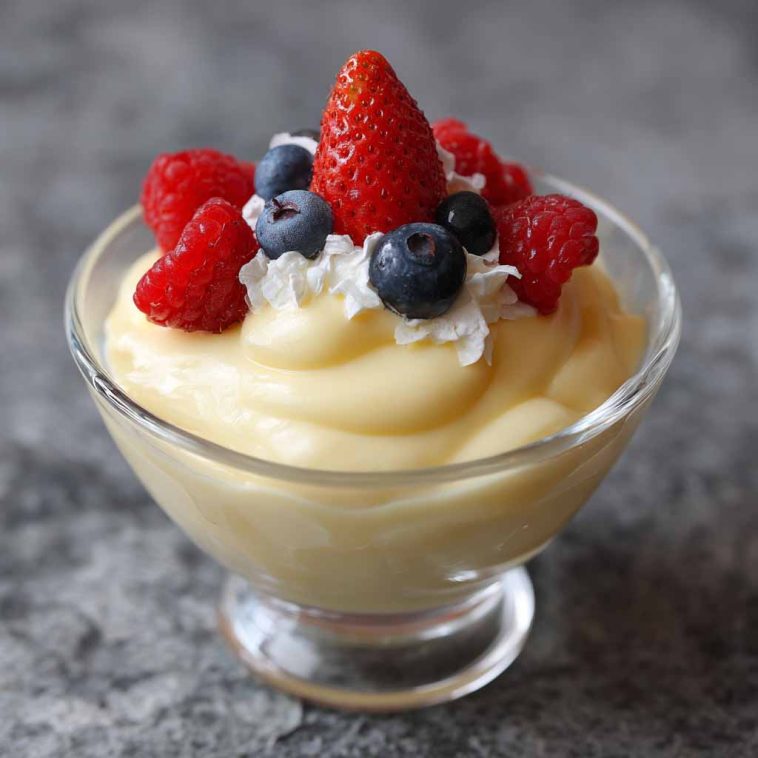
What Is Bavarian Cream and Why It’s a Timeless Dessert Classic
Brief, inviting overview of Bavarian Cream as a luscious, silky custard-based dessert beloved worldwide
Highlight its rich yet light texture that sets it apart from other desserts
Historical ties blending French pastry elegance and Bavarian roots in Germany
Why it’s a staple in pastry shops and home kitchens—versatile, elegant, and crowd-pleasing
Promise to readers: a foolproof guide to mastering this classic dessert with expert tips for perfect results every time
History & Origin of Bavarian Cream
-
Evolution from custards and mousses of French haute cuisine and German influence
-
Explanation of the name “Bavarian Cream” and its connection to Bavaria, Germany
-
Its rise to popularity as an elegant dessert in European pastry culture
-
Famous dishes and pastries incorporating Bavarian Cream: charlottes, cakes, tarts, and trifles
-
How Bavarian Cream bridges traditional custards and modern light desserts
Key Ingredients & Their Functions Explained
-
Whole milk and cream: create the rich, creamy base essential for silkiness and mouthfeel
-
Egg yolks: natural thickener providing richness and smooth custard texture
-
Sugar: balances the custard’s natural richness with sweetness, not overpowering
-
Gelatin: the crucial setting agent that gives Bavarian Cream its signature delicate, smooth firmness
-
Vanilla or other flavorings: the aromatic foundation that elevates the flavor (e.g., vanilla bean, citrus zest, coffee)
-
Whipped cream: folded in at the end for lightness, volume, and airy texture
-
Pro Tip: Properly bloom gelatin (softening it in cold water) to avoid lumps and ensure smooth incorporation
-
Pro Tip: Gently fold whipped cream to keep the dessert airy and prevent deflation
Essential Equipment Needed
-
Saucepan for gently heating milk and cooking custard
-
Mixing bowls (preferably chilled) for whipping cream and mixing custard
-
Whisk and flexible spatula for combining ingredients and folding cream
-
Instant-read thermometer or candy thermometer to monitor custard temperature precisely
-
Mold, ramekins, or elegant serving glasses for setting and presentation
-
Optional: fine mesh sieve for straining custard for the smoothest texture
Step-by-Step Guide: How to Make Classic Bavarian Cream
-
Bloom gelatin: soak gelatin in cold water until soft (5 minutes)
-
Heat milk: warm milk slowly in saucepan just until steaming (avoid boiling)
-
Whisk yolks and sugar: until pale and slightly thickened
-
Temper yolks: gradually add hot milk into yolks while whisking to avoid curdling
-
Cook custard: return mixture to saucepan; cook gently until thickened (~170°F/77°C) and coats the back of a spoon
-
Add gelatin: stir in softened gelatin immediately to dissolve completely
-
Strain custard (optional): pass through sieve for extra smoothness
-
Cool custard: stir occasionally and cool to ~70°F (21°C), preventing skin formation
-
Whip cream: beat cream to soft peaks (firm but pliable)
-
Fold cream: gently fold whipped cream into custard in batches, preserving airiness
-
Add vanilla: stir in vanilla extract or seeds
-
Pour and chill: transfer to molds or serving dishes and refrigerate 4+ hours or overnight to set
-
Serving tips: check firmness and unmold if desired or serve straight from glass with fruit or sauce
Delicious Bavarian Cream Variations to Try
-
Fruit-Flavored Bavarian Cream:
-
Incorporate fresh fruit purees like strawberry, raspberry, or mango for natural sweetness and color
-
Use citrus zests (lemon, orange) to add bright, tangy notes
-
-
Chocolate Bavarian Cream:
-
Melt high-quality dark or milk chocolate into the custard base or fold in cocoa powder for a rich, decadent twist
-
-
Coffee or Caramel Infused Cream:
-
Infuse cream or custard with espresso or caramel syrup for sophisticated flavors
-
-
Alcohol-Infused Versions:
-
Add a splash of liqueurs like Grand Marnier, rum, or coffee liqueur for adult-friendly desserts
-
-
Vegan or Gelatin-Free Alternatives:
-
Use agar-agar or pectin as plant-based setting agents
-
Substitute dairy with coconut cream or nut milks
-
Tips on texture differences and setting times for these alternatives
-
How to Serve & Present Bavarian Cream Elegantly
-
Classic unmolded presentation: set Bavarian Cream in decorative molds and serve with fresh fruit garnishes like berries, sliced peaches, or mint leaves
-
Layered desserts: use Bavarian Cream as a filling for trifles, parfaits, or layered cakes for stunning visual appeal and textural contrast
-
Toppings: whipped cream, chocolate shavings, toasted nuts, or fruit coulis elevate presentation
-
Pairing suggestions: light desserts pair well with dessert wines like Moscato or a rich coffee for balanced indulgence
Storage, Shelf Life & Make-Ahead Tips
-
Refrigeration: Store Bavarian Cream covered in the fridge; it stays fresh for about 3–4 days without texture loss
-
Freezing: Generally not recommended as freezing can affect the delicate texture, causing separation or graininess
-
Make-Ahead: Prepare Bavarian Cream up to 24 hours in advance to allow flavors to meld and texture to fully set—ideal for parties and special occasions
-
Tips: Use airtight containers or plastic wrap directly on the surface to prevent skin formation and odors absorption
Troubleshooting Common Issues & Expert Tips
-
Too runny: Often due to insufficient gelatin or not allowing enough setting time
-
Too firm: Excess gelatin or overheating custard can cause an overly stiff texture
-
Lumps or grainy texture: Improper gelatin blooming or curdled custard—always bloom gelatin fully and temper eggs carefully
-
Rescue tips: Gently reheat and whisk to smooth out lumps, or repurpose into parfaits or layered desserts if texture isn’t perfect
FAQs — What People Also Ask About Bavarian Cream
-
What is the difference between Bavarian Cream and pastry cream?
-
Bavarian Cream is custard set with gelatin and lightened with whipped cream; pastry cream is thicker and cooked without gelatin
-
-
Can you make Bavarian Cream without gelatin?
-
Yes, using agar-agar or other plant-based gelling agents as substitutes
-
-
How long does Bavarian Cream need to set?
-
Typically at least 4 hours, preferably overnight for best texture
-
-
Is Bavarian Cream the same as Bavarois?
-
Yes, “Bavarois” is the French term for Bavarian Cream
-
-
What desserts use Bavarian Cream?
-
Charlottes, trifles, mousse cakes, tarts, and layered parfaits
-
-
Can Bavarian Cream be frozen?
-
Freezing is possible but may affect texture and is generally not recommended
-

Classic Bavarian Cream
Equipment
- Saucepan
- Mixing bowls
- Whisk
- Spatula
- Thermometer (optional but recommended)
- Molds or serving glasses
- Electric mixer or hand mixer for whipping cream
Ingredients
- 2 cups whole milk
- 1 cup heavy cream, chilled
- 4 large egg yolks
- ¾ cup granulated sugar
- 2 teaspoons pure vanilla extract (or vanilla bean paste)
- 2 teaspoons unflavored gelatin powder
- 3 tablespoons cold water (for blooming gelatin)
Instructions
- Bloom the Gelatin: Sprinkle gelatin over cold water in a small bowl. Let it sit for 5–10 minutes until softened.
- Make Custard Base: In a saucepan, heat the milk just until steaming (do not boil). In a separate bowl, whisk egg yolks and sugar until pale. Slowly temper the egg yolks by adding warm milk in a thin stream while whisking constantly.
- Cook Custard: Return the mixture to the saucepan. Cook over low heat, stirring constantly, until it thickens slightly and coats the back of a spoon (about 170°F/77°C). Do not let it boil.
- Add Gelatin: Remove custard from heat, stir in bloomed gelatin until completely dissolved. Add vanilla extract.
- Cool Custard: Pour custard into a bowl and let cool to room temperature, stirring occasionally to prevent skin from forming.
- Whip Cream: Whip heavy cream to soft peaks using a mixer.
- Fold Cream: Gently fold whipped cream into cooled custard in batches, preserving airiness.
- Set: Pour mixture into molds or serving glasses. Refrigerate for at least 4 hours or overnight until set and firm.
- Serve: Unmold if desired and garnish with fresh fruit, chocolate shavings, or a drizzle of fruit coulis.
Notes
- Bloom gelatin carefully: Use cold water and allow gelatin to fully absorb moisture before adding to warm custard to avoid lumps.
- Temper eggs slowly: Adding hot milk gradually to egg yolks prevents curdling.
- Do not overheat custard: Keep temperature below boiling to avoid grainy texture.
- Folding technique: Fold whipped cream gently to keep the cream light and airy.
- Variations: Add fruit purees, chocolate, or flavored liqueurs to customize your Bavarian Cream.
- Make-ahead: Prepare a day in advance for best flavor and texture.
- Storage: Keep refrigerated and consume within 3–4 days for optimal freshness.