

 Laura Mariano
Why Filet Mignon Is the Crown Jewel of Steaks
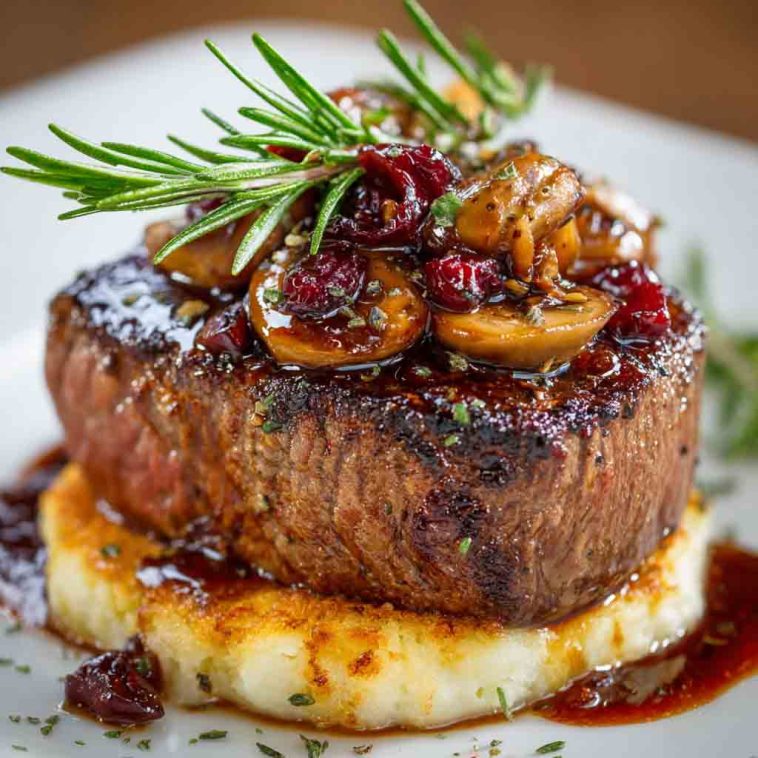
When it comes to steak lovers, few cuts inspire as much admiration and anticipation as the filet mignon. Often called the “crown jewel” of steaks, filet mignon is prized for its unparalleled tenderness and refined, buttery flavor. Unlike other beef cuts that emphasize bold, beefy notes, filet mignon stands out with its melt-in-your-mouth texture that feels like a luxury on the palate.
Perfect for special occasions or simply treating yourself to a gourmet experience, filet mignon’s delicate nature and elegant appearance make it a favorite among chefs and home cooks alike.
In this article, you’ll discover everything you need to know about choosing, preparing, and cooking the perfect filet mignon. Whether you’re a seasoned cook or a steak newbie, get ready to master a foolproof method that brings restaurant-quality filet mignon right to your dinner table.
Understanding Filet Mignon: Cut, Origin, and Characteristics
Filet mignon comes from the tenderloin — a small, cylindrical muscle located along the spine of the cow. This muscle does very little work, which is why the meat is exceptionally tender compared to more exercised parts like the ribeye or strip steak.
Unlike the richly marbled ribeye or the robust strip, filet mignon is leaner, with a fine-grained texture and minimal fat. Its thickness typically ranges from 1.5 to 2 inches, with individual steaks weighing between 6 and 8 ounces, making them perfectly portioned for an indulgent meal.
The flavor profile of filet mignon is mild and buttery, lacking the intense beefiness some prefer but offering a soft, almost velvety taste. Because of this, it’s often paired with sauces like béarnaise or finished with herb butter to elevate its subtle richness.
What sets filet mignon apart is its luxurious tenderness — each bite effortlessly melts, creating an elegant and satisfying experience that’s hard to match.
Choosing the Perfect Filet Mignon: What to Look For
When selecting filet mignon, beef grading plays a major role in determining quality. USDA Prime beef is the gold standard, featuring excellent marbling that enhances juiciness and flavor — especially important for the naturally lean filet. USDA Choice is a solid alternative, while Select tends to be leaner and less flavorful.
Marbling — the thin streaks of fat within the meat — is critical here. Even though filet mignon is known for being lean, a touch of marbling helps keep it juicy during cooking. Look for steaks with fine, evenly distributed fat.
Thickness matters, too. Steaks between 1.5 and 2 inches thick strike the perfect balance: thick enough to develop a flavorful crust while cooking evenly inside. Anything thinner risks drying out or overcooking quickly.
Another factor is aging. Dry-aged filet mignon is prized for a deeper, nuttier flavor and improved tenderness, thanks to controlled dehydration and enzymatic breakdown. However, it can be pricier and less commonly available.
Where you buy your filet also matters. Local butchers and specialty meat markets often provide the best quality and can offer guidance. Reputable online meat purveyors are also great options, especially if you want dry-aged cuts delivered right to your door.
Visually inspect the meat: it should be bright red with a slight sheen, firm to the touch, and without excessive liquid pooling in the packaging.
Essential Equipment & Tools for Cooking Filet Mignon
To cook filet mignon perfectly, the right tools make all the difference.
A heavy skillet or cast iron pan is ideal for heat retention, helping you achieve that coveted caramelized crust without losing temperature when the steak hits the pan.
Use kitchen tongs rather than forks to flip steaks — this prevents puncturing the meat and losing precious juices.
An instant-read meat thermometer is a must-have for precision, so you can cook to your preferred doneness without guessing.
Whether finishing steaks in the oven or on the grill, having these options ensures flexibility.
Finally, a resting rack or plate helps the steak rest evenly after cooking, allowing juices to redistribute for optimal tenderness.
Preparing Filet Mignon: Seasoning & Pre-Cooking Tips
Less is often more when it comes to seasoning filet mignon. A generous sprinkle of kosher salt and freshly cracked black pepper enhances the natural flavors without overpowering its delicate profile. Fresh herbs like rosemary or thyme can be added for subtle aromatic notes if you like.
Bringing the steak to room temperature before cooking is essential. It ensures even cooking and prevents the exterior from overcooking while the center remains too rare. Simply set your steaks out for about 30 to 45 minutes before cooking.
Patting the filet dry with paper towels before seasoning is key — moisture on the surface can prevent a proper sear and cause steaming instead of caramelization.
If you enjoy extra flavor, a simple marinade or dry rub can be used, but keep it light and balanced so it complements rather than masks the steak’s natural taste.
Pro Tip: Season your steaks at least 30 minutes ahead of cooking or just before you start to allow salt to penetrate the meat and enhance flavor and texture.
Letting the steaks rest after seasoning, but before cooking, helps retain moisture and ensures every bite is juicy.
Cooking Techniques: Pan-Searing, Oven Roasting, and Grilling
Pan-searing is a classic go-to method for filet mignon. Start by heating your skillet over high heat until it’s smoking hot. Add a touch of oil with a high smoke point, like avocado or grapeseed oil. Sear each side for about 2 to 3 minutes without moving the steak to form a rich, golden-brown crust.
For thicker cuts, transfer the skillet to a preheated oven at 400°F (200°C) to finish cooking gently and evenly. This helps achieve perfect doneness without burning the outside.
If you prefer grilling, preheat the grill to high heat. Place steaks on the grates, sear for 2 to 3 minutes per side, and flip only once for ideal grill marks.
Use an instant-read thermometer to monitor the internal temperature: rare (120–125°F), medium-rare (130–135°F), and medium (140–145°F). Remove the steak from heat about 5 degrees before your target temperature, as carryover cooking will finish the job.
Avoid common pitfalls like overcooking (leading to dryness), under-searing (missing that flavorful crust), and cooking on too low or uneven heat.
Gourmet Enhancements: Sauces, Butters & Toppings
Elevate your filet mignon dinner with luscious sauces and flavorful toppings that complement the steak’s tender, mild character.
Classic sauces like red wine reduction bring deep, rich notes with a glossy finish. A simple pan sauce made by deglazing the skillet with red wine, beef stock, and a touch of butter adds elegance. Béarnaise sauce, with its tangy tarragon and buttery hollandaise base, is a beloved French companion for filet. For earthier richness, a mushroom demi-glace combines sautéed mushrooms with a reduced beef stock for an umami-packed glaze.
Compound butters are an easy way to add bursts of flavor and silkiness. Garlic herb butter — blended with fresh parsley, chives, and a hint of lemon zest — melts beautifully over a hot steak. Blue cheese butter offers a tangy, creamy punch, while truffle butter brings luxury and decadence for special occasions.
For fresh toppings, caramelized onions lend a sweet-savory contrast. Sautéed wild mushrooms add an earthy depth, while crispy shallots bring a crunchy texture and mild sharpness.
Presentation tip: Serve filet mignon sliced on a warm plate, topped with a dollop of compound butter or a drizzle of sauce, garnished with fresh herbs like thyme or parsley. Pair it with a few artfully arranged sides to create an elegant, restaurant-worthy plate at home.
Perfect Sides & Wine Pairings for Filet Mignon
A great filet mignon deserves sides that balance richness without overpowering the steak’s delicate flavor.
Classic sides include creamy mashed potatoes, made with butter and cream for a dreamy texture. Roasted asparagus spears add a slightly smoky, crisp bite. Gratin dauphinois — thinly sliced potatoes baked in cream and cheese — is a luxurious, comforting choice.
For lighter options, an arugula salad dressed with lemon vinaigrette provides a peppery freshness that cuts through the richness. Grilled seasonal vegetables like zucchini, bell peppers, or carrots bring natural sweetness and color.
Pairing wine with filet mignon is about complementing its subtle flavor and silky texture. Cabernet Sauvignon is a popular match, offering bold tannins that contrast the tenderness. Merlot brings softer fruit notes for an easy-drinking option. For a lighter red, Pinot Noir’s earthiness and bright acidity harmonize beautifully.
For non-alcoholic options, sparkling water with a slice of lemon or lime refreshes the palate. Herbal teas such as chamomile or mint offer gentle aromas and soothing warmth.
Storage, Reheating & Leftover Ideas
If you have leftover filet mignon, proper storage is key to maintaining quality. Wrap steaks tightly in plastic wrap or place in an airtight container, then refrigerate within two hours of cooking. Leftovers last up to 3–4 days in the fridge.
When reheating, avoid the microwave which can dry the meat out. Instead, gently warm the steak in a low oven (around 250°F or 120°C) until heated through, or quickly sear in a hot pan for 30 seconds per side to refresh the crust without overcooking the interior.
Get creative with leftovers by slicing steak thin for a hearty salad tossed with mixed greens and vinaigrette, layering it into sandwiches with horseradish mayo and arugula, or folding into flavorful steak tacos with fresh salsa and avocado.
Troubleshooting & Expert Tips for the Perfect Filet Mignon
Dry or overcooked steak? Next time, pull your filet from heat at 5 degrees below your target temperature — carryover cooking will finish it perfectly. Resting is essential: let steaks rest 5–10 minutes after cooking to redistribute juices and enhance tenderness.
To get a perfect sear every time, ensure your pan is screaming hot before adding the steak, and don’t move it around while searing. Avoid overcrowding the pan to maintain heat.
If your filet is uneven in thickness, consider gently pounding the thicker end for even cooking or use the oven finish method to gently bring it up to temperature without burning the thinner parts.
Resting also prevents juice loss when slicing, so be patient — it’s a small step that makes a huge difference.
FAQs — What People Also Ask About Filet Mignon
Q: What temperature is filet mignon cooked to medium rare?
A: Medium rare is reached at 130–135°F (54–57°C) internal temperature.
Q: How long does filet mignon take to cook?
A: Depending on thickness, pan-searing takes about 4–6 minutes total, plus oven finishing if needed.
Q: Is filet mignon healthier than other steaks?
A: It’s leaner with less fat, making it lower in calories and saturated fat than cuts like ribeye.
Q: Can I freeze filet mignon?
A: Yes, wrap tightly and freeze for up to 6 months. Thaw slowly in the fridge before cooking.
Q: What is the difference between filet mignon and tenderloin?
A: Filet mignon is a specific, small, round portion cut from the larger tenderloin muscle.
Q: How to reheat filet mignon without drying it out?
A: Warm gently in a low oven or quickly sear in a hot pan, avoiding the microwave.
Filet Mignon
Equipment
- Heavy skillet or cast iron pan
- Tongs
- Instant-read meat thermometer
- Oven (or grill)
- Resting rack or plate
- Cutting board and sharp knife
Ingredients
- 2 filet mignon steaks, 6–8 oz each, about 1.5–2 inches thick
- Kosher salt
- Freshly ground black pepper
- 1–2 tbsp high smoke point oil (avocado, grapeseed, or canola)
- 2 tbsp unsalted butter
- Optional: fresh herbs (thyme, rosemary), garlic cloves (for basting)
Instructions
- Bring steaks to room temperature: Remove from fridge 30–45 minutes before cooking. Pat dry thoroughly with paper towels.
- Season: Generously season both sides with kosher salt and freshly ground black pepper. Optionally, add a light sprinkle of garlic powder or fresh herbs.
- Preheat skillet: Heat heavy skillet or cast iron over high heat until very hot. Add oil and swirl to coat.
- Sear steaks: Place steaks in skillet and sear without moving for 2–3 minutes until a deep golden crust forms. Flip and sear the other side for another 2–3 minutes.
- Add butter and aromatics: Lower heat to medium, add butter, crushed garlic, and herbs. Spoon melted butter over steaks for about 1 minute.
- Finish in oven (optional): For thicker cuts or desired doneness, transfer skillet to 400°F (200°C) oven and cook 3–5 minutes until internal temp reaches 5°F below target.
- Check doneness: Use instant-read thermometer to confirm internal temperature (Rare: 120–125°F, Medium Rare: 130–135°F, Medium: 140–145°F).
- Rest steaks: Transfer steaks to a warm plate or rack; tent loosely with foil and rest for 5–10 minutes to redistribute juices.
- Serve: Slice if desired, garnish with fresh herbs or compound butter, and enjoy immediately.
Notes
- Don’t skip resting! It’s essential for juicy, tender steak.
- For even cooking, make sure steaks are uniform thickness.
- Use a meat thermometer for perfect doneness every time.
- Pan sauce tip: After removing steaks, deglaze pan with wine or broth, reduce, then whisk in butter for a quick sauce.
- For grilling, follow similar searing times and monitor internal temp closely.
- Leftovers reheat best gently in the oven or quickly in a hot pan.