

 Laura Mariano
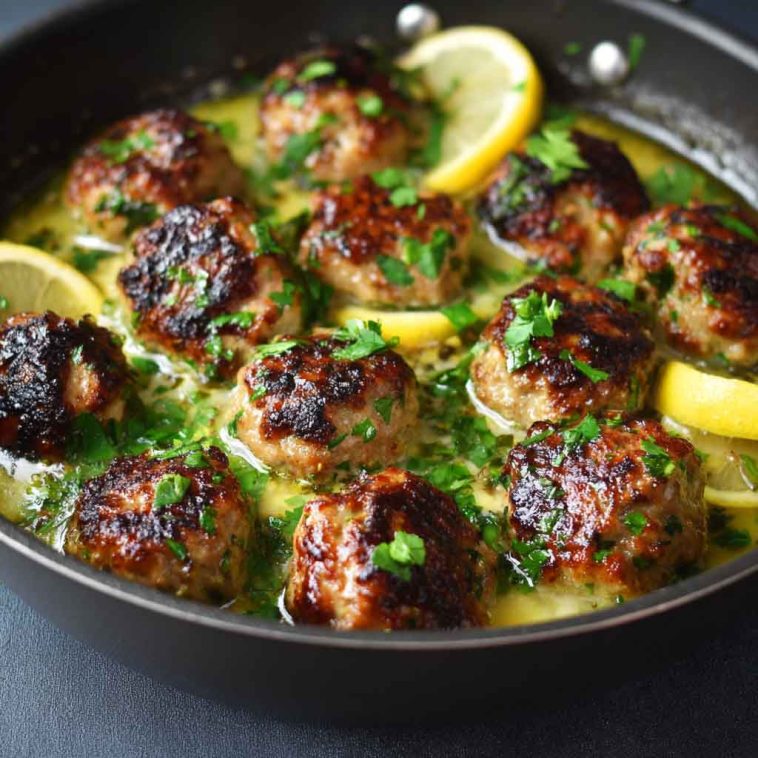
Why These Greek Meatballs Are the Softest & Juiciest
If you’ve ever dreamed of meatballs that are tender, juicy, and bursting with bright Mediterranean flavors, these Greek meatballs are exactly what you need. Known traditionally as keftedes or, in some regions, soutzoukakia, these meatballs stand apart from their Italian or Swedish cousins by their incredible softness and a deliciously tangy lemon sauce that elevates every bite.
What makes these Greek meatballs so special? It’s all about the perfect balance of ingredients, from the fresh herbs and spices to the clever addition of soaked breadcrumbs and a touch of dairy, which keeps each meatball incredibly moist and tender. Then, the signature lemon sauce—a velvety, garlicky, herb-infused broth—adds a bright, zesty punch that complements the richness of the meat.
This recipe is designed to be foolproof for every home cook, whether you’re a seasoned pro or trying Greek cooking for the first time. You’ll get expert tips on mixing the meat just right, forming perfectly shaped meatballs, and making the luscious lemon sauce. Plus, you’ll find versatile serving ideas that make this dish perfect for everything from casual family dinners to elegant gatherings.
What Are Greek Meatballs? A Quick Overview
Greek meatballs, or keftedes, are a beloved staple of Greek cuisine, cherished for their tender texture and vibrant flavor. While variations exist across Greece, they typically combine ground meat—usually beef, lamb, or a mixture—with aromatic herbs, garlic, and onions. Another popular style, soutzoukakia, are elongated meatballs often cooked in a spiced tomato sauce.
Unlike Italian or Swedish meatballs, Greek meatballs emphasize fresh herbs like mint and oregano, and rely on soaked breadcrumbs and dairy to keep them soft rather than dense or dry. The texture is light and juicy, never rubbery.
A defining element of these meatballs is their signature lemon sauce, which reflects Greek cuisine’s love for bright, citrusy flavors. The tangy lemon, infused with garlic and herbs, cuts through the richness of the meat and makes these meatballs irresistibly fresh and flavorful.
Key Ingredients Breakdown: What Makes Them So Soft & Juicy
The secret to the softest and juiciest Greek meatballs lies in carefully selected ingredients and how they work together:
Ground Meat: Traditional recipes often use lamb, beef, or a blend of both. Lamb brings a rich, slightly gamey flavor and natural fat that enhances moisture, while beef adds a familiar, hearty base. Mixing the two can give the best of both worlds—richness without overpowering taste.
Breadcrumbs: Breadcrumbs act as a moisture-retaining sponge. When soaked in milk, chicken broth, or even yogurt, they soften and release moisture into the meat, preventing dryness during cooking. This is a crucial step for tenderness.
Onion & Garlic: Finely grated or minced onions and garlic not only add depth of flavor but also contribute moisture and sweetness that keep the meatballs juicy.
Fresh Herbs: Parsley, mint, and oregano are classic in Greek keftedes. Parsley brings freshness, mint adds a subtle coolness and complexity, and oregano lends the unmistakable Mediterranean aroma.
Eggs & Dairy: Eggs act as a binder, holding the mixture together while adding richness. Adding yogurt or milk boosts tenderness by introducing fat and moisture that gently tenderize the proteins.
Lemon Zest & Juice: Lemon zest infuses the meat mixture with aromatic citrus oils, while lemon juice brightens the sauce with acidity, balancing the rich meat.
Seasonings: Salt and pepper are essential, while warming spices like cumin or cinnamon (used sparingly) add an exotic hint that is typical in Greek meatball recipes.
Olive Oil: Drizzled into the mix or used in cooking, olive oil contributes to the silky texture and adds the fruity richness characteristic of Mediterranean dishes.
Lemon Sauce Ingredients: The sauce combines fresh lemon juice, chicken broth (or vegetable broth for a lighter option), minced garlic, and fresh herbs like dill or oregano. This creates a luscious, tangy pool where the meatballs soak up flavor during simmering.
Kitchen Tools & Equipment Needed
To prepare these Greek meatballs perfectly, you’ll want a few basic kitchen tools:
-
Mixing Bowls: Large enough to comfortably mix meat and other ingredients by hand.
-
Baking Sheet or Skillet: For frying or baking the meatballs until golden and cooked through.
-
Saucepan: To prepare the lemon sauce and gently simmer the meatballs.
-
Wooden Spoon or Spatula: For stirring the sauce without damaging delicate meatballs.
-
Meat Thermometer (Optional): For precise cooking to ensure safety and perfect doneness.
-
Serving Dish or Platter: To present your finished meatballs elegantly or family-style.
How to Prepare Your Meat Mixture for Ultimate Tenderness
The key to tender meatballs starts with how you handle the mixture:
-
Begin by soaking your breadcrumbs in milk or broth until fully softened. This adds essential moisture.
-
Grate onions finely and squeeze out excess water to avoid sogginess but keep enough juice for flavor.
-
Combine the ground meat, soaked breadcrumbs, onions, garlic, herbs, eggs, and seasonings gently. Use your hands rather than a spoon for better control.
-
Avoid overmixing! Overworking the meat toughens the texture. Mix just until ingredients are evenly combined.
-
Once mixed, cover and let the mixture rest in the refrigerator for at least 30 minutes. This resting period allows the flavors to meld and the breadcrumbs to fully hydrate, resulting in meatballs that hold together and stay tender.
Forming the Perfect Meatballs
Forming the meatballs correctly ensures even cooking and ideal texture:
-
Aim for uniform size—about 1.5 inches in diameter for bite-sized, or larger if preferred.
-
Wet your hands with water or lightly oil them before shaping to prevent sticking.
-
Roll the mixture gently, avoiding compacting or squeezing too tightly, which makes meatballs dense.
-
Place formed meatballs on a baking sheet or plate. For best results, chill them in the fridge for 15–30 minutes before cooking. This helps them hold their shape during frying or simmering in the lemon sauce.
Cooking Methods: Pan-Frying vs. Baking vs. Simmering
Greek meatballs are versatile in how they can be cooked, and each method lends a slightly different texture and flavor.
Pan-Frying:
This is the classic way to get a crispy, golden exterior while keeping the inside tender and juicy. Heat olive oil in a skillet over medium heat and carefully fry the meatballs in batches, turning occasionally for even browning. Pan-frying seals in the juices, creating a delightful contrast between the crispy outside and soft interior. Once browned, the meatballs can be gently simmered in the lemon sauce to soak up extra flavor.
Baking:
For a lighter approach or when cooking large batches, baking is a convenient option. Place meatballs spaced evenly on a greased baking sheet and bake at 375°F (190°C) for about 20-25 minutes, turning once halfway through for uniform browning. Baking produces a less oily but still moist meatball, especially when the mixture is well-balanced with soaked breadcrumbs and dairy.
Simmering in Lemon Sauce:
After pan-frying or baking, the meatballs traditionally finish their cooking by gently simmering in the lemon sauce. This technique infuses every bite with zesty, garlicky flavor and ensures the meatballs are extra tender. Simmer over low heat for 10-15 minutes until the sauce slightly thickens and coats the meatballs.
You can also skip frying and form meatballs directly into the sauce for a softer texture, but the pan-fried or baked versions are more common and yield the best flavor contrast.
How to Make the Classic Greek Lemon Sauce
The lemon sauce is what makes these meatballs unmistakably Greek and utterly irresistible.
Ingredients for the Sauce:
-
Fresh lemon juice (from about 2-3 lemons)
-
Chicken broth or vegetable broth (about 2 cups)
-
Olive oil (2-3 tablespoons)
-
Garlic cloves, minced (2-3)
-
Fresh herbs: oregano, dill, or parsley (chopped)
-
Salt and freshly ground black pepper
-
A touch of flour or cornstarch (optional, for thickening)
Step-by-Step Preparation:
-
Sauté Garlic: In a saucepan, heat olive oil over medium heat. Add the minced garlic and sauté just until fragrant, about 30 seconds to 1 minute — avoid browning to keep it mellow.
-
Add Broth & Lemon Juice: Pour in the chicken broth and freshly squeezed lemon juice. Stir well to combine.
-
Season & Simmer: Add salt, pepper, and your choice of herbs. Let the sauce simmer gently for about 5 minutes to blend the flavors.
-
Thicken (Optional): For a slightly thicker sauce, whisk a teaspoon of flour or cornstarch into a little cold water and slowly stir it into the simmering sauce. Cook until it reaches your preferred consistency.
-
Add Meatballs: Carefully nestle your cooked meatballs into the sauce, spoon some sauce over them, and simmer on low for 10-15 minutes. This allows the meatballs to soak up the bright, tangy flavors while finishing cooking through.
The result is a silky, lemon-forward sauce that perfectly balances the richness of the meat, making every bite luscious and refreshing.
Serving Suggestions & Pairings
Greek meatballs in lemon sauce are wonderfully versatile and can be served in numerous ways:
-
With Rice or Orzo: A fluffy bed of white rice or tender orzo pasta soaks up the lemon sauce beautifully and rounds out the meal.
-
With Pita Bread: Serve warm pita or crusty bread on the side for dipping and sopping up the sauce.
-
With Greek Salad: A fresh salad with tomatoes, cucumbers, olives, red onions, and feta complements the rich meatballs with crisp, tangy bites.
-
As a Mezze Platter: Add these meatballs to a Mediterranean mezze board with hummus, tzatziki, olives, and roasted veggies for a festive spread.
-
Over Mashed Potatoes: Creamy mashed potatoes provide a comforting base that contrasts nicely with the zesty lemon sauce.
-
With Roasted Vegetables: Roasted zucchini, eggplant, or bell peppers add smoky sweetness and texture.
For a true Greek experience, garnish your dish with chopped fresh herbs like parsley or dill and a wedge of lemon for extra brightness. A drizzle of olive oil over the top before serving adds richness and shine.
Tips for Making the Softest, Juiciest Meatballs Every Time
-
Don’t Overwork the Meat: Mix just until combined. Over-mixing tightens the meat and makes tough meatballs.
-
Use Soaked Breadcrumbs: This simple step ensures moisture retention and softness. Use milk, broth, or yogurt to soak them.
-
Let the Mixture Rest: Refrigerate for 30 minutes before shaping to hydrate ingredients and firm up the mixture.
-
Uniform Size: Shape meatballs consistently to ensure even cooking.
-
Cook Gently: Whether frying or baking, avoid high heat that dries out the meat. Simmering in sauce adds tenderness.
-
Use Fresh Herbs: Fresh parsley, mint, oregano, or dill bring brightness and authentic Greek flavor.
-
Balance the Lemon: Adjust the lemon juice in the sauce to your taste, balancing acidity with broth and a touch of olive oil.
Storage Tips: Keeping Your Greek Meatballs Fresh
Refrigeration:
Store cooked Greek meatballs in an airtight container in the refrigerator for up to 3-4 days. Keep them submerged in the lemon sauce or store sauce separately to preserve moisture and flavor. When reheating, gently warm them on the stove over low heat to avoid drying out.
Freezing:
These meatballs freeze beautifully. Place cooled, cooked meatballs (with or without sauce) in a freezer-safe container or zip-top bag. They’ll keep well for up to 3 months. Thaw overnight in the fridge before reheating gently on the stovetop or in the oven.
Sauce:
If you made extra lemon sauce, store it separately in a sealed jar or container for up to 5 days refrigerated. Reheat gently before serving.
Pro Tip: Freeze meatballs individually on a baking sheet first to prevent sticking, then transfer to a container or bag. This allows you to thaw only what you need.
Frequently Asked Questions (FAQs)
Q: Can I use only beef or only lamb for these meatballs?
A: Absolutely! Using all beef yields a milder flavor, while lamb offers richer, more traditional Greek taste. Mixing both balances flavor and fat content for moist meatballs.
Q: Can I bake the meatballs instead of frying?
A: Yes! Baking at 375°F (190°C) for 20-25 minutes is a healthier and easier alternative. You can finish them in the lemon sauce for maximum flavor.
Q: What can I substitute for breadcrumbs?
A: You can use crushed pita chips, oats, or gluten-free breadcrumbs. Just soak them well in milk or broth to keep the meatballs tender.
Q: How do I know when meatballs are cooked through?
A: Meatballs should reach an internal temperature of 160°F (71°C). The texture should be firm but springy, not dense.
Q: Can I prepare meatballs ahead of time?
A: Yes! You can prepare the mixture a day in advance and keep it refrigerated. Form and cook meatballs just before serving for best texture.

Greek Meatballs in Lemon Sauce
Equipment
- Large mixing bowl
- Skillet or frying pan
- Saucepan
- Grater (for onion and lemon zest)
- Measuring Cups and Spoons
- Wooden spoon or spatula
- Plate or baking sheet (for resting meatballs)
- Optional: Meat thermometer
Ingredients
Meatballs:
- 1 lb ground beef and/or lamb
- 1/2 cup breadcrumbs
- 1/4 cup milk or chicken broth
- 1 small onion, finely grated
- 2 garlic cloves, minced
- 1 large egg
- 1/4 cup Greek yogurt (optional)
- 1/4 cup fresh parsley, chopped
- 2 tbsp fresh mint, chopped (optional)
- 1 tsp dried oregano or 1 tbsp fresh oregano
- 1 tsp lemon zest
- 1/2 tsp ground cumin (optional)
- Salt and pepper to taste
- Olive oil for cooking
Lemon Sauce:
- 2 cups chicken broth
- Juice of 2 large lemons
- 3 garlic cloves, minced
- 2 tbsp olive oil
- 1 tbsp fresh dill or oregano, chopped
- Salt and pepper to taste
- 1 tsp cornstarch mixed with 1 tbsp water (optional)
Instructions
- Soak breadcrumbs in milk or broth for 5-10 minutes until soft.
- In a large bowl, combine soaked breadcrumbs, ground meat, grated onion (excess moisture squeezed out), garlic, egg, yogurt, herbs, lemon zest, cumin, salt, and pepper. Mix gently by hand until just combined. Chill for 30 minutes.
- Form the mixture into uniform 1.5-inch meatballs, wetting hands as needed.
- Heat olive oil in a skillet over medium heat. Fry meatballs in batches until browned on all sides (5-6 minutes). Remove and set aside.
- In a saucepan, heat olive oil and sauté garlic until fragrant. Add chicken broth, lemon juice, herbs, salt, and pepper. Bring to a simmer.
- Add meatballs to the sauce, cover, and simmer gently for 10-15 minutes until cooked through. Thicken with cornstarch slurry if desired.
- Serve hot with rice, pita, or salad, garnished with fresh herbs and lemon wedges.
Notes
- For the most authentic flavor, use a mix of lamb and beef.
- Soaking breadcrumbs is key to tender meatballs—don’t skip this step.
- Resting the mixture in the fridge helps the flavors meld and improves texture.
- Adjust lemon juice in the sauce to your taste; add more for extra brightness.
- Leftovers reheat well and can be frozen for up to 3 months.
- Substitute breadcrumbs with crushed pita or gluten-free options if needed.
- Adding a pinch of cinnamon or allspice gives a subtle, warm depth traditional in some Greek versions.