

 Laura Mariano
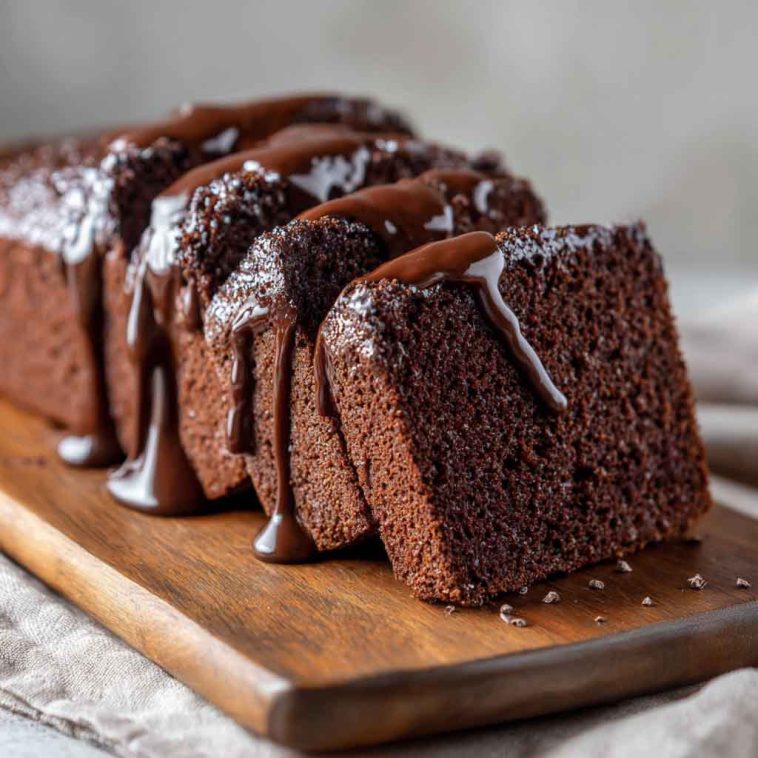
Why Chocolate Pound Cake Is a Timeless Classic
Chocolate pound cake holds a special place in the world of baked goods—both timeless and comforting. Originating from the traditional pound cake, which dates back centuries, this dense, buttery cake has evolved beautifully with the addition of rich cocoa. Unlike lighter, airy chocolate cakes, pound cake offers a satisfyingly moist crumb and a deeply rich flavor that keeps people coming back for more.
What sets chocolate pound cake apart is its perfect balance of simplicity and indulgence. Using just a handful of straightforward ingredients—real butter, sugar, eggs, flour, and cocoa powder—it delivers a melt-in-your-mouth texture that feels both luxurious and homey. Whether served as a simple snack with tea or dressed up with a dusting of powdered sugar or ganache, chocolate pound cake remains a beloved staple across kitchens worldwide.
In this guide, you’ll learn the secrets behind baking a flawless chocolate pound cake—dense but tender, rich but not overwhelming—so you can enjoy a slice of this classic anytime.
What Is Pound Cake? A Quick History and Definition
Pound cake’s name comes from its original recipe, which called for exactly one pound each of four key ingredients: flour, butter, sugar, and eggs. This straightforward formula, dating back to the 1700s in Europe, made it easy to remember and bake without complicated measurements. The result was a dense, buttery cake with a fine crumb and a pleasantly rich flavor.
As baking evolved, so did the pound cake. Modern recipes often reduce ingredient weights and introduce leavening agents like baking powder or baking soda to lighten the texture slightly without sacrificing density. Flavor variations also emerged, including the addition of vanilla, citrus zest, and, of course, chocolate.
Chocolate pound cake differs from other chocolate cakes mainly in texture and richness. While many chocolate cakes aim for a fluffy, spongy crumb, pound cake embraces a firmer, more substantial bite with a moist interior. It is also distinct from loaf cakes, which may be lighter and less buttery.
A true pound cake—especially a chocolate version—should have a tender yet dense crumb, a buttery mouthfeel, and a deep cocoa flavor that doesn’t overwhelm but complements the buttery richness.
Key Ingredients Explained: Building Blocks of Ultimate Chocolate Pound Cake
The magic of a perfect chocolate pound cake lies in understanding how each ingredient contributes to its signature texture and flavor.
Butter
Butter is the heart and soul of pound cake. Using real, unsalted butter—not margarine or shortening—ensures rich flavor and a tender crumb. Butter’s fat content coats flour proteins, limiting gluten formation and keeping the cake moist. Plus, butter helps trap air during creaming, which contributes to lightness despite the cake’s dense nature.
Sugar
Sugar does more than sweeten—it balances flavor and helps retain moisture. Granulated sugar is standard, but some recipes blend in brown sugar for subtle caramel notes. The sugar crystals also aid in aeration during creaming, helping create a light, fluffy batter.
Eggs
Eggs provide structure, richness, and moisture. Their proteins coagulate during baking to stabilize the cake, while the yolks add fat and color. Adding eggs gradually during mixing helps maintain an even batter and prevents curdling.
Flour
All-purpose flour is commonly used, providing enough protein to form the structure without making the cake tough. Cake flour, with less protein, can produce a softer crumb but may reduce the classic pound cake’s characteristic density.
Cocoa Powder
The choice between natural and Dutch-processed cocoa powder affects both flavor and color. Natural cocoa is more acidic and brighter in color, while Dutch-processed is alkalized for smoother, less bitter flavor and deeper dark chocolate hues. For a richer taste, many bakers prefer Dutch-processed cocoa.
Leavening Agents
Traditional pound cakes rely solely on air incorporated during creaming and eggs for rise. However, modern recipes often add a small amount of baking powder or baking soda to lighten the texture slightly without losing the dense characteristic.
Dairy
Ingredients like milk, sour cream, or buttermilk add moisture and tenderness. Sour cream and buttermilk also introduce acidity, which can react with baking soda to improve rise and enhance crumb softness.
Vanilla Extract and Optional Enhancers
Vanilla extract complements chocolate by adding warmth and depth. Adding a pinch of espresso powder is a classic pro tip—it intensifies chocolate flavor without tasting like coffee.
Pro Tip: Always use room temperature ingredients. Butter, eggs, and dairy at room temp emulsify better, creating a smooth batter that bakes evenly.
Essential Equipment for Chocolate Pound Cake
Choosing the right equipment is key to a successful chocolate pound cake.
-
Pan choice: A bundt pan creates an elegant cake with decorative ridges and even baking due to increased surface area. A loaf pan is simpler and creates a classic shape but may bake less evenly.
-
Mixing tools: A stand mixer or hand mixer is ideal for creaming butter and sugar until light and fluffy, which is crucial for texture.
-
Sifter: Sifting dry ingredients prevents lumps and ensures even mixing of cocoa and flour.
-
Cooling rack: Proper cooling is essential to prevent sogginess from steam buildup.
-
Toothpick or cake tester: To check doneness without slicing into the cake prematurely.
Step-by-Step Baking Instructions: From Batter to Beautiful Cake
1. Cream Butter and Sugar
Start by beating room temperature butter with sugar until the mixture becomes pale and fluffy—this can take 4–5 minutes. This creaming process is essential to incorporate air, which will lighten the dense batter.
2. Add Eggs Gradually
Add eggs one at a time, beating well after each addition. This slow incorporation helps maintain an emulsified batter, preventing curdling or separation.
3. Combine Dry Ingredients
In a separate bowl, sift together flour, cocoa powder, baking powder, and salt. Sifting prevents lumps and ensures even distribution.
4. Alternate Adding Dry Ingredients and Dairy
Add the dry ingredients in three batches, alternating with two additions of dairy (milk, sour cream, or buttermilk). Begin and end with the dry mixture. Gently fold the batter with each addition—do not overmix, or the cake may become tough.
5. Fold in Vanilla and Optional Espresso Powder
Add vanilla extract and espresso powder (if using) last, folding gently to blend.
6. Prepare the Pan
Grease and flour your chosen pan thoroughly or use a baking spray with flour. For bundt pans, pay special attention to crevices to avoid sticking.
7. Bake
Pour batter evenly into the pan and smooth the top. Bake at 325°F (163°C) for 60–70 minutes or until a toothpick inserted near the center comes out with moist crumbs (not wet batter). The lower temperature allows the cake to cook through evenly without drying.
8. Cooling
Let the cake cool in the pan for about 15 minutes to firm up, then invert onto a cooling rack. Cooling completely is important to set the crumb and prevent cracks.
Bold Tip: Resist opening the oven during the first 40 minutes of baking to prevent the cake from sinking due to temperature fluctuations.
Delicious Chocolate Pound Cake Variations
One of the joys of baking chocolate pound cake is how easily you can customize it to suit different tastes or occasions. Here are some crowd-pleasing variations to try:
Chocolate Ganache Glaze
A silky, bittersweet chocolate ganache poured over the cooled cake adds a luxurious finish. Simply heat heavy cream until just simmering, pour over chopped bittersweet chocolate, let it sit a few minutes, then whisk until smooth. Drizzle generously for an elegant touch.
Swirled Pound Cake
For a visually stunning cake, try a marbled or swirled pound cake by combining classic vanilla batter with chocolate batter. Drop alternating spoonfuls of each into the pan, then swirl gently with a knife before baking. This contrast of flavors and colors makes every slice unique.
Mocha Pound Cake
Amp up the flavor with espresso powder folded into the batter. The subtle coffee notes deepen the chocolate flavor, creating a rich mocha experience that pairs perfectly with morning coffee or evening dessert.
Nutty Add-ins
For texture and added flavor, fold in toasted nuts like pecans or walnuts. They add a delightful crunch and complement the rich chocolate beautifully. Be sure to toast nuts lightly in a dry pan before adding to enhance their aroma.
Vegan and Gluten-Free Adaptations
You can enjoy pound cake even with dietary restrictions. Use plant-based butter and flaxseed or applesauce as egg replacers. Substitute all-purpose flour with gluten-free blends designed for baking. These versions may require slight adjustments to moisture levels, but they still yield delicious results.
Mini Pound Cakes
Bake your batter in mini loaf pans or muffin tins for bite-sized treats perfect for parties or lunchboxes. Adjust baking time accordingly—mini cakes typically bake in 20–25 minutes.
How to Serve Chocolate Pound Cake
Chocolate pound cake is incredibly versatile when it comes to serving. Here are some classic and creative ideas:
-
With Whipped Cream and Fresh Berries: A dollop of lightly sweetened whipped cream and a handful of fresh strawberries, raspberries, or blueberries brighten the rich cake with fresh acidity.
-
Warm with Ice Cream: Heat a slice briefly in the microwave or oven and serve with vanilla or salted caramel ice cream for a comforting dessert.
-
Layered Cake: Slice horizontally and spread fruit preserves, chocolate frosting, or cream cheese frosting between layers for a special occasion cake.
-
Pairings: Serve with a robust cup of coffee, a glass of dessert wine like port, or rich hot chocolate for an indulgent experience.
-
Elegant Plating: For guests, plate slices with a drizzle of raspberry coulis, mint sprigs, or powdered sugar dusting for a refined look.
Storage, Make-Ahead Tips & Reheating
Proper storage is key to maintaining your chocolate pound cake’s moist texture and rich flavor:
-
Room Temperature: Store the cake in an airtight container or wrapped tightly in plastic wrap for up to 3 days. Avoid refrigerating unless your kitchen is very warm, as refrigeration can dry out the cake.
-
Refrigeration: If you must refrigerate (due to climate or added frosting), wrap well to prevent moisture loss and bring slices to room temperature before serving to restore softness.
-
Freezing: Pound cake freezes beautifully, whether whole or sliced. Wrap tightly in plastic wrap, then foil, and place in a freezer bag. It can be frozen for up to 3 months.
-
Reheating: Thaw frozen cake overnight in the refrigerator or at room temperature. Warm slices briefly in the microwave (15–20 seconds) or in a 300°F (150°C) oven for 10 minutes to revive a fresh-baked taste and texture.
-
Moisture Tips: To keep cake moist after freezing or storing, consider wrapping with a slightly damp paper towel inside the plastic wrap before freezing. This helps maintain humidity without sogginess.
Troubleshooting Common Issues & Expert Tips
Even the best bakers encounter issues sometimes. Here’s how to troubleshoot common chocolate pound cake problems:
-
Cake Too Dense or Dry?
Overmixing batter or inaccurate flour measurement (too much flour) can cause dryness. Use a kitchen scale for precise measurement, and mix just until combined. -
Cake Sinking in the Middle?
Oven temperature that’s too low or opening the oven door early causes the center to collapse. Use an oven thermometer to check accuracy and avoid early peeking. -
Dry Edges?
This can happen if the pan is too large or baking time is too long. Try reducing baking time slightly or use a smaller pan for thicker cake. -
Uneven Crumb or Cracks on Top?
Ensure thorough creaming of butter and sugar to incorporate air, and distribute batter evenly in the pan before baking.
Bold Tip: Invest in an oven thermometer to ensure your oven temperature is spot on—it’s the secret to consistent baking results.
FAQs — People Also Ask
Q: What is the difference between pound cake and chocolate cake?
A: Pound cake is denser, buttery, and uses fewer leavening agents, while chocolate cake is lighter, often fluffier, and may include more sugar, oil, and baking powder for lift.
Q: Can I substitute cocoa powder with melted chocolate?
A: You can, but it requires recipe adjustments. Melted chocolate adds fat and moisture, so reduce butter and increase flour slightly for balance.
Q: How long does chocolate pound cake keep fresh?
A: At room temperature, it stays fresh for 3 days; refrigerated for up to a week; frozen, it lasts about 3 months.
Q: Can I make chocolate pound cake in a loaf pan?
A: Absolutely! A loaf pan is classic and works well, though baking times may vary.
Q: How to know when chocolate pound cake is done?
A: Insert a toothpick in the center—if it comes out with moist crumbs (not wet batter), the cake is done.
Q: Can I use Dutch-processed cocoa instead of natural cocoa?
A: Yes, but it may slightly alter flavor and color. Dutch-processed cocoa is less acidic and smoother, often preferred for richer taste.

Chocolate Pound Cake Recipe
Equipment
- Bundt pan (10-inch) or 9x5-inch loaf pan
- Stand mixer or hand mixer
- Mixing bowls
- Measuring Cups and Spoons
- Sifter or fine mesh sieve
- Spatula
- Cooling rack
- Toothpick or cake tester
Ingredients
- 1 cup (227g) unsalted butter, room temperature
- 1 ½ cups (300g) granulated sugar
- 4 large eggs, room temperature
- 2 cups (240g) all-purpose flour
- ¾ cup (75g) Dutch-processed cocoa powder (sifted)
- 1 tsp baking powder
- ½ tsp baking soda
- ½ tsp salt
- ½ cup (120ml) sour cream or buttermilk, room temperature
- ½ cup (120ml) whole milk, room temperature
- 2 tsp vanilla extract
- 1 tsp espresso powder (optional, enhances chocolate flavor)
Instructions
- Preheat oven to 325°F (163°C). Grease and flour your pan thoroughly.
- In a large bowl, beat butter and sugar together with a mixer on medium-high speed until pale and fluffy, about 4–5 minutes.
- Add eggs one at a time, beating well after each addition until fully incorporated.
- In a separate bowl, sift together flour, cocoa powder, baking powder, baking soda, and salt.
- Add the dry ingredients to the butter mixture in three additions, alternating with sour cream and milk (start and end with dry ingredients). Mix gently after each addition until just combined.
- Fold in vanilla extract and espresso powder, if using.
- Pour batter evenly into prepared pan and smooth the surface.
- Bake for 60–70 minutes, or until a toothpick inserted near the center comes out with moist crumbs. Avoid opening the oven in the first 40 minutes.
- Cool cake in pan for 15 minutes, then invert onto a wire rack to cool completely before slicing.
Notes
- Using room temperature ingredients ensures better emulsification and smoother batter.
- Dutch-processed cocoa offers a richer flavor and deeper color, but natural cocoa can be used with a slight flavor difference.
- For a lighter texture, substitute ½ cup of all-purpose flour with cake flour.
- To enhance the chocolate taste, adding espresso powder is a subtle but effective trick.
- Store cake wrapped at room temperature for up to 3 days or freeze slices for longer storage.
- Avoid overmixing after adding flour to prevent a tough crumb.