

 Laura Mariano
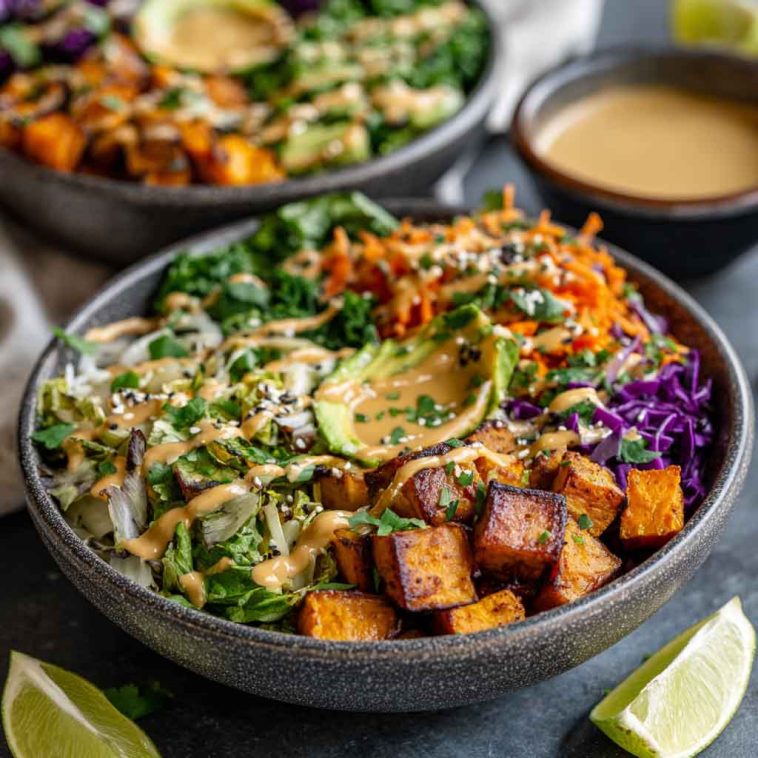
Thai Peanut Sweet Potato Buddha Bowl
Hook & Introduction
Buddha bowls are the ultimate comfort food in a nourishing, wholesome package. They bring together vibrant colors, diverse textures, and balanced nutrition, all in one beautiful bowl. This Thai Peanut Sweet Potato Buddha Bowl is a perfect example: roasted sweet potatoes with caramelized edges, creamy Thai peanut sauce drizzled generously, and crunchy toppings that make every bite exciting. It’s a dish that feels indulgent yet wholesome, offering warmth and satisfaction while staying light and plant-forward. What makes this recipe stand out is its balance—sweet, savory, nutty, and tangy flavors harmonize beautifully, while the customizable components allow you to tailor it to your preferences. Whether you’re looking for a cozy dinner, a meal-prep staple, or a vibrant lunch, this Buddha bowl delivers comfort and nourishment in equal measure.
What is a Buddha Bowl?
The term “Buddha bowl” refers to a nourishing, balanced meal served in a single bowl, often overflowing with wholesome ingredients. Its origins are loosely tied to the idea of abundance and balance, resembling the rounded belly of Buddha statues. While not a traditional dish, Buddha bowls have become popular in modern plant-based cooking because they emphasize variety and nutrition. Typically, they include a base of grains or greens, a protein source, colorful vegetables, and a flavorful sauce. The beauty of Buddha bowls lies in their adaptability: they can be customized to suit dietary needs, seasonal produce, or personal taste. They embody the principles of the Mediterranean and plant-based diets—balance, freshness, and mindful eating. In today’s kitchens, Buddha bowls are celebrated for their convenience, visual appeal, and ability to pack diverse nutrients into one satisfying meal.
Spotlight on Thai Peanut Sweet Potato Buddha Bowl
This particular Buddha bowl shines with its bold flavor profile and nutritional richness. Roasted sweet potatoes bring natural sweetness and a caramelized depth, perfectly complemented by the savory, nutty Thai peanut sauce. The sauce itself is creamy, tangy, and slightly sweet, tying all the components together. Nutritionally, the bowl offers fiber from sweet potatoes and vegetables, plant protein from chickpeas or tofu, and healthy fats from peanuts and olive oil. It’s a powerhouse meal that fuels the body while delighting the palate. The pairing of sweet potatoes and peanut sauce is especially satisfying—the earthy sweetness of the potatoes balances the richness of the sauce, creating harmony in every bite. This bowl is versatile enough for lunch, dinner, or meal prep, as its components can be made ahead and assembled quickly. It’s a recipe that embodies comfort, nutrition, and adaptability, making it a staple for anyone seeking wholesome yet indulgent meals.
Key Components of the Bowl
- Base: Choose quinoa, rice, or leafy greens as the foundation. Grains add heartiness, while greens keep it light.
- Veggies: Roasted sweet potatoes are the star, paired with crunchy raw vegetables like carrots, bell peppers, or cabbage for contrast.
- Protein: Chickpeas, tofu, or edamame provide plant-based protein, making the bowl filling and balanced.
- Sauce: Thai peanut dressing is the flavor anchor—creamy, tangy, slightly sweet, and nutty.
- Toppings: Fresh herbs (cilantro, mint), seeds (sesame, pumpkin), and lime wedges elevate the dish with brightness and crunch.
Tips for balance: Combine soft roasted veggies with crisp raw ones, creamy sauce with crunchy toppings, and vibrant colors for visual appeal.
Step-by-Step Cooking Process
- Roast sweet potatoes: Peel and cube sweet potatoes, toss with olive oil, salt, and pepper, then roast at 400°F (200°C) for 25–30 minutes until caramelized.
- Prepare base: Cook quinoa or rice according to package instructions. Fluff and set aside.
- Make Thai peanut sauce: Whisk together peanut butter, soy sauce, lime juice, maple syrup, garlic, and ginger. Adjust consistency with warm water until smooth. Taste and balance flavors—nutty, tangy, sweet, and savory.
- Prepare protein: Roast chickpeas with spices, pan-fry tofu until golden, or steam edamame.
- Assemble bowl: Start with the grain or greens base, add roasted sweet potatoes, layer protein, and scatter raw veggies.
- Add sauce: Drizzle Thai peanut sauce generously over the bowl.
- Finish with toppings: Garnish with fresh herbs, seeds, and lime wedges.
Pro Tip: Batch cook components—roast extra sweet potatoes, prepare grains in bulk, and store sauce in a jar. This makes assembling Buddha bowls throughout the week quick and effortless.
Thai Peanut Sweet Potato Buddha Bowl Recipe – Easy Vegan Dinner
Equipment
- Baking sheet
- Mixing bowls
- Whisk
- Saucepan (optional for warming sauce)
- Knife and cutting board
Ingredients
- 2 medium sweet potatoes, peeled and cubed
- 2 tbsp olive oil
- Salt and pepper to taste
- 1 cup quinoa or rice (cooked)
- 1 cup chickpeas (roasted) or tofu (pan-fried)
- 1 cup edamame (optional)
- 1 cup raw veggies (carrots, bell peppers, cabbage)
- Fresh herbs (cilantro, mint)
- Lime wedges for garnish
Thai Peanut Sauce:
- ½ cup peanut butter
- 3 tbsp soy sauce (gluten-free if needed)
- 2 tbsp lime juice
- 1 tbsp maple syrup or honey
- 1 clove garlic, minced
- 1 tsp grated ginger
- Warm water to thin
Instructions
- Preheat oven to 400°F (200°C). Toss sweet potato cubes with olive oil, salt, and pepper. Roast for 25–30 minutes until caramelized.
- Cook quinoa or rice according to package instructions. Fluff and set aside.
- Prepare protein: roast chickpeas with spices, pan-fry tofu until golden, or steam edamame.
- Make Thai peanut sauce: whisk peanut butter, soy sauce, lime juice, maple syrup, garlic, and ginger. Add warm water until smooth and pourable. Adjust flavors to taste.
- Assemble bowls: start with quinoa or rice base, add roasted sweet potatoes, protein, and raw veggies.
- Drizzle generously with Thai peanut sauce.
- Garnish with herbs, seeds, and lime wedges.
Notes
- Batch cook sweet potatoes and grains for easy meal prep.
- Sauce keeps for up to 1 week in the fridge—whisk before serving.
- Customize with seasonal veggies or different proteins.
- Serve warm or at room temperature.
- Gluten-free and vegan friendly with simple substitutions.