

 Laura Mariano
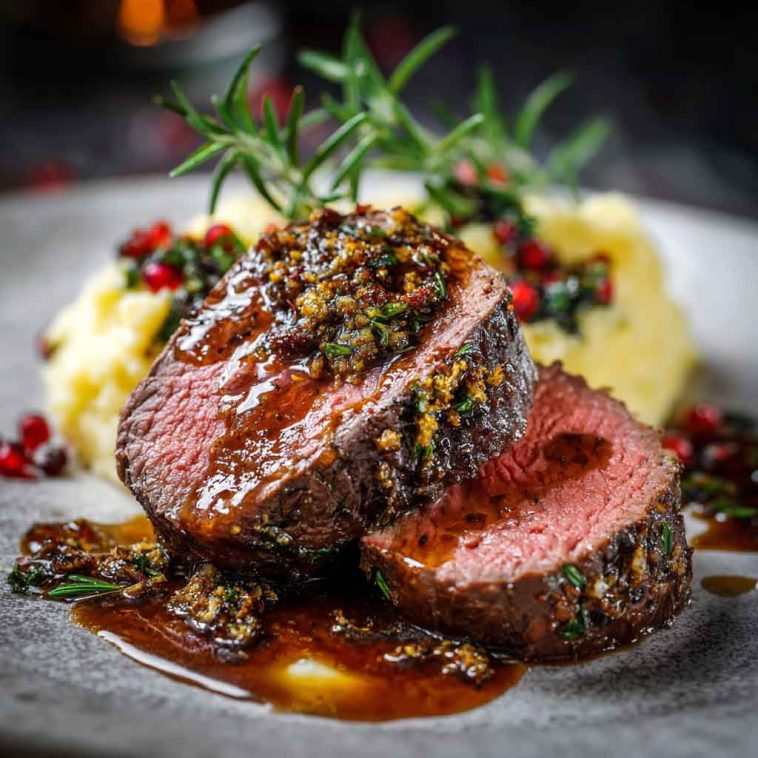
Introduction to Tasty Million Dollar Tenderloin
Beef tenderloin is often called the “million-dollar” cut of beef, and for good reason. It’s prized for its melt-in-your-mouth texture, rich flavor, and elegant presentation. Unlike tougher cuts, tenderloin requires minimal effort to achieve perfection, making it a favorite centerpiece for holidays, anniversaries, or dinner parties.
The appeal lies in its luxurious quality: a buttery tenderness that pairs beautifully with sauces and sides. When roasted and served with a velvety reduction, it transforms into a restaurant-worthy dish that impresses guests and satisfies even the most discerning palates.
Whether you’re celebrating a milestone or simply indulging in a special meal, the million-dollar tenderloin delivers sophistication and indulgence. It’s a dish that embodies celebration, turning any occasion into something memorable.
What Makes This Recipe Special?
This recipe elevates premium beef with a luxurious sauce, creating a dish that feels indulgent yet approachable. By combining simple techniques—searing and roasting—with refined flavors, you achieve restaurant-quality results at home.
The tenderloin is seared in olive oil and butter to develop a golden crust, then roasted to medium-rare perfection. A pan sauce made with shallots, garlic, red wine, broth, and cream adds depth and richness, complementing the beef’s natural flavor.
Tip: A simple sear-and-roast method ensures tenderness and consistency, while a meat thermometer guarantees precision.
What makes this recipe truly special is its balance of elegance and simplicity. It’s designed to impress without overwhelming the cook, making it ideal for both seasoned chefs and home cooks looking to create a show-stopping centerpiece.
Cultural & Culinary Background
Beef tenderloin has long been regarded as one of the most luxurious cuts of meat. Its reputation stems from its rarity—only a small portion of the cow yields tenderloin—and its unmatched tenderness.
In French cuisine, tenderloin is often prepared as filet mignon, seared and served with rich sauces like bordelaise or béarnaise. American traditions lean toward roasting whole tenderloins, often crusted with herbs or paired with creamy horseradish sauce.
Modern adaptations have expanded the repertoire, incorporating wine reductions, garlic butter, and herb crusts. These techniques highlight the cut’s natural delicacy while adding layers of flavor.
The million-dollar tenderloin embodies the fusion of tradition and innovation. It honors classic French and American approaches while embracing contemporary twists, making it a versatile dish for holidays, anniversaries, or dinner parties. Its cultural significance lies in its role as a celebratory centerpiece, symbolizing indulgence and refinement.
Flavor Profile Breakdown
- Beef Tenderloin: Buttery, tender, and mild in flavor, serving as the perfect canvas for sauces.
- Garlic & Shallots: Add aromatic depth and savory complexity.
- Herbs (thyme, rosemary): Provide freshness and balance.
- Red Wine Reduction: Bold, velvety, and slightly sweet, enhancing the beef’s richness.
- Cream: Adds silkiness, rounding out the sauce.
Together, these elements create a dish that’s indulgent yet balanced. The tenderloin delivers luxurious texture, while the sauce layers boldness and refinement.
Pro Tip: A touch of cream in the reduction balances acidity and ensures a smooth, velvety finish.
This flavor profile makes the dish versatile, pairing beautifully with roasted vegetables, mashed potatoes, or seasonal greens. Each bite offers harmony between tender beef, aromatic herbs, and rich sauce, making it unforgettable.
Step-by-Step Preparation Guide
Step 1: Trim & Season Trim excess fat and silver skin from tenderloin. Season generously with salt and pepper.
Step 2: Sear for Crust Heat olive oil and butter in a skillet. Sear tenderloin on all sides until golden brown.
Step 3: Roast Transfer to oven preheated at 425°F (220°C). Roast until internal temperature reaches 130°F (54°C) for medium-rare.
Step 4: Prepare Pan Sauce In the same skillet, sauté shallots and garlic until fragrant. Deglaze with red wine, scraping browned bits. Add beef broth and reduce until thickened. Stir in cream for a silky finish.
Step 5: Rest & Slice Let tenderloin rest for 10–15 minutes to retain juices. Slice against the grain into medallions.
Step 6: Serve Plate slices with sauce drizzled over. Garnish with fresh herbs.
Tip: Use a meat thermometer for precision—this ensures tenderness and prevents overcooking.
Common Mistakes to Avoid
- Overcooking: Tenderloin loses its signature tenderness when cooked beyond medium-rare. Always monitor temperature.
- Skipping Resting Time: Cutting too soon causes juices to escape, leaving meat dry. Rest for at least 10 minutes.
- Using Cheap Wine: The sauce relies on quality wine for depth. Avoid overly sweet or low-quality options.
- Neglecting Grain: Slice against the grain to maximize tenderness.
- Skipping Sear: Without searing, the roast lacks crust and flavor complexity.
Tip: Always slice against the grain and cook on medium-high heat for a perfect crust.
Tasty Million Dollar Tenderloin – Elegant Holiday Dinner Recipe
Equipment
- Roasting pan or baking sheet
- Large skillet (oven-safe if possible)
- Meat thermometer
- Sharp knife & cutting board
- Saucepan for reduction
- Tongs & spatula
Ingredients
- 1 whole beef tenderloin (3–4 lbs), trimmed
- 2 tbsp olive oil
- 2 tbsp butter
- 2 tsp salt
- 1 tsp black pepper
- 2 shallots, finely chopped
- 3 garlic cloves, minced
- 1 cup red wine (Cabernet or Merlot)
- 1 cup beef broth
- ½ cup heavy cream
- 2 sprigs fresh rosemary
- 2 sprigs fresh thyme
Instructions
- Trim & Season: Remove silver skin and excess fat from tenderloin. Season generously with salt and pepper.
- Sear: Heat olive oil and butter in skillet. Sear tenderloin on all sides until golden brown.
- Roast: Transfer to oven at 425°F (220°C). Roast until internal temp reaches 130°F (54°C) for medium-rare.
- Prepare Sauce: In skillet, sauté shallots and garlic. Deglaze with red wine, scraping browned bits. Add broth and reduce. Stir in cream and herbs until velvety.
- Rest: Let tenderloin rest 10–15 minutes before slicing.
- Serve: Slice against the grain into medallions. Drizzle sauce over and garnish with herbs.
Notes
- Use a meat thermometer for precision—medium-rare is ideal.
- Always rest meat before slicing to retain juices.
- Slice against the grain for maximum tenderness.
- Use quality wine for sauce depth; avoid overly sweet varieties.
- Pair with roasted potatoes, asparagus, or green beans for balance.