

 Laura Mariano
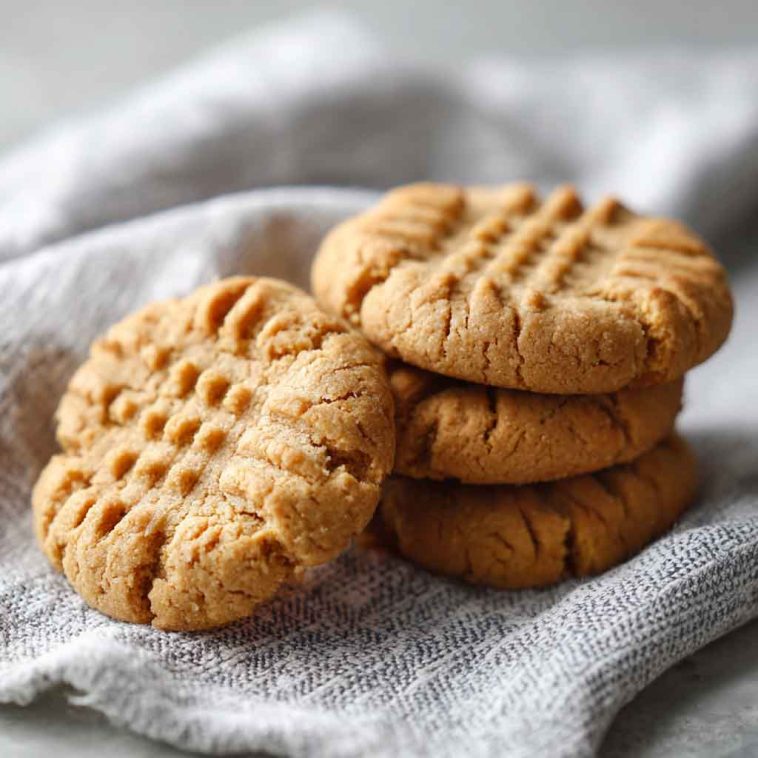
Why Soft Peanut Butter Cookies Are Irresistible
Soft peanut butter cookies strike the perfect balance between chewy tenderness and rich, nutty flavor. Unlike their crunchy counterparts, these cookies boast a comforting softness that melts in your mouth, making them an all-time favorite among kids and adults alike. Whether you’re grabbing a quick snack, baking for a holiday treat, or looking to satisfy your sweet tooth, soft peanut butter cookies fit the bill perfectly. Their quick preparation and straightforward ingredients make them ideal for every occasion. The soft texture not only enhances their appeal but also brings a cozy, homemade warmth that’s simply irresistible.
What Makes Peanut Butter Cookies Soft?
The secret to irresistibly soft peanut butter cookies lies in the ingredients and technique. Brown sugar is a moisture magnet, keeping cookies tender and chewy, while butter adds richness and softness. Eggs and sometimes extra egg yolks bind the dough and introduce a delicate tenderness. Proper mixing and slightly underbaking ensure the cookies remain soft rather than crisp. The contrast between soft and crunchy peanut butter cookies comes down to these factors—soft cookies offer a more tender bite that enhances the peanut flavor and elevates the overall eating experience.
Essential Ingredients & Their Functions
Peanut Butter: Creamy peanut butter lends a smooth, moist texture, while chunky adds crunch and complexity. Natural peanut butter can produce a slightly denser cookie due to its oil content. Processed peanut butter often contains stabilizers that help maintain softness.
Sugars: Brown sugar contains molasses, which retains moisture and deepens flavor, essential for softness. Granulated sugar adds sweetness but can dry cookies out if used alone.
Fats: Butter provides rich flavor and tenderness, while shortening yields a softer texture by reducing gluten development. Some recipes blend both for optimal softness.
Eggs: Eggs act as binders and add moisture; extra yolks boost richness and softness.
Flour and Leavening: All-purpose flour is standard; baking soda creates a tender crumb and subtle rise, while baking powder offers a gentler lift.
Optional Add-ins: Vanilla extract enhances flavor; salt balances sweetness; chocolate chips or nuts add texture and variety.
Equipment and Prep Tips
Use a large mixing bowl and an electric mixer or sturdy whisk for best results when creaming butter and sugars. Baking sheets lined with parchment paper ensure even cooking and easy cleanup. Measure ingredients precisely with proper spoons and cups for consistent texture. Chill the dough for at least 30 minutes to prevent excessive spreading, preserving that soft, thick cookie. Oven temperature calibration is key—too hot and cookies dry out; too cool and they may not set properly.
Step-by-Step Baking Instructions for Soft Peanut Butter Cookies
Start by creaming the softened butter with brown and granulated sugars until light and fluffy—this traps air, lending softness. Slowly add peanut butter and eggs, mixing just until combined to avoid overworking the dough. In a separate bowl, whisk flour, baking soda, baking powder, and salt; gently fold these into the wet ingredients to maintain tenderness. Portion the dough evenly using a cookie scoop, placing dough balls spaced well apart on lined baking sheets. Bake in a preheated oven (typically 350°F / 175°C) for about 8-10 minutes—look for slightly set edges with centers that appear soft. Resist overbaking to keep that luscious softness. Let cookies cool on the sheet for a few minutes before transferring to a rack to finish cooling. Store in airtight containers to maintain moisture and softness.
Variations and Flavor Twists to Try
For chocolate lovers, fold in chocolate chips or peanut butter chips to amplify richness. Swap processed peanut butter for natural or homemade for a wholesome touch. Adding oats or shredded coconut creates delightful texture and flavor complexity. Experiment with different sweeteners like maple syrup or coconut sugar for subtle nuances. For dietary needs, try gluten-free flours such as almond or oat flour, or use vegan butter substitutes and flax eggs to make these cookies vegan-friendly.
Pro Tips for Consistently Soft Peanut Butter Cookies
Avoid overmixing dough to prevent tough, dry cookies—mix just until combined. Brown sugar’s moisture-locking ability is crucial; don’t substitute it entirely with granulated sugar. Chilling dough helps control spread and enhances flavor. Bake until the edges are firm but the centers remain soft—cookies will continue to firm as they cool. Use a toothpick or lightly press the cookie tops to check for doneness.
Storage, Freezing & Freshness Tips
Store baked cookies in airtight containers at room temperature to preserve softness for up to a week. To freeze, shape dough into balls and freeze on a sheet before transferring to bags—bake directly from frozen, adding extra baking time. Baked cookies can also be frozen and thawed at room temperature. Reheat briefly in the microwave to revive softness. Avoid refrigeration, as it can dry out cookies.
Nutritional Information and Health Considerations
A typical soft peanut butter cookie contains approximately 120-150 calories, with healthy fats and protein from peanut butter. They provide energy and satiation but should be enjoyed in moderation due to sugar and fat content. To lighten recipes, reduce sugar or swap butter for applesauce or mashed banana, noting these may affect texture. Alternative flours and natural sweeteners can support gluten-free or lower glycemic diets.
Frequently Asked Questions (FAQs)
Q: Can I use natural peanut butter for soft cookies?
A: Yes, but natural peanut butter may make cookies denser and oilier; chilling dough helps manage spread.
Q: How do I make sure my cookies don’t turn out dry or crumbly?
A: Use brown sugar, don’t overbake, and avoid overmixing the dough.
Q: Is it necessary to chill the dough?
A: Chilling helps control spread and improves flavor but isn’t mandatory if time is short.
Q: Can I substitute butter with oil or shortening?
A: Shortening can improve softness; oil may make cookies greasier. Butter adds best flavor.
Q: How long do soft peanut butter cookies stay fresh?
A: Stored airtight, they stay soft for up to a week at room temperature.
Q: Why do my cookies spread too much or too little?
A: Too much butter or warm dough causes spread; chilling helps. Too little fat or flour makes cookies dry and crumbly.
Q: Can I add mix-ins without affecting softness?
A: Yes, add-ins like chocolate chips or nuts generally don’t affect softness if added moderately.
Q: What’s the best way to store leftover cookies?
A: Use airtight containers at room temperature, layering with parchment paper if stacking.
Final Thoughts: Why Soft Peanut Butter Cookies Are a Must-Have Recipe
Soft peanut butter cookies combine ease, flavor, and comforting texture, making them a must-have in any baker’s repertoire. Their quick prep and adaptable nature encourage experimentation with flavors and textures, ensuring a fresh twist every time. Whether for family, friends, or yourself, these cookies promise cozy moments and sweet satisfaction. So grab your mixing bowl and enjoy the timeless delight of homemade softness anytime you crave it.
Soft Peanut Butter Cookies Recipe
Equipment
- Mixing bowls
- Electric mixer or whisk
- Measuring Cups and Spoons
- Baking sheets
- Parchment paper or silicone baking mat
- Cooling racks
- Cookie scoop or spoon
Ingredients
- 1 cup creamy peanut butter (natural or processed)
- 1/2 cup unsalted butter, softened
- 1/2 cup brown sugar, packed
- 1/4 cup granulated sugar
- 1 large egg + 1 egg yolk
- 1 1/4 cups all-purpose flour
- 1/2 teaspoon baking soda
- 1/4 teaspoon baking powder
- 1/4 teaspoon salt
- 1 teaspoon vanilla extract
- Optional: 1/2 cup chocolate chips or chopped nuts
Instructions
- Preheat oven to 350°F (175°C). Line baking sheets with parchment paper.
- In a large bowl, cream together softened butter, peanut butter, brown sugar, and granulated sugar until light and fluffy.
- Beat in egg, egg yolk, and vanilla extract until well combined.
- In a separate bowl, whisk together flour, baking soda, baking powder, and salt.
- Gradually add dry ingredients to wet ingredients, mixing just until combined—avoid overmixing.
- Fold in optional chocolate chips or nuts if using.
- Chill dough for 30 minutes (optional) to prevent spreading.
- Scoop tablespoon-sized dough balls onto prepared baking sheets, spacing them about 2 inches apart.
- Bake 8–10 minutes, until edges are set but centers remain soft. Do not overbake.
- Allow cookies to cool on baking sheets for 5 minutes before transferring to wire racks to cool completely.
- Store cookies in airtight containers at room temperature for up to one week.
Notes
- For softer cookies, use more brown sugar and underbake slightly.
- Chilling dough is recommended to control spread and enhance flavors but can be skipped if short on time.
- Natural peanut butter may result in denser cookies due to higher oil content; chilling helps.
- To make vegan, substitute butter with vegan margarine and eggs with flax eggs.
- For gluten-free version, swap all-purpose flour with a gluten-free flour blend.
- Experiment with mix-ins like peanut butter chips, white chocolate, or chopped nuts for different textures and flavors.
- Store cookies in airtight containers and consider layering with parchment paper to prevent sticking.