

 Laura Mariano
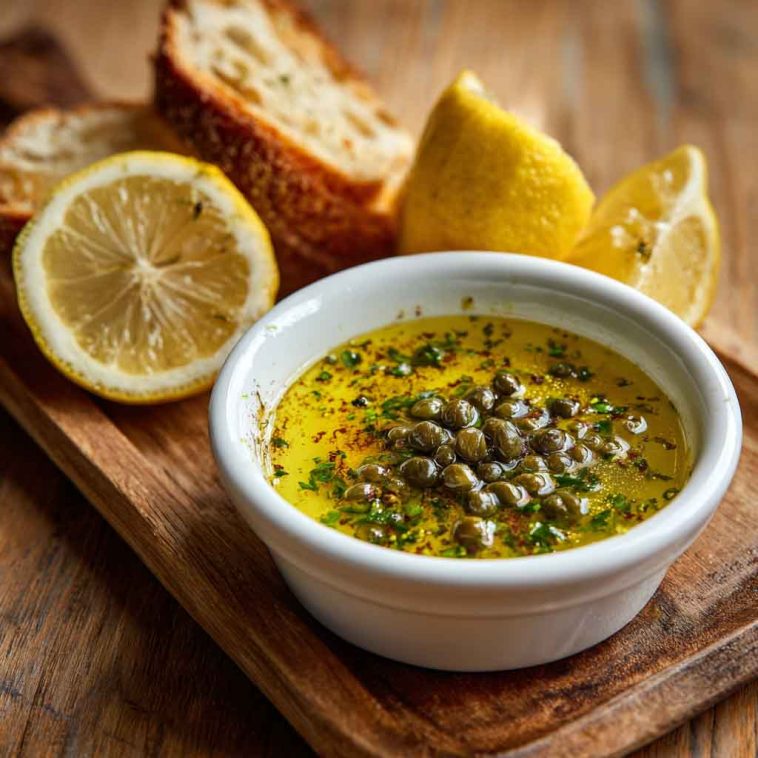
Why Lemon Caper Sauce Elevates Any Dish
Imagine the bright tang of fresh lemon mingling with the briny pop of capers, all brought together by the silky richness of butter. This is the magic of lemon caper sauce — a restaurant classic that instantly transforms simple ingredients into gourmet fare. Whether drizzled over fish, spooned onto chicken, or paired with roasted vegetables, this sauce adds elegance and depth without requiring hours in the kitchen.
What makes lemon caper sauce so beloved is its balance. The acidity of lemon cuts through richness, the capers provide savory complexity, and butter smooths everything into a velvety finish. It’s the kind of sauce you’ll find in fine dining establishments, yet it’s surprisingly easy to master at home.
In this guide, you’ll learn what lemon caper sauce is, its Mediterranean roots, and why citrus-based sauces are trending. We’ll explore its flavor and texture profile, nutritional benefits, key ingredients, and smart substitutions. Finally, you’ll get a step-by-step cooking process to help you recreate this versatile sauce in your own kitchen. By the end, you’ll see why lemon caper sauce is the secret weapon for elevating everyday meals into extraordinary experiences.
What Is Lemon Caper Sauce?
Lemon caper sauce is a quick pan sauce made by combining lemon juice, capers, butter, and aromatics like garlic or shallots. It’s typically prepared in the same skillet used to cook proteins, allowing the sauce to absorb flavorful browned bits.
Unlike piccata, which often includes flour-thickened sauce and is tied specifically to chicken or veal, lemon caper sauce is lighter and more versatile. It also differs from beurre blanc, a French butter sauce, by incorporating capers and citrus for a distinctly Mediterranean flair.
Its versatility is unmatched. Spoon it over grilled fish, roasted chicken, sautéed shrimp, or even steamed vegetables. It’s equally at home in weeknight dinners and elegant gatherings, proving that gourmet flavor doesn’t have to be complicated.
The Popularity of Bright Citrus Sauces
Bright citrus sauces have long been staples in Mediterranean cooking, where lemons are abundant and prized for their ability to balance rich flavors. In Sicily, Greece, and Southern France, lemon-based sauces are used to cut through the richness of meats and seafood, creating dishes that feel both hearty and refreshing.
Capers, another Mediterranean ingredient, add briny depth that complements citrus perfectly. Their salty, tangy bite enhances the sauce’s complexity, making it more than just lemon and butter. Together, lemon and capers create a flavor profile that feels timeless yet modern.
In recent years, social media has amplified the popularity of quick gourmet recipes. Home cooks share videos of pan-seared salmon or chicken topped with lemon caper sauce, showcasing how a simple drizzle can elevate a dish. The visual appeal of glossy, golden sauce pouring over food makes it irresistible to viewers and inspires countless recreations.
Today, lemon caper sauce is celebrated not only for its roots but also for its accessibility. It bridges tradition and trend, offering a taste of Mediterranean heritage with the ease of modern cooking.
Flavor & Texture Profile
Lemon caper sauce delivers a flavor profile that is both bold and balanced. The lemon provides bright, tangy citrus notes that awaken the palate, while the capers contribute salty, briny bursts that add savory complexity. Garlic or shallots deepen the flavor, creating a layered taste that feels both rustic and refined.
Butter is the key to texture. As it melts into the sauce, it creates a smooth, velvety finish that coats proteins and vegetables beautifully. The result is a sauce that feels indulgent yet refreshing, comforting yet light.
The texture is glossy and silky, clinging to food without being heavy. It enhances rather than overwhelms, making it the perfect companion to delicate fish, tender chicken, or crisp vegetables.
This balance of tangy, salty, and buttery notes ensures that lemon caper sauce is both versatile and universally appealing.
Nutritional Benefits & Comfort Factor
Lemon caper sauce offers both nutrition and indulgence. Lemons provide vitamin C, supporting immune health and adding antioxidant benefits. Capers contribute antioxidants and minerals, while garlic and shallots add compounds linked to heart health.
The comfort factor comes from butter, which lends richness and makes the sauce feel luxurious. Portion control ensures balance — a drizzle adds flavor without excess calories.
This combination of bright citrus, savory capers, and silky butter creates a sauce that feels gourmet yet approachable. It elevates everyday meals, turning simple proteins into comforting dishes with a touch of elegance.
Pairing the sauce with vegetables or whole grains enhances nutrition, proving that indulgence can coexist with balance.
Key Ingredients & Smart Substitutions
- Lemons: Fresh juice is essential for brightness. Bottled juice can be used in a pinch but lacks vibrancy.
- Capers: Brined capers are common, while salted capers offer more intensity (rinse before use).
- Butter: Unsalted butter allows better control of seasoning. Salted butter adds convenience.
- Aromatics: Garlic and shallots deepen flavor. Parsley adds freshness.
- Substitutions: Olive oil or vegan butter can replace traditional butter. Green olives can substitute for capers, offering similar briny notes. Vegetable broth can replace wine for a non-alcoholic version.
- Flavor Boosters: Add chili flakes for heat, or white wine for depth.
Smart substitutions make the sauce adaptable to dietary needs while preserving its essence.
Step-by-Step Cooking Process
- Sauté Aromatics: Heat 2 tbsp olive oil or butter in a skillet over medium heat. Add minced garlic or shallots and cook until fragrant, about 1–2 minutes.
- Deglaze with Lemon Juice: Pour in ¼ cup fresh lemon juice, scraping up any browned bits from the pan. This adds depth and acidity.
- Add Capers: Stir in 2 tbsp capers, allowing their briny flavor to infuse the sauce.
- Incorporate Butter: Reduce heat to low. Add 3–4 tbsp cold butter, one piece at a time, whisking until melted and the sauce becomes silky.
- Adjust Consistency: If sauce is too sharp, add a splash of broth or wine. If too thin, simmer briefly to reduce.
- Season & Garnish: Taste and adjust with salt and pepper. Finish with chopped parsley for freshness.
- Serve Immediately: Spoon over fish, chicken, or vegetables while warm.
Expert Tip: Always add butter off the heat or on very low heat to prevent splitting. This ensures a glossy, velvety sauce.

Simple Lemon Caper Sauce Recipe | Easy Mediterranean Seafood Sauce Idea
Equipment
- Skillet or saucepan
- Wooden spoon or whisk
- Measuring Cups and Spoons
- Knife and cutting board
Ingredients
- ¼ cup fresh lemon juice (about 2 lemons)
- 2 tbsp capers (brined or rinsed salted)
- 3–4 tbsp unsalted butter (cold, cubed)
- 2 tbsp olive oil
- 2 garlic cloves, minced (or 1 shallot, finely chopped)
- ¼ cup white wine or vegetable broth (optional)
- Salt and black pepper to taste
- Fresh parsley for garnish
Instructions
- Sauté Aromatics: Heat olive oil in skillet over medium heat. Add garlic or shallots and cook until fragrant.
- Deglaze with Lemon Juice: Pour in lemon juice (and wine or broth if using), scraping up browned bits.
- Add Capers: Stir in capers and simmer briefly to infuse flavor.
- Incorporate Butter: Reduce heat to low. Add butter cubes one at a time, whisking until melted and sauce becomes silky.
- Season & Garnish: Taste and adjust with salt and pepper. Finish with chopped parsley.
- Serve Immediately: Spoon over fish, chicken, pork chops, vegetables, or pasta.
Notes
- Fresh lemons matter: Bottled juice lacks vibrancy.
- Capers are salty: Taste before adding extra salt.
- Wine adds depth: Use broth for non-alcoholic version.
- Variations: Try creamy with heavy cream, spicy with chili flakes, or vegan with olive oil.
- Storage: Refrigerate for 2–3 days. Reheat gently on stovetop; avoid boiling to prevent curdling.