

 Laura Mariano
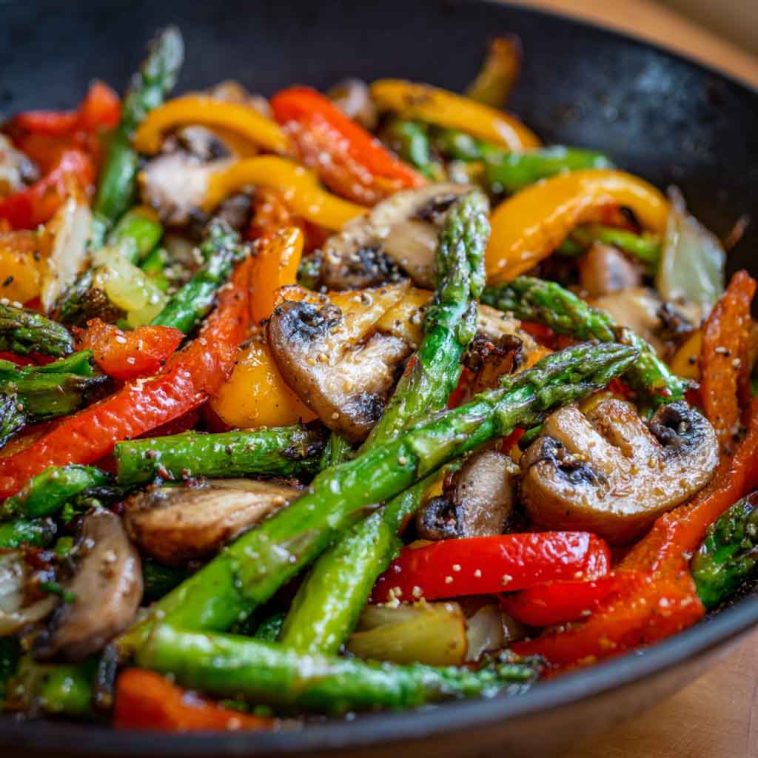
Introduction to Sautéed Vegetables
Sautéed vegetables are a go-to side dish for good reason: they’re quick to prepare, visually appealing, and packed with nutrients. Whether you’re cooking for one or feeding a crowd, sautéed veggies bring color, texture, and flavor to any meal. They’re perfect for weeknight dinners, meal prep, or adding a gourmet touch to plated entrees.
This technique allows vegetables to retain their natural vibrancy and crunch while developing rich, caramelized notes. From bell peppers to zucchini, the possibilities are endless. You can mix and match based on what’s in season or what’s in your fridge. Plus, sautéing is a great way to use up leftover produce before it spoils.
With just a bit of oil, heat, and seasoning, you can transform humble vegetables into a delicious, versatile side that complements everything from grilled meats to pasta dishes.
What Does “Sauté” Actually Mean?
“Sauté” comes from the French word sauter, meaning “to jump” — a nod to the way food moves in a hot pan. It’s a cooking technique that involves quickly cooking food in a small amount of oil or fat over high heat, often with constant stirring or tossing.
Unlike stir-frying, which uses even higher heat and typically a wok, sautéing is done in a skillet and allows for slightly longer cooking times. Roasting, on the other hand, uses dry heat in the oven and takes much longer, often resulting in deeper caramelization but less crisp texture.
Sautéing is ideal for preserving the natural flavor, color, and texture of vegetables. It’s fast, efficient, and perfect for layering flavors. The key to success? High heat and constant movement. This prevents sticking and ensures even cooking.
Tip: Preheat your pan and keep the veggies moving — that’s the secret to perfect sautéing.
Choosing the Right Vegetables
Not all vegetables sauté equally, so choosing the right mix is essential. The best candidates include bell peppers, zucchini, mushrooms, onions, carrots, broccoli, and green beans. These vegetables hold up well to high heat and develop delicious flavor when caramelized.
Mixing textures and colors creates a visually appealing and satisfying dish. For example, pair soft zucchini with crisp carrots, or earthy mushrooms with sweet bell peppers. This contrast keeps each bite interesting and balanced.
Seasonal and local produce will always deliver the best flavor. In summer, try squash and corn; in winter, go for root vegetables like parsnips and turnips. Freshness matters — the more vibrant and firm your vegetables, the better they’ll sauté.
Pro Tip: Cut vegetables into uniform sizes to ensure even cooking. Larger pieces take longer and may remain undercooked while smaller ones burn. A consistent chop helps everything cook at the same rate and look polished on the plate.
Step-by-Step Sautéing Guide
Step 1: Preheat the Pan Start with a wide skillet or sauté pan. Heat it over medium-high until hot. Add a tablespoon of oil — olive, avocado, or grapeseed oil work well. The oil should shimmer but not smoke.
Step 2: Layer the Vegetables Add vegetables in stages based on their cook time. Start with firmer ones like carrots and broccoli, then add onions and bell peppers, followed by zucchini and mushrooms. Stir frequently to prevent burning and ensure even cooking.
Step 3: Season Thoughtfully Seasoning can be done during or after cooking. Salt added too early can draw out moisture, leading to steaming instead of sautéing. Instead, wait until the vegetables are nearly done to season with salt, pepper, and spices.
Step 4: Finish with Flair Once vegetables are tender-crisp and lightly browned, finish with fresh herbs like parsley or thyme. A splash of lemon juice, balsamic vinegar, or even soy sauce adds brightness and depth. Toss to coat and serve immediately.
Tip: Don’t overcrowd the pan. Too many vegetables at once will steam instead of sauté. If needed, cook in batches and combine at the end. This ensures caramelization and keeps the texture crisp.
Sautéed vegetables are best served hot, but they also reheat well for meal prep. With this method, you’ll get perfectly cooked, flavorful veggies every time.
Common Mistakes to Avoid
Overcrowding the Pan When too many vegetables are added at once, they release moisture and steam instead of sauté. This results in soggy, pale veggies. Use a wide pan and cook in batches if needed.
Using Cold Oil or Pan Adding vegetables to a cold pan or oil prevents proper searing. Always preheat your pan and wait for the oil to shimmer before adding ingredients.
Adding Salt Too Early Salt draws out moisture, which can lead to steaming. Season toward the end of cooking to preserve texture and enhance flavor.
Not Drying Vegetables Wet vegetables steam instead of sauté. After washing, pat them dry with a towel before cooking to ensure proper browning.
Tip: Use a wide skillet or sauté pan to give vegetables room to breathe. This promotes even cooking and helps develop those delicious caramelized edges that make sautéed veggies irresistible.
Sautéed Vegetables Recipe – Quick & Healthy Veggie Side Dish with Garlic & Herbs
Equipment
- Large skillet or sauté pan
- Cutting board and knife
- Spatula or tongs
- Mixing bowl (optional)
Ingredients
- 1 bell pepper, sliced
- 1 zucchini, sliced
- 1 cup mushrooms, halved
- 1 small onion, sliced
- 1 carrot, thinly sliced
- 1 cup broccoli florets
- 1 cup green beans, trimmed
- 2 tbsp olive oil or butter
- Salt and pepper to taste
- Optional: garlic, chili flakes, soy sauce, lemon juice, herbs, Parmesan, toasted nuts
Instructions
- Prep the Vegetables Wash and dry all vegetables. Slice into uniform pieces for even cooking.
- Preheat the Pan Heat a large skillet over medium-high heat. Add oil and let it shimmer.
- Layer the Vegetables Start with firmer vegetables like carrots and broccoli. After 2–3 minutes, add onions, bell peppers, and green beans. Finish with zucchini and mushrooms.
- Sauté with Movement Stir or toss frequently to prevent sticking and ensure even browning.
- Season and Finish Add salt, pepper, and optional flavorings like garlic, soy sauce, or chili flakes. Cook until vegetables are tender-crisp and lightly caramelized.
- Serve and Garnish Finish with lemon juice, fresh herbs, grated Parmesan, or toasted nuts. Serve hot.
Notes
- Don’t overcrowd the pan — work in batches if needed.
- Dry vegetables thoroughly to avoid steaming.
- Use seasonal produce for best flavor and variety.
- Reheat leftovers in a skillet to maintain texture.
- Store in the fridge for up to 4 days in an airtight container.