

 Laura Mariano
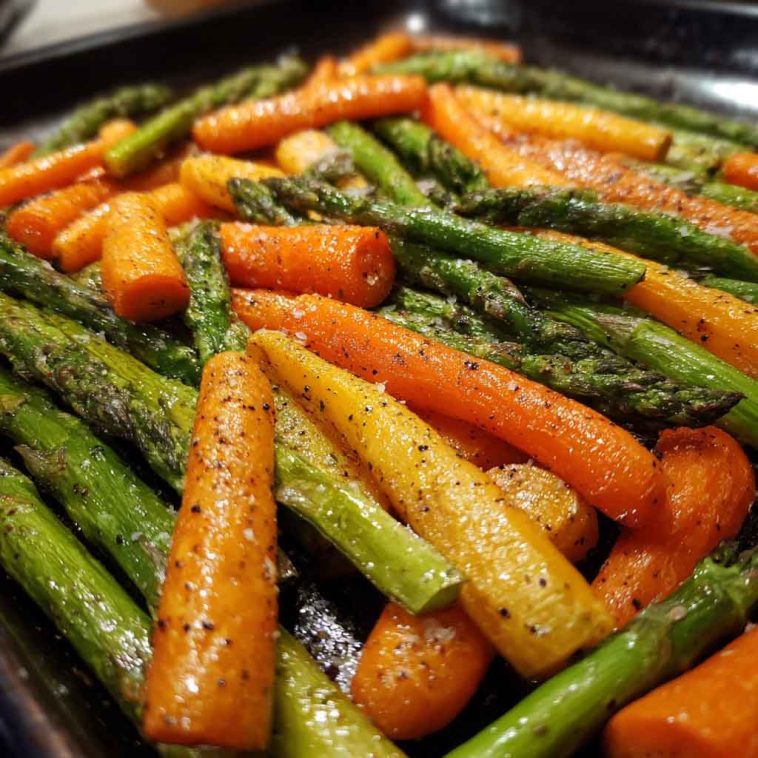
A Simple Side That Steals the Show
There’s something magical about the way vegetables transform in the oven. I still remember the first time I roasted asparagus and carrots together—it was early spring, and the market was bursting with fresh produce. I tossed them with olive oil, garlic, and a sprinkle of sea salt, and what came out of the oven was nothing short of addictive: caramelized edges, tender centers, and a flavor that felt both rustic and refined.
Roasted asparagus and carrots are the kind of side dish that quietly steals the spotlight. They’re easy to prep, quick to cook, and pair beautifully with everything from grilled chicken to pasta or grain bowls. Whether you’re hosting a dinner party or just trying to eat more veggies, this recipe delivers.
In this guide, you’ll learn how to select the best produce, prep it for optimal roasting, season it like a pro, and roast it to golden perfection—crispy, colorful, and full of flavor.
Why Asparagus & Carrots Work So Well Together
Asparagus and carrots may seem like an unlikely duo, but they complement each other beautifully. Carrots bring a natural sweetness and earthy depth, while asparagus adds a grassy brightness and slight bitterness that balances the dish. Together, they create a flavor contrast that’s both vibrant and satisfying.
Texture-wise, they’re a dream team. Carrots roast into tender bites with caramelized edges, while asparagus stays crisp-tender with a slight snap. When cut to similar sizes and roasted side by side, they cook evenly and offer a pleasing variety in every forkful.
Nutritionally, this combo is a powerhouse. Carrots are rich in beta-carotene, fiber, and vitamin K, while asparagus offers folate, vitamin C, and antioxidants. It’s a side dish that’s not only delicious but also nourishing—perfect for rounding out any meal with color, crunch, and goodness.
Choosing the Best Produce
Start with fresh, vibrant vegetables. For asparagus, look for firm spears with tightly closed tips and a rich green color. Avoid limp stalks or faded ends. Thickness matters too—medium spears are ideal for roasting, as they hold up well without becoming stringy or mushy.
Carrots offer more variety. Baby carrots are convenient but often lack flavor. For best results, go with whole carrots—orange, rainbow, or heirloom varieties. Rainbow carrots add visual appeal and subtle flavor differences, while heirlooms tend to be sweeter and more tender.
Seasonal timing makes a difference. Spring is peak season for asparagus, while carrots are available year-round but taste best in cooler months. Buying local and in-season ensures maximum flavor and freshness.
Pro tip: If your carrots are especially thick, slice them lengthwise so they roast evenly alongside asparagus. Uniform size is key to perfect texture.
Prepping for Roasting Success
Proper prep sets the stage for perfect roasting. Start by trimming asparagus—snap off the woody ends where they naturally break, or cut about 1–2 inches from the bottom. This ensures tender bites from tip to base.
For carrots, peel if desired, then slice into sticks or coins that match the thickness of your asparagus. Uniformity is crucial—if one veggie is thicker than the other, it’ll roast unevenly.
Before seasoning, dry your veggies thoroughly. Moisture prevents caramelization and can lead to steaming instead of roasting. Use a clean kitchen towel or paper towels to blot them dry.
Pro tip: Toss veggies in a bowl with oil and seasonings before spreading them on the pan. This ensures even coating and better flavor distribution.
With just a few minutes of thoughtful prep, you’ll set yourself up for golden, crispy edges and perfectly roasted vegetables every time.
Seasoning & Oil Options
The beauty of roasted veggies is how well they absorb flavor. Start with a classic combo: olive oil, salt, pepper, and minced garlic. It’s simple, reliable, and lets the natural sweetness of the carrots and the grassy notes of asparagus shine.
Want to elevate things? Try a balsamic glaze for tangy depth, lemon zest for brightness, or a sprinkle of parmesan for savory richness. These additions caramelize beautifully and add layers of flavor.
Herbs make a big impact. Thyme and rosemary are robust and earthy, perfect for roasting. Parsley adds a fresh finish post-roast. You can also experiment with dill, tarragon, or even za’atar for a Middle Eastern twist.
Bold tip: Don’t overcrowd the pan. Give your veggies space to roast, not steam. A single layer with room to breathe ensures crisp edges and concentrated flavor.
Oven Temperature & Timing Tips
Roasting is all about high heat and timing. The sweet spot for roasted asparagus and carrots is 400–425°F (200–220°C). This temperature caramelizes the natural sugars without burning the edges.
Carrots take slightly longer than asparagus, so if your carrot pieces are thick, start roasting them 5–7 minutes earlier, then add asparagus to the pan. Alternatively, cut carrots thinner to match asparagus cook time.
Roast for 20–25 minutes, flipping halfway through for even browning. You’ll know they’re done when the carrots are fork-tender and the asparagus has crisp tips and a slight char.
Bold tip: Use parchment paper or a silicone baking mat. It prevents sticking, makes cleanup easy, and helps veggies roast evenly. For extra crispness, skip parchment and roast directly on a lightly oiled pan—but watch closely to avoid burning.
Step-by-Step Roasting Instructions
Step 1: Preheat & Prep Preheat your oven to 425°F (220°C). Line a large sheet pan with parchment paper for easy cleanup and even roasting.
Step 2: Toss with Oil & Seasonings In a large bowl, toss trimmed asparagus and sliced carrots with olive oil, salt, pepper, and minced garlic. Add herbs like thyme or rosemary if desired. Make sure everything is evenly coated.
Step 3: Arrange in a Single Layer Spread the veggies out on the sheet pan in a single layer, leaving space between pieces. Overcrowding leads to steaming instead of roasting.
Step 4: Roast Until Golden & Tender Roast for 20–25 minutes, flipping halfway through. Carrots should be fork-tender with caramelized edges, and asparagus should be crisp-tender with slightly charred tips.
Step 5: Garnish & Serve Finish with a sprinkle of lemon zest, grated parmesan, or fresh parsley. Serve warm as a side or toss into grain bowls or pasta.
Bold Tips for Texture & Flavor
- Dry veggies thoroughly before roasting for better browning.
- Use high heat and avoid overcrowding for crisp edges.
- Add a splash of balsamic vinegar in the last 5 minutes for a tangy glaze.
Serving Suggestions & Pairings
Roasted asparagus and carrots pair beautifully with grilled meats like chicken, steak, or salmon. They also complement pasta dishes, especially creamy or lemon-based sauces, and add color and texture to grain bowls with quinoa or farro.
To turn this side into a full meal, top with a fried egg, crumbled feta, or chickpeas for protein. You can also toss the roasted veggies with cooked pasta and a drizzle of olive oil for a quick vegetarian dinner.
For entertaining, serve on a platter with a sprinkle of fresh herbs and a drizzle of glaze or lemon juice. The vibrant colors and caramelized edges make it a visually appealing addition to any table.
Storage, Freezing & Reheating
Storage: Cool leftovers completely and store in an airtight container in the fridge for up to 3 days.
Freezing: Carrots freeze well—place in a freezer-safe bag and store for up to 2 months. Asparagus can be frozen, but may lose its crisp texture. If freezing both, expect a softer consistency upon reheating.
Reheating: Reheat in a 375°F oven for 8–10 minutes to restore some crispness. Avoid microwaving, which can make veggies soggy. A quick sauté in a hot pan also works well.
Pro tip: Add a fresh squeeze of lemon or a sprinkle of herbs after reheating to revive flavor.
Variations & Customizations
Add-ins: Try roasting with red onions, bell peppers, or baby potatoes for a heartier mix. These veggies roast well and add color and depth.
Spice it up: Add smoked paprika, cumin, or chili flakes for a bold twist. A dash of curry powder can also add warmth and complexity.
Dairy options: Top with crumbled goat cheese, feta, or parmesan after roasting for a creamy, salty finish.
Dietary notes: This dish is naturally vegan, gluten-free, and Whole30-friendly. Just skip the cheese or use compliant alternatives if needed.
Roasted veggies are endlessly adaptable—don’t be afraid to play with flavors and textures to suit your taste or pantry.
FAQs – Based on “People Also Ask”
Q1: Can I roast asparagus and carrots together? Yes! Just make sure the carrots are sliced thin enough to match the asparagus cook time. Alternatively, stagger the roasting—start carrots first, then add asparagus halfway through.
Q2: Should I peel carrots before roasting? Peeling is optional. If using organic carrots, a good scrub is often enough. Peeling gives a smoother texture and more polished look, especially for entertaining.
Q3: How do I keep asparagus from getting soggy? Dry it thoroughly before roasting, use high heat (425°F), and avoid overcrowding the pan. Crisp tips and slight char are signs of perfect asparagus.
Q4: Can I use frozen vegetables? You can, but expect softer texture. Thaw and pat dry before roasting. Fresh veggies yield better caramelization and flavor.
Q5: What herbs go best with roasted asparagus and carrots? Thyme, rosemary, and parsley are classics. For a fresh twist, try tarragon, dill, or mint—especially when serving with lemon or cheese.
Final Thoughts & Encouragement
Roasted asparagus and carrots are proof that simple ingredients can shine with the right technique. Whether you’re cooking for a busy weeknight or a festive gathering, this dish brings color, flavor, and nutrition to the table with minimal effort.
Try it once, and you’ll find yourself coming back to it again and again. Don’t hesitate to experiment—switch up the seasonings, add your favorite veggies, or turn it into a full meal. And when you do, share your twist! These veggies are meant to be enjoyed, celebrated, and passed around the table.
Roasted Asparagus & Carrots – Simple, Flavorful, and Perfectly Crispy!
Equipment
- Sheet pan
- Parchment paper (optional)
- Mixing bowl
- Tongs or spatula
- Oven
Ingredients
- 1 bunch asparagus, trimmed
- 3 large carrots, peeled and sliced
- 2 tbsp olive oil
- 2 cloves garlic, minced
- ½ tsp salt
- ¼ tsp black pepper
- 1 tsp fresh thyme or rosemary (optional)
- Lemon zest or juice (optional garnish)
- Grated parmesan or chopped parsley (optional)
Instructions
- Preheat oven to 425°F (220°C). Line a sheet pan with parchment paper.
- Prep veggies: Trim asparagus and slice carrots into thin sticks or coins.
- Toss in a bowl with olive oil, garlic, salt, pepper, and herbs.
- Arrange in a single layer on the sheet pan.
- Roast for 20–25 minutes, flipping halfway. Veggies should be golden and tender.
- Garnish with lemon zest, parmesan, or parsley. Serve warm.
Notes
- Make it a meal: Add chickpeas, quinoa, or a fried egg.
- Flavor boost: Try smoked paprika or balsamic glaze.
- Storage: Keeps in fridge for 3 days. Reheat in oven for best texture.
- Freezing: Carrots freeze well; asparagus may soften.
- Diet-friendly: Vegan, gluten-free, Whole30-compliant (skip cheese).