
 Laura Mariano
Catchy Opening & Hook
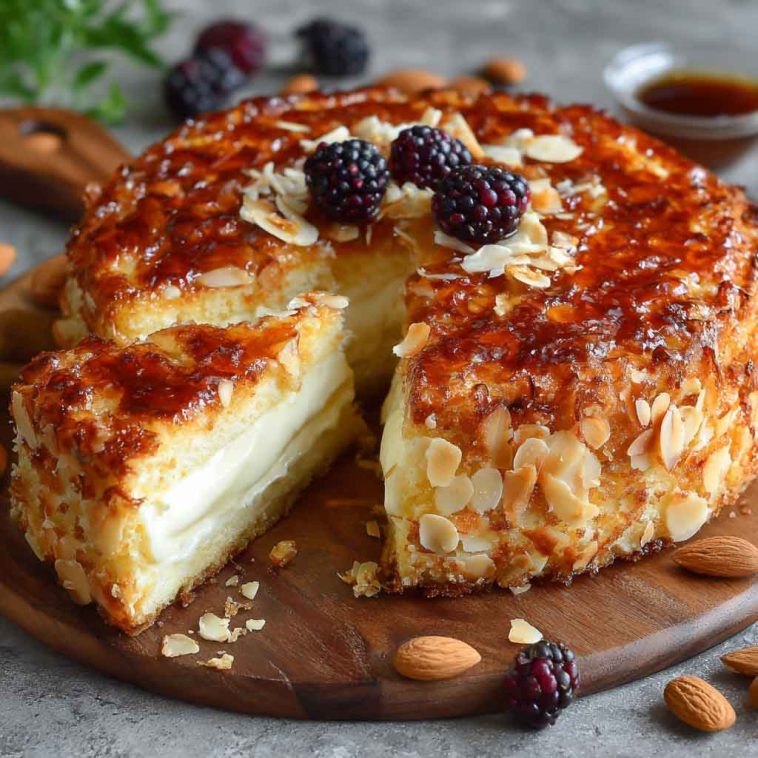
Few desserts have a name as intriguing as Bee Sting Cake. Known in Germany as Bienenstich, this cake combines a soft, yeasted base with a creamy filling and a caramelized almond-honey topping that glistens like golden nectar. Legend has it that bakers who created the cake were stung by bees attracted to the honey glaze—hence the playful name.
Despite its impressive look, Bee Sting Cake is surprisingly approachable. With a few shortcuts, even beginner bakers can achieve the signature balance of pillowy cake, luscious cream, and crunchy topping. It’s a dessert that feels celebratory yet comforting, perfect for birthdays, holidays, or simply a cozy family gathering.
What is German Bee Sting Cake?
Bee Sting Cake, or Bienenstich, is a traditional German dessert beloved for its unique combination of textures and flavors. At its core, it features a yeasted cake base, which is lighter and airier than sponge cakes. This base is split and filled with a creamy custard or vanilla filling, adding richness and indulgence.
The crowning glory is the caramelized almond-honey topping, baked until golden and crunchy. This topping not only provides sweetness but also a delightful contrast to the soft cake and smooth cream.
In German households, Bee Sting Cake is a staple for celebrations and Sunday coffee gatherings. Its balance of flavors—sweet, nutty, creamy, and slightly chewy—makes it universally appealing. Whether enjoyed at home or in a café, it’s a cake that feels both rustic and elegant, embodying the warmth of German baking traditions.
A Short History of Bee Sting Cake
The origins of Bee Sting Cake trace back to Germany in the 15th or 16th century. Folklore suggests that the cake was invented after bakers defended their village from invaders by throwing beehives at them. To celebrate their victory, they created a cake topped with honey and almonds, naming it Bienenstich—“bee sting.”
Over time, the cake evolved into a beloved classic, appearing in bakeries and cafés across Germany. Its combination of yeasted dough, creamy filling, and caramelized topping made it stand out among other pastries. By the 20th century, Bee Sting Cake had become a café staple, often served with coffee or tea.
Today, it remains a symbol of German baking heritage, cherished for its whimsical name and irresistible flavor. The story behind its creation adds charm, making it more than just a dessert—it’s a piece of culinary folklore.
Why a Quick Version Matters
Traditional Bee Sting Cake requires careful preparation: yeasted dough, homemade custard, and a caramelized topping. While delicious, it can be time-consuming. For modern home bakers, a quick version offers the same indulgence with fewer steps.
By using instant yeast, a custard mix, or even a simple whipped cream filling, the process becomes approachable without sacrificing flavor. Store-bought puffed dough or simplified toppings can also save time.
This streamlined approach makes Bee Sting Cake accessible for busy schedules, ensuring that anyone can enjoy its charm without hours in the kitchen.
Texture & Flavor Profile
Bee Sting Cake is all about contrasts. The almond-honey topping bakes into a crunchy, caramelized layer that shatters with each bite. Beneath it lies a soft, pillowy yeasted cake base, airy yet sturdy enough to hold the filling.
The middle layer of creamy vanilla custard or whipped cream adds indulgence, balancing the sweetness of the topping with smooth richness. Together, these elements create harmony: crunchy, soft, and creamy textures in one slice.
The flavor profile is equally balanced—nutty almonds, floral honey, and vanilla cream combine to deliver sweetness without heaviness.
Step-by-Step Overview
Making Bee Sting Cake involves three main components: the base, the filling, and the topping.
- Prepare the Base: Mix instant yeast with flour, sugar, and milk to form a soft dough. Let it rise briefly, then spread into a baking pan.
- Add the Topping: Before baking, spread a mixture of honey, sugar, butter, and sliced almonds over the dough. This caramelizes in the oven, forming the signature crunchy top.
- Bake: Bake until golden and cooked through. Cool completely before slicing.
- Make the Filling: Prepare custard using a mix or homemade recipe. Chill until thickened.
- Assemble: Slice the cooled cake horizontally. Spread custard or cream filling evenly, then replace the top layer.
- Rest & Serve: Chill for at least an hour to allow flavors to meld. Slice into squares or wedges.
Tips for Success:
- Dock the dough lightly with a fork to prevent uneven rising.
- Chill the filling thoroughly before assembly to avoid runny layers.
- Use parchment paper for easy removal from the pan.
This quick version saves time while preserving the essence of the classic Bee Sting Cake.
Quick German Bee Sting Cake Recipe – Easy Dessert Idea
Equipment
- Mixing bowls
- Whisk
- Saucepan
- Baking pan (9x13 inch or round)
- Oven
- Offset spatula
- Sharp knife
Ingredients
For the Cake Base
- 2 cups all-purpose flour
- 2 tsp instant yeast
- ½ cup warm milk
- ¼ cup sugar
- 1 egg
- 3 tbsp butter, softened
- Pinch of salt
For the Almond-Honey Topping
- ½ cup sliced almonds
- ¼ cup honey
- ¼ cup sugar
- 3 tbsp butter
For the Filling
- 2 cups milk
- 1 packet vanilla custard mix (or homemade custard)
- 2 tbsp sugar
- 1 cup heavy cream, whipped
Instructions
- Prepare Dough: Mix flour, yeast, sugar, milk, egg, butter, and salt. Knead until smooth. Let rise 45 minutes.
- Make Topping: Heat honey, sugar, and butter until bubbling. Stir in almonds. Spread over risen dough.
- Bake: Bake at 350°F (175°C) for 25–30 minutes until golden. Cool completely.
- Prepare Filling: Cook custard with milk and sugar. Cool, then fold in whipped cream for lightness.
- Assemble: Slice cake horizontally. Spread filling on bottom half, then replace top layer.
- Chill & Serve: Refrigerate 1 hour before slicing for neat layers.
Notes
- Variations: Try chocolate drizzle, fruit jam layers, or mini cupcake versions.
- Storage: Refrigerate for 2–3 days. Freeze cake base separately for up to 2 months.
- Tips: Chill filling thoroughly before assembly to prevent runny layers. Dock dough lightly with a fork to avoid uneven rising.
- Pairings: Best served with coffee, tea, or sparkling wine.