

 Laura Mariano
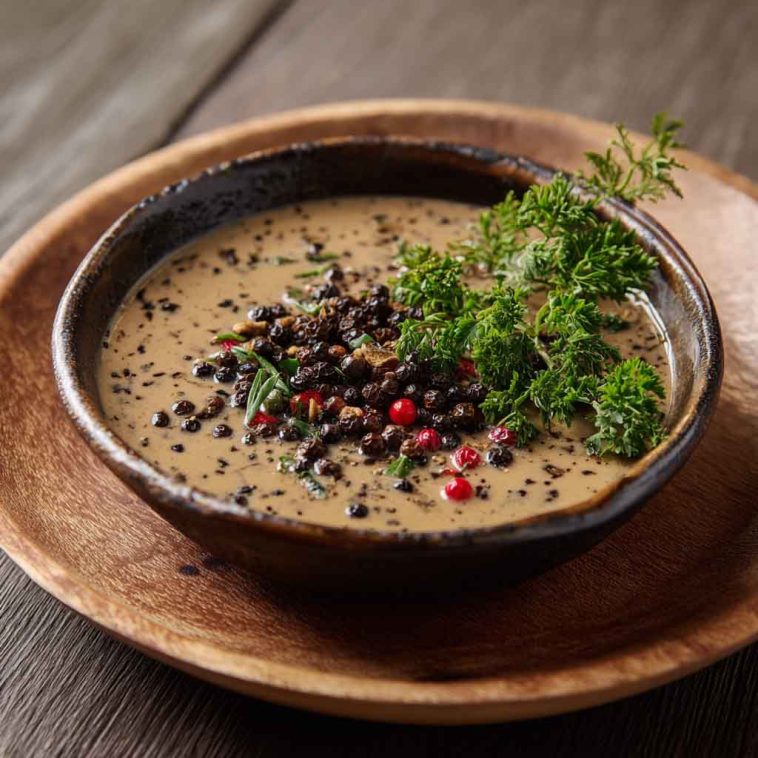
Why Peppercorn Sauce Is the Ultimate Steak Companion
Imagine cutting into a perfectly seared steak, only to have it bathed in a creamy, peppery sauce that elevates every bite. That’s the magic of peppercorn sauce — a restaurant classic that transforms simple proteins into gourmet experiences. Its velvety texture and bold flavor make it the ideal companion not only for steak but also for chicken, pork, or even roasted vegetables.
Peppercorn sauce is beloved in fine dining for its ability to balance richness with spice. The cracked peppercorns provide a gentle heat, while cream and stock mellow the intensity into a smooth, luxurious finish. A splash of brandy or cognac adds subtle sweetness and depth, creating a sauce that feels indulgent yet approachable.
In this guide, you’ll learn what peppercorn sauce is, why it’s so popular in steakhouses, and how to master it at home. We’ll explore its flavor profile, nutritional benefits, key ingredients, and smart substitutions. Finally, you’ll get a step-by-step process to recreate this iconic sauce in your own kitchen. Whether you’re cooking for a special occasion or simply want to elevate a weeknight dinner, peppercorn sauce proves that gourmet flavor is within reach.
What Is Peppercorn Sauce?
Peppercorn sauce is a creamy, savory condiment made with cracked peppercorns, cream, stock, and brandy. It’s designed to complement proteins, particularly steak, by adding richness and spice. The sauce begins with sautéed shallots or onions, followed by deglazing with brandy or cognac. Stock is added and reduced, then cream is stirred in for a silky finish.
Unlike gravy, which is typically flour-thickened and more rustic, peppercorn sauce is refined and velvety. It also differs from béarnaise, which is egg-based and tangy with herbs. Peppercorn sauce focuses on creaminess and spice, offering a bold yet balanced flavor.
Its versatility makes it a favorite across cuisines. While traditionally paired with steak, it works beautifully with chicken, pork, or even roasted vegetables, proving that its appeal extends far beyond fine dining.
The Popularity of Peppercorn Sauce in Fine Dining
Peppercorn sauce has deep roots in French cuisine, where sauces are considered the pinnacle of culinary artistry. Known as sauce au poivre, it became a staple in classic French cooking and quickly spread to steakhouses worldwide. Its luxurious texture and bold flavor made it a natural pairing for grilled meats, cementing its reputation as a fine dining essential.
In steakhouses, peppercorn sauce is often the highlight of the meal. Diners expect it as a signature accompaniment, elevating the steak from simple grilled meat to a gourmet dish. The sauce’s balance of creaminess and spice appeals to a wide range of palates, making it universally loved.
Social media has further boosted its popularity. Home cooks share videos of sizzling steaks topped with glossy peppercorn sauce, inspiring others to recreate the restaurant experience at home. Food bloggers highlight variations, from green peppercorn versions to dairy-free adaptations, proving its versatility.
Ultimately, peppercorn sauce remains timeless. Its French roots, steakhouse tradition, and modern-day social media presence ensure it continues to be celebrated as the ultimate companion for proteins.
Flavor & Texture Profile
Peppercorn sauce is defined by its creamy, velvety base and bold peppercorn bite. The cracked peppercorns release oils that infuse the sauce with gentle heat and aromatic spice. This is balanced by the richness of cream, which softens the intensity and creates a smooth mouthfeel.
Shallots or onions add subtle sweetness, while brandy or cognac contributes depth and a hint of fruitiness. Stock provides savory backbone, ensuring the sauce is hearty without being overwhelming. The result is a harmonious blend of flavors: spicy, savory, creamy, and slightly sweet.
Texture-wise, the sauce is silky and coats proteins beautifully. It clings to steak or chicken, enhancing each bite without overpowering. The peppercorns provide occasional bursts of crunch and spice, adding interest to the otherwise smooth consistency.
Together, these elements create a sauce that feels indulgent yet balanced — bold enough to stand out, but refined enough to complement rather than dominate.
Nutritional Benefits & Comfort Factor
Peppercorn sauce, while indulgent, offers nutritional benefits. Peppercorns are rich in antioxidants and compounds that support digestion and metabolism. They add flavor without excessive calories, making them a smart way to enhance dishes.
Cream contributes calcium and energy, supporting bone health and satiety. While high in fat, portion control ensures the sauce can be enjoyed without excess. Stock adds protein and minerals, especially if made from bones or vegetables.
Beyond nutrition, peppercorn sauce delivers comfort with gourmet flair. Its creamy texture and bold flavor evoke the indulgence of fine dining, yet it’s simple enough to prepare at home. Serving it over steak or chicken transforms a meal into an experience, offering both nourishment and joy.
The key is moderation. A few spoonfuls elevate a dish without overwhelming it, making peppercorn sauce a balanced indulgence that combines healthful elements with comfort food appeal.
Key Ingredients & Smart Substitutions
- Peppercorns: Black peppercorns are classic, offering bold spice. Green peppercorns are milder and slightly fruity. Pink peppercorns add floral notes, while mixed peppercorns create complexity.
- Cream: Heavy cream delivers richness, but half-and-half or dairy-free alternatives like coconut cream or oat milk can be used.
- Alcohol: Brandy or cognac are traditional, adding depth and sweetness. Whiskey offers smokiness. For non-alcoholic versions, use extra stock with a splash of balsamic vinegar.
- Stock: Beef stock is traditional, but chicken or vegetable stock works well.
- Flavor Boosters: Dijon mustard adds tang, Worcestershire sauce enhances umami, and fresh herbs like thyme or parsley brighten the sauce.
Smart substitutions make peppercorn sauce adaptable. Plant-based cooks can use vegetable stock and dairy-free cream. Health-conscious versions may reduce cream or use yogurt for tang. The key is balancing creaminess, spice, and depth.
Step-by-Step Cooking Process
- Toast Peppercorns: Lightly crush peppercorns and toast in a dry skillet for 1–2 minutes to release aroma.
- Sauté Shallots: Melt butter in skillet. Add finely chopped shallots or onions. Cook until softened and fragrant.
- Deglaze with Brandy: Pour in brandy or cognac. Stir, scraping up browned bits from the pan. Let alcohol cook off.
- Add Stock: Pour in beef or chicken stock. Simmer until reduced by half, concentrating flavor.
- Stir in Cream: Lower heat. Add heavy cream, stirring constantly until sauce thickens and becomes silky.
- Season: Taste and adjust with salt, Worcestershire sauce, or Dijon mustard if desired.
- Serve: Spoon sauce over steak, chicken, or vegetables. Garnish with fresh herbs.
Expert Tip: Always add cream last and over low heat to avoid splitting.

Peppercorn Sauce Recipe | Classic Steakhouse Condiment for Gourmet Dinner
Equipment
- Skillet or saucepan
- Wooden spoon or whisk
- Measuring Cups and Spoons
- Mortar and pestle (or rolling pin for cracking peppercorns)
Ingredients
- 2 tbsp butter
- 2 shallots, finely chopped
- 2 tbsp coarsely cracked black peppercorns (or mixed peppercorns)
- ¼ cup brandy or cognac (optional)
- 1 cup beef or chicken stock
- 1 cup heavy cream (or dairy-free alternative)
- 1 tsp Dijon mustard (optional)
- Salt to taste
- Fresh parsley for garnish
Instructions
- Toast Peppercorns: Lightly crush peppercorns and toast in a dry skillet for 1–2 minutes.
- Sauté Shallots: Melt butter in skillet. Add shallots and cook until softened.
- Deglaze: Pour in brandy or cognac. Stir, scraping up browned bits. Let alcohol cook off.
- Add Stock: Stir in stock. Simmer until reduced by half.
- Finish with Cream: Lower heat. Add cream and whisk until sauce thickens and becomes silky.
- Season & Serve: Stir in Dijon mustard if desired. Taste and adjust seasoning. Spoon over steak, chicken, or vegetables. Garnish with parsley.
Notes
- Keep peppercorns coarse: Too fine can make the sauce bitter.
- Add cream last: Prevents splitting and ensures silky texture.
- Variations: Try mushroom peppercorn sauce, white wine version, or vegan cashew cream adaptation.
- Storage: Refrigerate in airtight container for 2–3 days. Reheat gently on stovetop.