

 Laura Mariano
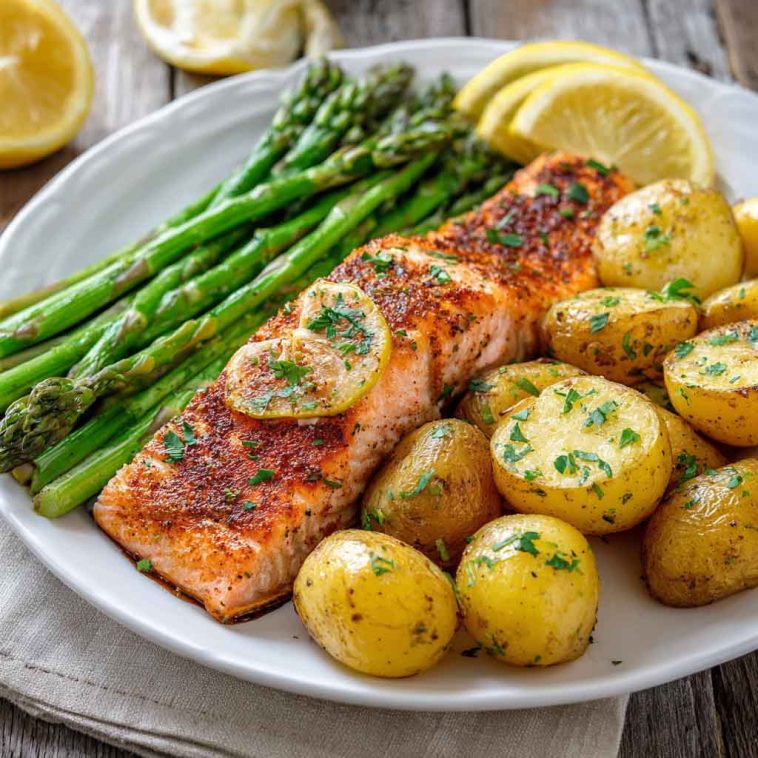
A One-Pan Wonder for Busy Weeknights
There’s something deeply satisfying about a meal that’s both elegant and effortless. I first made this baked salmon with potatoes and asparagus on a hectic Tuesday evening—no time for fuss, but craving something nourishing and flavorful. The result? A one-pan wonder that’s now a staple in my kitchen. It’s the kind of dish that feels fancy enough for guests but simple enough for a weeknight.
This recipe is a celebration of balance: flaky salmon, crispy potatoes, and vibrant asparagus, all roasted together with minimal cleanup. Whether you’re cooking for your family or just yourself, it’s a reliable go-to that delivers every time. In this post, I’ll walk you through how to choose the best ingredients, prep them for maximum flavor, and bake everything to golden perfection. You’ll leave with a foolproof method, flavor variations, and tips that make this dish shine—no matter your skill level.
Why Salmon, Potatoes & Asparagus Work So Well Together
This trio isn’t just convenient—it’s culinary harmony. Salmon brings richness and healthy fats, potatoes offer earthy comfort and satisfying starch, and asparagus adds a bright, slightly grassy snap that lifts the whole plate. Together, they create a balanced flavor profile that’s both cozy and fresh.
From a nutrition standpoint, it’s a powerhouse combo. You’ve got lean protein from the salmon, fiber and potassium from the potatoes, and vitamins A, C, and K from the asparagus. It’s a complete meal that doesn’t need anything extra—though a glass of chilled white wine wouldn’t hurt.
Texture is another win. Roasted potatoes get crispy edges and creamy centers, salmon stays tender and juicy, and asparagus retains just enough crunch to keep things interesting. It’s a dish that satisfies every craving—without the need for multiple pots or complicated steps.
Choosing the Right Salmon
The quality of your salmon makes a big difference. Wild-caught salmon tends to have a firmer texture and deeper flavor, while farmed salmon is often milder and fattier. Both work well here, but wild salmon will give you a more robust, savory bite.
Skin-on fillets are ideal for baking—they help retain moisture and crisp up beautifully under high heat. If you prefer skinless, just be sure to oil the pan well to prevent sticking.
Thickness matters too. Thicker fillets (about 1 to 1.5 inches) will take longer to cook and are less likely to dry out. If your fillets are thin, reduce the oven time slightly and keep a close eye to avoid overcooking. A good rule of thumb: salmon is done when it flakes easily with a fork and reaches an internal temperature of 125–130°F for medium.
Picking the Perfect Asparagus
Fresh asparagus should be firm, bright green, and snap easily at the ends. Thin spears cook quickly and stay crisp, while thicker stalks offer a meatier bite but need a few extra minutes in the oven. Either works—just adjust your timing accordingly.
To prep, bend each spear until it naturally snaps; this removes the woody end. You can also trim with a knife for a cleaner look. If asparagus is in season (spring is best), you’ll get unbeatable flavor and texture. Out of season? Look for imported bunches with tight tips and vibrant color.
Potato Prep: Crispy, Creamy, and Golden
Potatoes are the foundation of this dish, and choosing the right variety is key. Yukon Golds are my favorite—they roast beautifully and have a naturally buttery flavor. Baby reds are another great option, with a creamy interior and thin skin that crisps up nicely.
Cut your potatoes into uniform pieces—about 1-inch chunks—to ensure even cooking. Toss them in olive oil, salt, pepper, and any herbs you love. Spread them out in a single layer on the pan; overcrowding leads to steaming instead of roasting.
Pro tip: Preheat your baking sheet in the oven before adding the potatoes. This gives them a head start on crisping and prevents sogginess. Roast them for 20–25 minutes before adding the salmon and asparagus so they’re golden and nearly done by the time everything finishes together.
Flavor Boosters: Marinades, Herbs & Sauces
This dish shines with just salt, pepper, and olive oil—but adding a few flavor boosters takes it to the next level. A simple garlic butter or lemon-Dijon marinade works wonders on salmon. Just mix melted butter, minced garlic, lemon zest, and a touch of mustard, then brush it over the fillets before baking.
Fresh herbs like rosemary, thyme, and parsley add aroma and brightness. Toss them with the potatoes or sprinkle over the finished dish for a pop of color and flavor.
Want a little sweetness? Try a balsamic glaze or honey mustard drizzle after baking. These add depth without overpowering the natural flavors. Keep it light—this dish is all about balance.
Oven Timing & Temperature Tips
Timing is everything when baking multiple ingredients together. Start by roasting the potatoes at 425°F for 20–25 minutes. They need more time to crisp up and soften. Once they’re nearly done, add the salmon and asparagus to the pan.
Salmon typically takes 12–15 minutes to bake, depending on thickness. Asparagus cooks quickly—about 10 minutes is plenty. Arrange everything so it’s evenly spaced and not crowded.
For a golden finish, switch to broil mode for the last 2–3 minutes. This crisps the salmon edges and gives the asparagus a slight char. Just keep a close eye—broiling can go from perfect to burnt in seconds.
Tip: Use a meat thermometer for precision. Salmon is best at 125–130°F for medium, and potatoes should be fork-tender with crispy edges.
Step-by-Step Cooking Instructions
Step 1: Preheat and Prep Preheat your oven to 425°F (220°C). Line a large baking sheet with parchment paper or foil for easy cleanup. Wash and dry all produce. Cut potatoes into 1-inch chunks, trim asparagus, and pat salmon fillets dry with paper towels.
Step 2: Roast Potatoes First Toss potatoes with olive oil, salt, pepper, and herbs like rosemary or thyme. Spread them out in a single layer and roast for 20–25 minutes, flipping halfway through for even browning.
Step 3: Add Salmon and Asparagus Remove the pan from the oven. Nestle salmon fillets among the potatoes and arrange asparagus spears around them. Drizzle asparagus with a little olive oil and season lightly.
Step 4: Brush with Marinade or Butter Brush salmon with garlic butter, lemon-Dijon marinade, or your favorite glaze. This adds flavor and helps lock in moisture.
Step 5: Bake and Broil Return the pan to the oven and bake for 12–15 minutes, depending on salmon thickness. For a golden finish, broil for the last 2–3 minutes, watching closely to avoid burning.
Bold Tips for Timing & Texture
- Use a meat thermometer: salmon is perfect at 125–130°F.
- Don’t overcrowd the pan—space equals crispness.
- Preheating the pan before adding potatoes gives them a head start on crisping.
- Thin asparagus? Add it halfway through salmon cooking time to avoid overcooking.
Storage, Freezing & Reheating Tips
Storing Leftovers Cool everything completely before transferring to airtight containers. Store in the fridge for up to 3 days.
Freezing Instructions Salmon freezes well—wrap tightly in foil or plastic, then place in a freezer-safe bag. Freeze for up to 2 months. Asparagus and potatoes can be frozen, but may lose texture.
Reheating Without Drying Out Reheat salmon gently in a low oven (300°F) for 10–12 minutes, covered with foil to retain moisture. Avoid microwaving—it tends to dry out fish and make veggies soggy. For potatoes, a quick pan sauté or air fryer blast restores crispness.
Common Mistakes to Avoid
Overcrowding the Pan Too many ingredients packed together leads to steaming, not roasting. Use a large sheet pan or split into two if needed.
Uneven Potato Sizes Inconsistent cuts mean uneven cooking. Stick to uniform 1-inch chunks for golden, creamy results.
Not Drying Salmon Before Baking Moisture on the surface prevents browning and can make the fish mushy. Pat fillets dry with paper towels before seasoning.
Skipping Seasoning Layers Season each component—potatoes, salmon, asparagus—individually. This ensures every bite is flavorful and balanced.
FAQs – Based on “People Also Ask”
Q1: Can I use frozen salmon for this recipe? Yes! Just thaw it completely in the fridge overnight and pat dry before cooking. Frozen salmon can release extra moisture, so drying is key for good texture.
Q2: What temperature should salmon be cooked to? For medium doneness, aim for an internal temperature of 125–130°F (52–54°C). Use a meat thermometer for accuracy. The salmon should flake easily with a fork.
Q3: Can I substitute other vegetables? Absolutely. Try broccoli, green beans, zucchini, or Brussels sprouts. Just adjust roasting times—denser veggies like Brussels may need more time, while zucchini cooks quickly.
Q4: How do I know when salmon is done? Look for opaque flesh that flakes easily with a fork. The center should be slightly translucent and moist. Overcooked salmon becomes dry and chalky.
Q5: Is this recipe healthy for weight loss or meal prep? Yes! It’s high in protein, fiber, and healthy fats. Use minimal oil and skip sugary glazes for a lighter version. It’s great for meal prep—just portion into containers and reheat gently.
Final Thoughts & Encouragement
This one-pan salmon dinner is more than just a recipe—it’s a weeknight lifesaver. Whether you’re cooking for one or feeding a crowd, it’s fast, flavorful, and endlessly adaptable. Try it with seasonal veggies, switch up the marinades, or add a sprinkle of chili flakes for heat.
If you make it, share your version! Tag your photos, swap tips, and let others know how you made it your own. It’s perfect for casual entertaining or cozy nights in—and once you’ve tried it, you’ll wonder how you ever lived without it.
One-Pan Baked Salmon with Potatoes & Asparagus – Easy, Healthy & Delicious!
Equipment
- Large sheet pan
- Parchment paper or foil
- Mixing bowls
- Basting brush
- Meat thermometer (optional)
Ingredients
- 4 salmon fillets (skin-on or skinless, 1–1.5 inches thick)
- 1 lb baby potatoes (Yukon Gold or red), cut into 1-inch chunks
- 1 bunch asparagus, trimmed
- 3 tbsp olive oil
- 2 tbsp melted butter
- 2 cloves garlic, minced
- 1 tsp Dijon mustard
- Zest of 1 lemon
- 1 tsp fresh rosemary (or thyme)
- Salt and pepper to taste
- Optional: parsley for garnish, balsamic glaze or honey mustard drizzle
Instructions
- Preheat oven to 425°F (220°C). Line a large sheet pan with parchment or foil.
- Prep potatoes: Toss chunks with 2 tbsp olive oil, salt, pepper, and rosemary. Spread evenly on the pan and roast for 20–25 minutes.
- Make marinade: Mix melted butter, garlic, Dijon mustard, and lemon zest in a small bowl.
- Add salmon and asparagus: Remove pan from oven. Nestle salmon fillets among potatoes. Toss asparagus with remaining olive oil and arrange around salmon.
- Brush salmon with marinade. Season asparagus lightly with salt and pepper.
- Bake for 12–15 minutes, until salmon flakes easily and asparagus is tender.
- Broil for 2–3 minutes for a golden finish. Watch closely to avoid burning.
- Garnish with parsley and optional glaze. Serve immediately.
Notes
- Salmon doneness: Internal temp of 125–130°F yields moist, flaky fish.
- Vegetable swaps: Try broccoli, green beans, or zucchini. Adjust roasting time accordingly.
- Make it spicy: Add chili flakes or smoked paprika to the marinade.
- Meal prep tip: Store in airtight containers and reheat gently in a low oven.
- Seasonal twist: Use spring asparagus and fresh herbs for peak flavor.