
 Laura Mariano
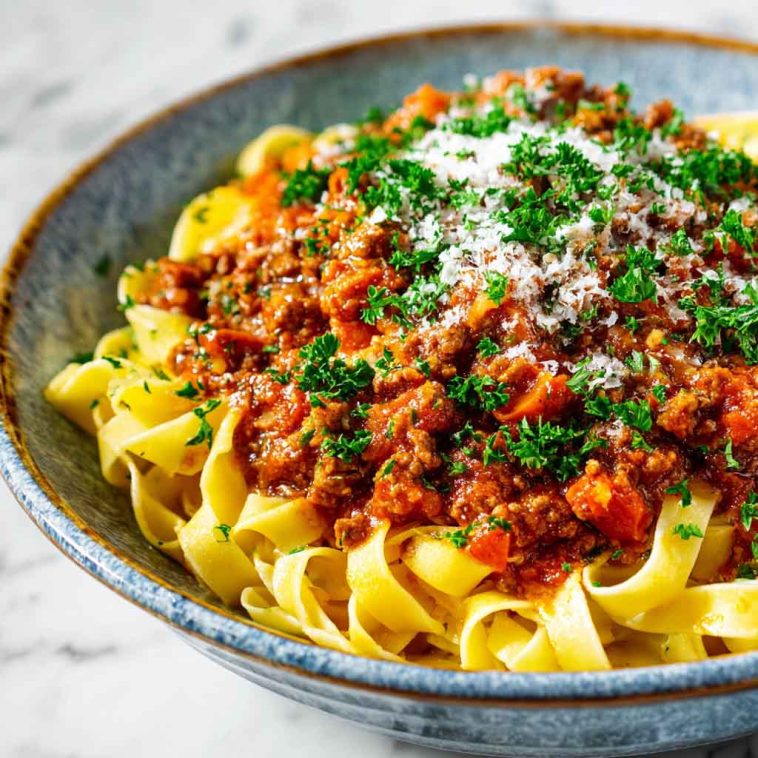
Marcella Hazan’s Bolognese Sauce: The Gold Standard of Italian Comfort
Few recipes embody Italian comfort quite like Marcella Hazan’s Bolognese. Known as the “doyenne of Italian cuisine,” Hazan transformed the way Americans cook and eat Italian food. Her Bolognese sauce, slow-simmered and deeply flavorful, is more than a recipe—it’s a masterclass in patience and authenticity. With humble ingredients—meat, milk, wine, and tomato—she created a dish that feels both rustic and refined. Hazan’s influence endures because she taught us that true Italian cooking is about respect for tradition, simplicity, and time. This sauce remains the benchmark for home cooks seeking the soul of Bologna in their kitchens.
Who Was Marcella Hazan?
Marcella Hazan (1924–2013) was born in Cesenatico, Emilia-Romagna, the very region that gave the world Bolognese. Trained as a scientist, she never cooked until moving to America in the 1950s. Yet, she became one of the most influential culinary voices of the 20th century. Her seminal book Essentials of Classic Italian Cooking introduced millions of Americans to authentic Italian food, stripping away the heavy, Americanized versions of “red sauce” pasta and replacing them with dishes rooted in tradition.
Hazan’s teaching style was uncompromising yet nurturing. She insisted on precision—no shortcuts, no substitutions—because Italian cooking, she believed, was about honoring ingredients and technique. Julia Child called her “my mentor in all things Italian,” and the New York Times declared her impact “impossible to overstate.” Her Bolognese recipe became legendary because it distilled centuries of Emilia-Romagna tradition into a dish accessible to home cooks. By guiding Americans through the slow simmer of milk, wine, and tomato, Hazan taught patience and respect for flavor. Her legacy is not just a collection of recipes but a philosophy: cook simply, cook honestly, and let time do the work.
Why This Recipe Works
Marcella Hazan’s Bolognese is a triumph of balance and patience. Unlike quick sauces, it relies on slow cooking to coax depth from simple ingredients. The meat—usually a blend of beef and pork—provides a savory backbone. Milk tempers acidity and enriches the sauce, while wine adds complexity and brightness. Tomatoes, used sparingly, lend subtle sweetness without overwhelming the meat.
The genius lies in the method: each ingredient is layered deliberately. Aromatics are softened slowly to build sweetness. Meat is browned gently, never rushed, to preserve tenderness. Milk is simmered until absorbed, creating a creamy foundation. Wine follows, evaporating to leave only its nuanced flavor. Finally, tomatoes are added, and the sauce is left to burble lazily for hours.
Cooking uncovered allows evaporation, concentrating flavors into a velvety ragù. The result is not a tomato-heavy sauce but a meat sauce with whispers of dairy and wine, harmonized into richness. Hazan’s insistence on patience—three to six hours of simmering—ensures the sauce achieves its legendary texture and taste. It works because it respects tradition: slow cooking, careful layering, and restraint. This is why her Bolognese remains the gold standard—it’s not just food, it’s culinary philosophy.
The Flavor Profile Explained
The beauty of Hazan’s Bolognese lies in its subtle interplay of flavors.
- Beef and Pork: Together, they form the savory backbone. Beef provides depth, while pork adds sweetness and fat that enriches the sauce.
- Milk: A surprising addition, milk mellows the acidity of tomatoes and creates a creamy undertone. It softens the meat and balances sharpness, ensuring the sauce is velvety rather than harsh.
- Wine: Hazan allowed for either white or red wine. White adds brightness and delicacy, while red contributes robustness. In either case, the wine evaporates, leaving behind complexity and balance.
- Tomato: Unlike many American versions, Hazan’s Bolognese uses tomatoes sparingly. They provide gentle sweetness and color but never dominate. The sauce is meat-forward, with tomato as a supporting note.
The result is a sauce that is savory yet gentle, rich yet balanced. Each bite reveals layers: the sweetness of soffritto, the creaminess of milk, the depth of meat, and the subtle tang of wine. It’s a flavor profile that feels both rustic and refined, comforting yet sophisticated. Hazan’s genius was in restraint—she showed that true flavor comes not from excess but from harmony.
Ingredient Highlights
Marcella Hazan’s Bolognese is deceptively simple, built from everyday ingredients elevated by technique:
- Meat: A mix of ground beef and pork (sometimes veal) creates balance. Beef offers depth, pork adds sweetness and fat, and veal lends delicacy. Hazan emphasized not using overly lean cuts—fat is flavor.
- Aromatics: Onion, carrot, and celery form the soffritto, the aromatic base of Italian cooking. Slowly sautéed, they provide sweetness and complexity without browning.
- Dairy: Whole milk is essential. It tempers acidity, enriches texture, and ensures the sauce is mellow rather than sharp.
- Wine: Dry white or red wine works. White keeps the sauce lighter, while red deepens flavor. Either way, wine adds balance and sophistication.
- Tomato: Quality matters. Hazan recommended imported Italian plum tomatoes, ideally San Marzano. They add subtle sweetness and color without overwhelming the meat.
Tip: Avoid shortcuts. Each step—softening aromatics, simmering milk, evaporating wine, and slow-cooking tomatoes—builds flavor. Skipping or rushing undermines the sauce’s integrity.
This ingredient list reflects Hazan’s philosophy: simplicity, patience, and respect for tradition. Nothing is exotic, yet the result is extraordinary. It’s proof that Italian cooking is about technique, not complication.
Step-by-Step Cooking Process
- Sauté Aromatics: Begin with butter and oil in a heavy pot. Add onion, carrot, and celery. Cook slowly until softened, never browned, to build sweetness.
- Brown Meat: Add ground beef and pork. Break apart gently with a spoon. Cook until just losing its raw color—avoid aggressive browning, which toughens meat.
- Add Milk: Pour in whole milk. Simmer gently until fully absorbed, stirring often. This step mellows acidity and enriches texture. A pinch of nutmeg adds warmth.
- Deglaze with Wine: Add dry white or red wine. Simmer until evaporated, leaving behind complexity and balance.
- Add Tomato: Stir in quality canned tomatoes. Once bubbling, reduce heat to the gentlest simmer. The sauce should barely move, with occasional bubbles breaking the surface.
- Long Simmer: Cook uncovered for 3–6 hours. Stir occasionally, adding small amounts of water if needed to prevent sticking. By the end, water should be gone, and fat should separate slightly from the sauce.
- Final Seasoning: Taste and adjust with salt and pepper. Toss with hot pasta—traditionally tagliatelle—and finish with butter and Parmigiano-Reggiano.
Pro Tip: Cook uncovered. Evaporation concentrates flavors, creating the luxurious texture that defines Hazan’s Bolognese.
This process is not fast food—it’s slow food at its finest. Each stage builds upon the last, layering flavor and texture until the sauce becomes greater than the sum of its parts. Hazan’s genius was in teaching home cooks that patience is the secret ingredient.
Serving Suggestions & Pairings
Marcella Hazan’s Bolognese is traditionally paired with tagliatelle, the wide ribbons of pasta that cling beautifully to the sauce. Unlike spaghetti, which she considered ill-suited for ragù, tagliatelle provides the right surface and texture. Fresh egg pasta is ideal, but high-quality dried pasta works in a pinch.
Beyond pasta, Hazan herself recommended serving Bolognese with lasagna, layered with béchamel and Parmigiano-Reggiano for a luxurious dish. It also pairs well with gnocchi or even polenta, offering rustic alternatives.
For wine pairings, a Sangiovese-based red (like Chianti Classico) complements the sauce’s richness, while a Barbera adds bright acidity. If using white wine in the sauce, a crisp Italian white such as Verdicchio or Soave makes a harmonious match.
Accompaniments should be simple: a green salad dressed lightly with olive oil and vinegar, crusty bread to mop up the sauce, and perhaps roasted vegetables. Hazan’s philosophy was always restraint—let the Bolognese shine without distraction.
Cultural Significance
Bolognese sauce, or ragù alla Bolognese, is more than food—it’s a cultural emblem of Emilia-Romagna. Hazan’s recipe preserved its authenticity at a time when “Italian food” in America meant pizza and spaghetti with heavy tomato sauce. By teaching the true method, she bridged continents and corrected misconceptions.
Her Bolognese became a symbol of slow food values: patience, respect for ingredients, and cooking as an act of love. In Bologna, ragù is not just a dish but a tradition passed down through generations. Hazan carried that tradition across the Atlantic, ensuring it would endure in American kitchens.
Hazan’s Legacy Through Bolognese
Marcella Hazan’s Bolognese is more than a recipe—it’s her culinary philosophy distilled. She taught that Italian cooking is about simplicity, honesty, and time. By insisting on milk, wine, and hours of simmering, she challenged fast-food culture and reminded cooks that flavor cannot be rushed.
Her legacy lives on every time someone makes this sauce. Countless chefs and home cooks cite Hazan as their inspiration, and her Bolognese remains a rite of passage for anyone serious about Italian cooking. It is not just a dish but a lesson: respect tradition, embrace patience, and let ingredients speak.
Conclusion & Invitation
Marcella Hazan’s Bolognese is more than comfort food—it’s a story of heritage, patience, and love. Each spoonful carries the wisdom of Emilia-Romagna and the voice of a teacher who transformed American kitchens. To cook this sauce is to honor Hazan’s legacy and to experience the gold standard of Italian comfort.
So, gather your ingredients, clear your schedule, and let the sauce simmer. As Hazan taught, cooking is not about shortcuts but about respect—for the food, for tradition, and for yourself. When you finally sit down to a bowl of tagliatelle al ragù, you’ll understand why this recipe endures.
FAQs: Marcella Hazan’s Bolognese Sauce
1. Can I use spaghetti instead of tagliatelle?
Marcella Hazan strongly advised against spaghetti for Bolognese. The sauce clings best to wide, flat pasta like tagliatelle or pappardelle. If you don’t have fresh egg pasta, high-quality dried tagliatelle is the next best option.
2. Why does the recipe include milk?
Milk is essential—it softens the acidity of tomatoes, adds creaminess, and tenderizes the meat. Without it, the sauce risks being too sharp or heavy.
3. How long should I simmer the sauce?
Hazan recommended at least 3 hours, ideally up to 6. The slow simmer allows flavors to meld and the sauce to achieve its velvety texture. Patience is the secret ingredient.
4. Can I make this sauce ahead of time?
Yes! In fact, Hazan encouraged it. The sauce tastes even better the next day after resting. Store in the fridge for up to 3 days or freeze for longer.
5. Should I cover the pot while simmering?
No. The sauce should be cooked uncovered to allow evaporation, which concentrates flavor and creates the luxurious consistency.
6. Can I substitute ground turkey or chicken?
Hazan would say no—she believed beef and pork (sometimes veal) were essential for authentic flavor. Poultry lacks the richness needed for true Bolognese.
7. What wine works best?
Both dry white and red wines are acceptable. White keeps the sauce lighter, while red adds depth. Choose a wine you’d enjoy drinking—it should complement, not overpower.
8. Is this a tomato sauce?
Not exactly. Hazan’s Bolognese is a meat sauce with tomato as a supporting ingredient. Unlike American-style “spaghetti sauce,” the tomato is subtle, never dominant.
9. What pasta-to-sauce ratio should I use?
Bolognese is meant to coat pasta lightly, not drown it. Toss pasta with just enough sauce to cling, then finish with butter and Parmigiano-Reggiano.
10. Why is this recipe considered the gold standard?
Because Hazan distilled centuries of Emilia-Romagna tradition into a method accessible to home cooks. Her recipe balances simplicity, authenticity, and depth of flavor—making it timeless.
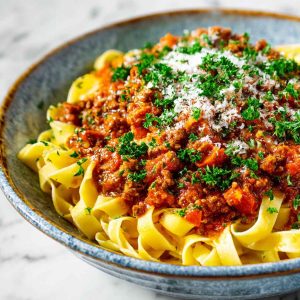
Marcella Hazan’s Bolognese Sauce Recipe – Authentic Italian Pasta Sauce
Equipment
- Heavy-bottomed pot or Dutch oven
- Wooden spoon
- Sharp knife & cutting board
- Measuring cups & spoons
Ingredients
- 2 tbsp butter
- 2 tbsp olive oil
- 1 onion, finely chopped
- 1 carrot, finely chopped
- 2 celery stalks, finely chopped
- 1 lb ground beef (not too lean)
- ½ lb ground pork (or veal)
- 1 cup whole milk
- Pinch of nutmeg
- 1 cup dry white or red wine
- 1 ½ cups canned Italian plum tomatoes (San Marzano preferred), crushed
- Salt & pepper to taste
Instructions
- Heat butter and oil in a heavy pot. Add onion, carrot, and celery. Cook slowly until softened, not browned.
- Add ground beef and pork. Break apart gently and cook until just losing raw color.
- Stir in milk. Simmer gently until absorbed. Add a pinch of nutmeg.
- Pour in wine. Simmer until evaporated.
- Add tomatoes. Stir, then reduce heat to the gentlest simmer. Cook uncovered for 3–6 hours, stirring occasionally. Add small amounts of water if needed to prevent sticking.
- Season with salt and pepper. Toss with hot tagliatelle, finish with butter and Parmigiano-Reggiano.
Notes
- Uncovered simmering is key—evaporation concentrates flavor.
- Milk first, wine second—this sequence ensures balance.
- Pasta pairing: Tagliatelle is traditional; avoid spaghetti.
- Sauce improves after resting—make ahead for deeper flavor.
- Freezes well for up to 3 months.