

 Laura Mariano
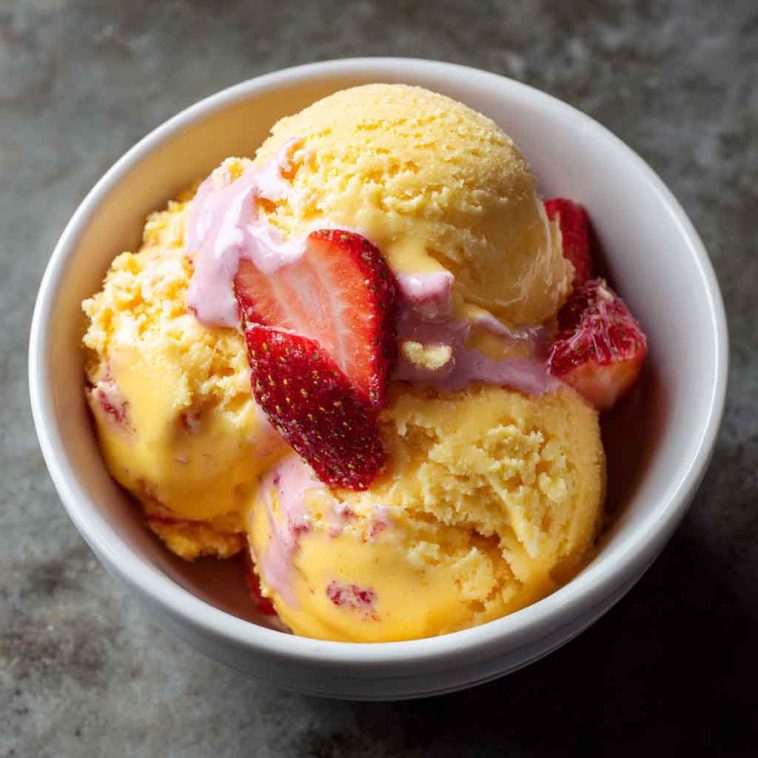
Why Homemade Mango Strawberry Frozen Yogurt?
Frozen yogurt is a delicious treat that strikes the perfect balance between indulgence and lightness. Creamy and refreshing, it offers a delightful alternative to heavier ice cream without sacrificing richness or flavor. The combination of mango and strawberry is a tropical-fruity dream team — mango lends a smooth, juicy sweetness while strawberries add a bright, tangy note that livens up every bite.
Making frozen yogurt at home is not only fun but incredibly rewarding. You get full control over the ingredients, meaning you can skip artificial additives, reduce sugar, and customize it to your taste. Fresh fruit and quality yogurt ensure each scoop bursts with natural flavor and creamy texture.
This recipe guides you through simple steps to create luscious, scoopable frozen yogurt with vibrant mango and strawberry flavors. You’ll also find expert tips to get the texture just right every time, making it your go-to homemade frozen dessert.
Understanding Frozen Yogurt: What Makes It Different?
Frozen yogurt might look similar to ice cream, but it’s quite distinct. Unlike ice cream, frozen yogurt is made with cultured yogurt, meaning it contains live active cultures or probiotics that promote gut health. These cultures give frozen yogurt a slightly tangy taste that balances sweetness beautifully.
While gelato is creamier and denser due to its milk content and churning style, frozen yogurt is lighter and typically lower in fat. This makes it a popular choice for those seeking a healthier dessert option without compromising on creaminess.
Texture-wise, frozen yogurt is smooth and velvety, yet slightly less rich than ice cream. Its tartness adds a refreshing zing, especially when paired with fresh fruit like mango and strawberry. The natural probiotics also contribute to digestion benefits, making frozen yogurt both tasty and good for you.
Key Ingredients for Mango Strawberry Frozen Yogurt
The quality of ingredients is crucial for a standout homemade frozen yogurt. When it comes to mango and strawberries, fresh fruit is ideal for the best flavor and texture. Ripe mangoes should be sweet and juicy, with vibrant orange flesh, while strawberries should be fragrant and firm, free from mushiness. However, frozen fruit is a convenient alternative year-round and often picked at peak ripeness, preserving much of the natural sweetness. Just thaw slightly before use.
Yogurt choice shapes both texture and nutrition. Greek yogurt, with its thick consistency and higher protein content, produces a creamy, satisfying frozen yogurt. Whole milk yogurt offers richness, while low-fat or plant-based yogurts (like coconut or almond) provide lighter or dairy-free options. Opt for plain yogurt without added sugars or flavors for the purest taste.
Sweeteners are flexible and personal: honey, agave syrup, or maple syrup add natural sweetness with subtle flavor notes, while some rely solely on the fruit’s sugars. A splash of lemon or lime juice brightens the fruit flavors and balances sweetness, while vanilla extract or fresh mint adds refreshing depth.
Essential Equipment & Prep Tips
An ice cream maker is the traditional way to get smooth, creamy frozen yogurt. Choose a machine that’s easy to use and clean, with a removable bowl for simple serving. If you don’t own one, no worries — the no-churn freezer method using a blender or food processor works well too.
Before blending, prep fruit by peeling mangoes and chopping strawberries into manageable pieces. Pureeing fruit thoroughly helps avoid icy bits. Keep your yogurt chilled and your fruit cold to maintain creamy texture. Working with cold ingredients helps reduce ice crystals and improves the final scoopability.
Step-by-Step Homemade Mango Strawberry Frozen Yogurt Recipe
Making your own mango strawberry frozen yogurt at home is surprisingly simple and incredibly satisfying. Here’s a straightforward guide to get you from fresh fruit to creamy, refreshing dessert in no time.
Step 1: Prepare the Fruit Puree
Start by selecting ripe mangoes and strawberries. Peel and chop the mango into cubes, and hull the strawberries by removing their green tops. Place the fruit in a blender or food processor and puree until smooth. If you prefer a bit of texture, pulse a few times to leave small fruit pieces. Using fresh fruit will yield the best flavor, but frozen fruit can be thawed slightly and used as well. The key is ensuring the fruit is blended thoroughly so your frozen yogurt has a silky texture without icy chunks.
Step 2: Mix Yogurt and Sweetener
In a large bowl, combine plain Greek yogurt with your chosen sweetener — honey, maple syrup, or agave syrup all work beautifully. The sweetness level is personal, so start with about 1/4 cup and adjust to taste. Add a tablespoon of fresh lemon or lime juice to brighten the flavors and balance the natural sweetness of the fruit. For added depth, you can stir in a teaspoon of vanilla extract or finely chopped fresh mint.
Step 3: Combine Fruit Puree and Yogurt Mixture
Gently fold the mango-strawberry puree into the sweetened yogurt mixture, ensuring it’s well blended. The color should be vibrant and inviting, with a smooth, consistent texture.
Step 4: Churn or Freeze
If you have an ice cream maker, pour the mixture into the machine and churn according to the manufacturer’s instructions—usually about 20–30 minutes. The churning process incorporates air and prevents large ice crystals, resulting in creamy frozen yogurt.
If you don’t have an ice cream maker, no worries! Pour the mixture into a freezer-safe container and freeze. Every 30 minutes for about 2 hours, take it out and stir vigorously with a fork or whisk to break up ice crystals. Repeat this step 3–4 times until the texture is creamy and scoopable.
Step 5: Freeze to Firm Up
Transfer the churned or stirred frozen yogurt into an airtight container and freeze for at least 2 hours to allow it to firm up to the perfect scoopable consistency.
Step 6: Serve and Enjoy
When ready to serve, remove the frozen yogurt from the freezer and let it sit for 5–10 minutes to soften slightly. Scoop into bowls or cones and garnish with fresh mango chunks, strawberry slices, or a sprig of mint for a beautiful presentation.
This method ensures a luscious, creamy frozen yogurt bursting with the fresh flavors of mango and strawberry, perfect for a healthy, homemade treat any time!
Troubleshooting & Expert Tips for Perfect Frozen Yogurt
Making homemade frozen yogurt is rewarding but can sometimes lead to texture or flavor issues. Here are key troubleshooting tips and expert advice to ensure your frozen yogurt turns out creamy, smooth, and delicious every time.
Fixing Icy or Grainy Texture
If your frozen yogurt turns out icy or grainy, it usually means large ice crystals formed during freezing. To prevent this, use full-fat or Greek yogurt for creaminess and incorporate a natural stabilizer like fruit pectin or gelatin to improve texture. Also, stir the mixture every 30 minutes while freezing if you don’t have an ice cream maker — this helps break up ice crystals for a smoother consistency.
Balancing Sweetness and Tartness
Frozen yogurt should have a harmonious balance between sweet and tangy. If it tastes too tart, add a bit more sugar, honey, or agave syrup to soften the tanginess. Conversely, if it’s too sweet, try adding a splash of lemon juice or a little extra plain yogurt to brighten the flavor.
Avoiding Freezer Burn
Store frozen yogurt in an airtight, shallow container with a piece of plastic wrap pressed directly on the surface to minimize air contact. Freezer burn causes off-flavors and hard spots, so minimize the time frozen yogurt spends uncovered.
Achieving Creamy Consistency
Use Greek yogurt or full-fat yogurt for a creamier base. Avoid low-fat or nonfat yogurts as they tend to produce icier frozen yogurt. For extra creaminess, a small amount of heavy cream or coconut milk can be folded in.
Preventing Separation
If your frozen yogurt separates or becomes watery upon thawing, it may be due to over-freezing or low-quality yogurt. Use fresh, high-quality yogurt and don’t over-freeze; soften before serving by letting it sit a few minutes at room temperature.
Flavor Enhancement Tips
Add fresh fruit purees, vanilla extract, or spices like cinnamon or ginger for extra flavor layers. Be mindful of how additional liquids or powders affect the freezing texture; blend thoroughly for even distribution.
Flavor Variations & Creative Twists
Frozen yogurt is wonderfully versatile and can be customized endlessly to suit your taste and dietary needs. For a tropical vibe, try blending in fruits like pineapple, passion fruit, or kiwi — their bright, tangy flavors bring a fresh, exotic twist that’s perfect for summer. Mix-ins add texture and surprise: think chocolate chips, toasted coconut flakes, or chopped nuts for delightful crunch and richness.
If you prefer dairy-free or vegan options, swap traditional yogurt for coconut or almond-based yogurts. These plant-based alternatives create creamy, luscious frozen treats with their own unique flavors. For a fun presentation, layer frozen yogurt parfaits with crunchy granola and fresh berries to create a visually appealing, delicious snack.
For those who enjoy a little heat, a spicy-sweet twist works wonders — add a hint of grated fresh ginger or a pinch of chili powder to your base for an unexpected zing that brightens the flavor profile. These creative twists make frozen yogurt a playground for culinary experimentation, inviting you to tailor each batch to your mood or occasion.
Serving Suggestions & Pairings
Serving homemade frozen yogurt is just as fun as making it! Top it with fresh fruits such as berries, sliced bananas, or stone fruits for natural sweetness and vibrant color. A drizzle of honey or agave syrup enhances flavor and adds a glossy finish. Nuts and granola bring delightful texture and extra nutrition.
For creative serving, try frozen yogurt bowls garnished with a mix of toppings, or pour your frozen yogurt into popsicle molds for a refreshing handheld treat. Smoothie bowls with frozen yogurt as the base allow endless customization with seeds, nuts, and fruit swirls.
Frozen yogurt pairs beautifully with light desserts like angel food cake or fruit tarts, and with summery beverages such as iced herbal teas or sparkling water infused with citrus. These pairings create balanced, refreshing dessert experiences perfect for warm days or casual gatherings.
Storage, Shelf Life & Reheating Tips
To keep your homemade frozen yogurt fresh, store it in an airtight container in the freezer to minimize ice crystals and prevent freezer burn. For best texture, consume within 1–2 weeks, although it can last up to a month if properly sealed.
When ready to serve, remove the frozen yogurt from the freezer about 10–15 minutes beforehand to soften slightly for easier scooping without melting completely. Alternatively, briefly microwave on low power in 10-second bursts, stirring between, to achieve a creamy consistency.
Watch for signs of spoilage such as off smells, discoloration, or icy clumps that indicate freezer burn. If these appear, it’s best to discard the batch. Proper storage and mindful thawing ensure your frozen yogurt stays delicious and safe to enjoy every time.
Frequently Asked Questions (FAQs)
Can I use regular yogurt instead of Greek yogurt?
Yes, but Greek yogurt’s thicker texture and higher protein content create creamier frozen yogurt. Using regular yogurt might result in a softer, less creamy dessert unless you strain it to remove excess whey.
How to make frozen yogurt without an ice cream maker?
Simply blend your yogurt and flavorings, then freeze in a shallow container. Stir vigorously every 30 minutes to break up ice crystals until smooth. This manual method mimics churning and yields creamy results.
Is homemade frozen yogurt healthier than store-bought?
Generally yes. You control the ingredients, sugar levels, and additives, making it a cleaner, lower-calorie option compared to many commercial brands that include stabilizers and artificial flavors.
Can I use frozen fruit instead of fresh?
Absolutely! Frozen fruit works well and is often more convenient and affordable. Just thaw slightly before blending for easier mixing.
How long does homemade frozen yogurt last in the freezer?
Best consumed within 1–2 weeks for optimal texture and flavor, though it can last up to a month if sealed well.
Can I add protein powder or other supplements?
Yes, adding protein powder or superfood powders is a great way to boost nutrition. Mix thoroughly to ensure even distribution.
How to make it less sweet or more tart?
Adjust the amount of sugar or honey, and use more or less tangy yogurt (like plain Greek yogurt) to balance sweetness and tartness to your preference.
What’s the best way to thaw frozen yogurt for serving?
Allow it to sit at room temperature for 10–15 minutes or microwave briefly on low power, stirring gently to soften without melting.
Conclusion & Encouragement to Experiment
Homemade mango strawberry frozen yogurt offers a refreshing, wholesome dessert perfect for any occasion. Don’t hesitate to experiment with flavors, textures, and toppings—your creativity is the key to delicious results. Enjoy the process, share your creations, and savor this healthy treat anytime you crave a cool, sweet delight.
Mango Strawberry Frozen Yogurt
Equipment
- Blender or food processor
- Mixing bowl
- Ice cream maker (optional)
- Airtight freezer-safe container
- Spoon or spatula
Ingredients
- 2 cups plain Greek yogurt (full fat preferred)
- 1 cup fresh mango chunks (or frozen, thawed)
- 1 cup fresh strawberries, hulled and sliced (or frozen, thawed)
- 1/3 to 1/2 cup honey or agave syrup (adjust to taste)
- 1 teaspoon vanilla extract
- Optional: 1 tablespoon lemon juice (for brightness)
Instructions
- Prepare the fruit: If using fresh mango and strawberries, wash, peel (if needed), and chop into chunks. If frozen, thaw slightly.
- Blend: In a blender or food processor, combine mango, strawberries, honey (start with less), vanilla extract, and lemon juice if using. Blend until smooth.
- Mix with yogurt: Transfer fruit puree to a mixing bowl. Fold in the Greek yogurt gently until well combined. Taste and adjust sweetness if needed.
- Freeze:With ice cream maker: Pour mixture into your ice cream maker and churn according to manufacturer instructions until soft-serve texture is reached. Transfer to airtight container and freeze for 1–2 hours to firm up.Without ice cream maker: Pour mixture into a shallow airtight container and freeze. Every 30 minutes for the first 2 hours, stir vigorously with a fork or whisk to break up ice crystals. Freeze until firm.
- Serve: Let frozen yogurt sit at room temperature for 5–10 minutes before scooping for easier serving.
Notes
- Use full-fat Greek yogurt for creamier texture; low-fat versions may yield icier results.
- Adjust sweetness based on your fruit’s ripeness and personal preference.
- For vegan/dairy-free, substitute yogurt with coconut or almond-based yogurt.
- Add mix-ins like chocolate chips, toasted coconut, or chopped nuts for extra texture.
- Store leftover frozen yogurt in airtight containers for up to 1–2 weeks. Avoid freezer burn by pressing plastic wrap directly on the surface before sealing.