

 Laura Mariano
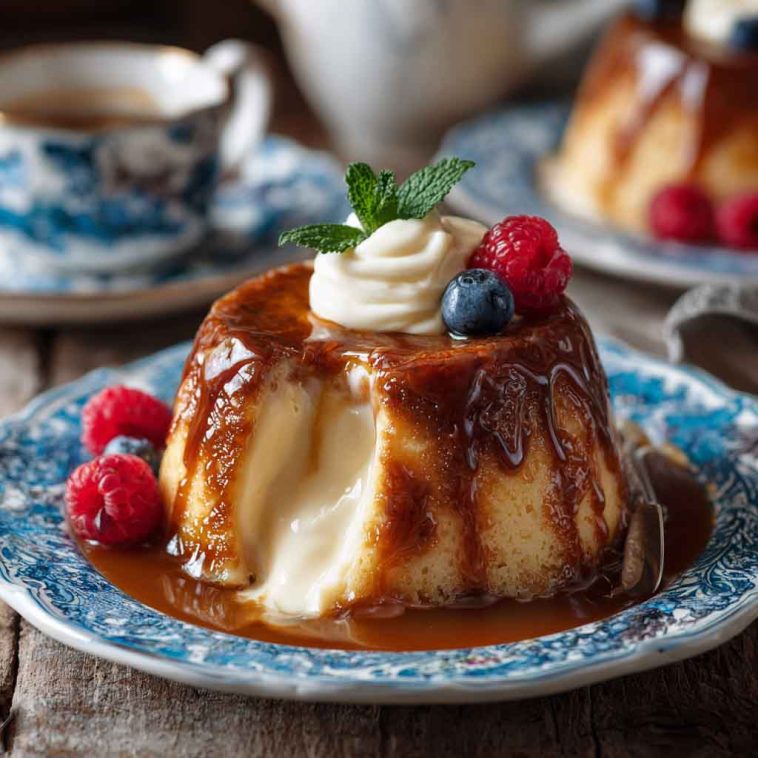
Introduction to Malvern Pudding
Welcome to the heartwarming world of Malvern Pudding—a dessert that wraps you in a blanket of nostalgia with every bite. Hailing from the charming town of Malvern in Worcestershire, this traditional British treat is a celebration of simple, comforting flavors. Imagine tender slices of tart apple nestled beneath a silky layer of creamy custard, all crowned with a golden, caramelized topping that crackles ever so slightly under your spoon.
Malvern Pudding is more than just a sweet dish—it’s a memory-maker. Served warm on chilly evenings or chilled for a summer indulgence, it evokes the coziness of family kitchens and Sunday dinners. Its timeless appeal lies in its balance: the tang of the apples, the richness of the custard, and the sweet crunch of caramel. Whether you’re revisiting childhood or discovering it anew, Malvern Pudding remains a beloved staple in Britain’s comfort food repertoire.
Historical Background
Malvern Pudding finds its roots in the picturesque spa town of Malvern, nestled in the rolling hills of Worcestershire. Known for its healing waters and Victorian charm, Malvern has long been a haven for traditional English fare. The pudding emerged as a local specialty, likely crafted to make the most of seasonal apples and dairy—two staples of the region’s agricultural bounty.
British puddings have a storied past, often serving as hearty, nourishing dishes that brought families together. From suet-laden steamed puddings to fruit-filled crumbles, these desserts reflect the country’s culinary ingenuity and love for comfort. Malvern Pudding, with its lighter custard base and caramelized finish, stands out as a refined evolution of this tradition.
Over time, the recipe has adapted to modern tastes. While early versions may have used boiled custard or stewed apples, today’s iterations favor baked custards and carefully layered textures. Yet the essence remains unchanged: a celebration of local ingredients, simple preparation, and the joy of sharing. Malvern Pudding continues to grace tables across Britain, cherished for its heritage and its heartwarming flavor.
What Makes Malvern Pudding Unique?
Unlike its cousins—apple crumble or Eve’s pudding—Malvern Pudding offers a more delicate and elegant experience. Where crumbles rely on a buttery topping and Eve’s pudding incorporates sponge cake, Malvern Pudding showcases a velvety custard base that sets it apart.
The custard, rich yet airy, envelops softened apples that retain just enough bite to contrast the creaminess. The crowning glory is its caramelized sugar topping, which adds a subtle crunch and a hint of bitterness that balances the sweetness below.
This interplay of textures—soft fruit, smooth custard, crisp topping—creates a layered flavor profile that’s both comforting and sophisticated. It’s a dessert that feels indulgent without being heavy, making it perfect for both casual family meals and elegant dinner parties. Malvern Pudding’s uniqueness lies in its simplicity, its harmony of flavors, and its ability to evoke warmth and nostalgia with every spoonful.
Choosing the Right Apples
The soul of Malvern Pudding lies in its apples, and choosing the right variety is key. Tart apples like Bramley, Granny Smith, and Cox’s Orange Pippin are ideal—they hold their shape during baking and offer a bright acidity that cuts through the richness of the custard.
Bramleys are a classic choice, prized for their fluffy texture when cooked. Granny Smiths bring a firm bite and sharpness, while Cox’s Orange Pippin adds aromatic depth and a hint of sweetness. These varieties ensure the apples don’t become mushy or overly sweet, preserving the pudding’s balance.
To prep apples for optimal texture, peel and core them thoroughly, then slice evenly to ensure uniform cooking. A brief sauté or steam before layering helps soften them just enough without losing structure. This step enhances their flavor and prevents excess moisture from thinning the custard. With the right apples, your Malvern Pudding will sing with flavor and finesse.
Step-by-Step Preparation Guide
1. Prepare the Apples: Start by peeling, coring, and slicing 3–4 tart apples (Bramley or Granny Smith work well). Aim for thin, even slices. Gently sauté them in a bit of butter until just tender—this enhances their flavor and prevents excess moisture.
2. Make the Custard: You can opt for stovetop or baked custard. For stovetop, whisk together 3 egg yolks, 2 tablespoons sugar, 1 teaspoon vanilla extract, and 1½ cups whole milk. Heat gently, stirring constantly until thickened. For baked custard, mix the same ingredients and pour directly over the apples in the baking dish.
3. Assemble the Pudding: Grease a shallow baking dish and layer the softened apples evenly. Pour the custard over them, ensuring full coverage. Sprinkle a generous layer of sugar on top—demerara or caster sugar works well for caramelizing.
4. Bake and Caramelize: Bake at 160°C (320°F) for 30–40 minutes until the custard is set. For a caramelized finish, switch to grill mode for the last 5 minutes or use a kitchen torch to brown the sugar topping.
5. Serve: Malvern Pudding is best enjoyed warm, when the custard is silky and the topping crisp. For a refreshing twist, chill it and serve with a dollop of whipped cream or crème fraîche. Either way, it’s a comforting delight.
Common Mistakes to Avoid
Avoid overcooking the apples—they should be tender but not mushy, or they’ll lose texture. Runny custard is another pitfall; ensure it’s properly thickened or baked until just set. Don’t rush the caramelization—burnt sugar can overpower the delicate flavors. Use moderate heat or a torch for control. Lastly, balance sweetness carefully; overly sweet apples or custard can make the dessert cloying. Stick to tart apple varieties and taste your custard before baking. With attention to these details, your Malvern Pudding will be a triumph of texture, flavor, and tradition.
Malvern Pudding Recipe – Classic British Apple & Custard Dessert from Worcestershire
Equipment
- Peeler and knife
- Frying pan or saucepan
- Mixing bowl
- Whisk
- Baking dish (shallow)
- Oven
- Optional: kitchen torch or grill for caramelizing
Ingredients
- 3–4 tart apples (Bramley, Granny Smith, or Cox’s Orange Pippin)
- 2 tbsp unsalted butter (for sautéing apples)
- 3 egg yolks
- 2 tbsp caster sugar (for custard)
- 1½ cups whole milk (or plant-based alternative)
- 1 tsp vanilla extract
- 2–3 tbsp demerara or caster sugar (for topping)
Instructions
- Prepare Apples Peel, core, and thinly slice apples. Sauté in butter until just tender. Set aside.
- Make Custard Whisk egg yolks, sugar, vanilla, and milk. For stovetop custard, gently heat while stirring until thickened. For baked custard, skip heating.
- Assemble Grease baking dish. Layer apples evenly. Pour custard over apples. Sprinkle sugar on top.
- Bake Bake at 160°C (320°F) for 35–40 minutes until custard is set. For caramelization, grill for 5 minutes or use a torch.
- Serve Enjoy warm with clotted cream, custard, or vanilla ice cream. Can also be served chilled.
Notes
- Use tart apples for balance; avoid overly sweet varieties.
- Store in fridge for up to 3 days; reheat gently to avoid curdling.
- Not ideal for freezing due to custard texture.
- Add cinnamon, nutmeg, raisins, or swap apples for pears/rhubarb for variations.
- Dairy-free and gluten-free adaptations are easy with plant-based milk and thickeners.