

 Laura Mariano
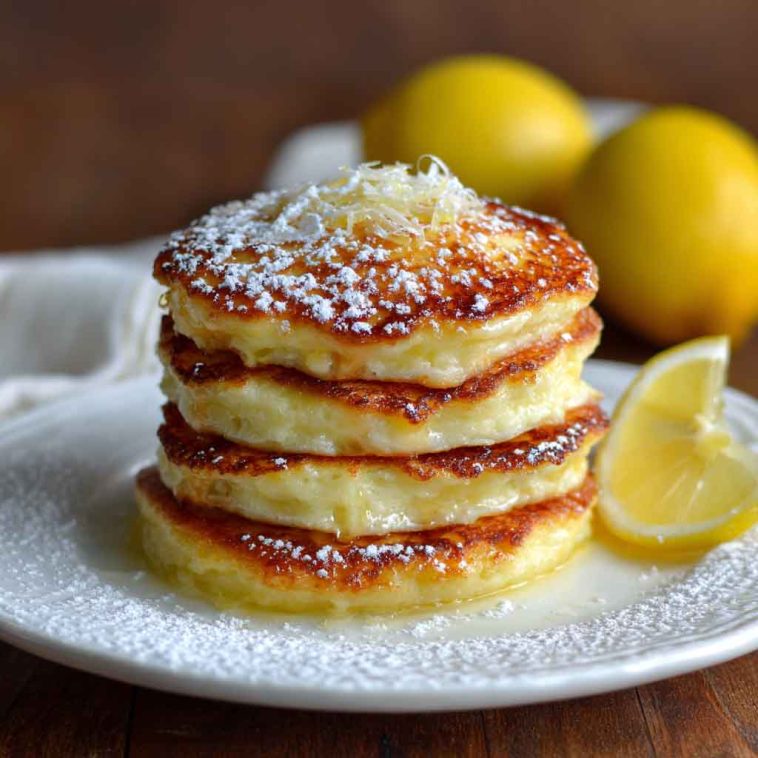
Why Lemon Ricotta Pancakes Fry Stand Out
There’s something undeniably magical about ricotta in pancakes. Unlike traditional pancakes that sometimes risk turning dry or dense, ricotta brings a wonderful moistness and creaminess without any heaviness. This delicate richness lifts the texture, giving you pancakes that are tender and soft on the inside yet light and airy.
Now, add the bright, zesty punch of lemon — both zest and juice — and you’ve got a flavor combination that feels fresh and vibrant. The zest adds fragrant oils that explode with citrus aroma, while the juice gives a clean, tangy brightness that wakes up every bite.
Frying these pancakes, either shallow or pan-frying, is a game-changer. It creates beautifully crisp edges that contrast with the pillowy centers, delivering a texture that’s both satisfying and unique. This article promises a simple, approachable technique to help you make these delightful pancakes your new breakfast or brunch favorite — elevating your morning with ease and flavor.
Origins & Evolution of Ricotta Pancakes
Ricotta cheese has long been a staple in Italian and Mediterranean kitchens, prized for its mild flavor and creamy texture. Traditionally, ricotta finds its home in savory dishes like lasagna or sweet treats like cannoli. But somewhere along the culinary journey, home cooks and chefs alike discovered its magic in pancakes.
Ricotta pancakes began appearing on brunch menus worldwide as a lighter, fluffier alternative to classic buttermilk pancakes. Their appeal? Moisture and richness without the weight, combined with a subtle tang that complements fresh fruits and syrups beautifully.
While pancakes are typically cooked on a griddle or flat pan, frying them shallowly in butter or oil has gained popularity. This method adds a slight crunch to the edges while keeping the centers tender and soft — an irresistible textural contrast that feels both traditional and refreshingly modern.
Key Ingredients Explained: The Building Blocks
Understanding the ingredients is the first step to mastering lemon ricotta pancakes fry.
Ricotta Cheese: Use whole-milk ricotta for the creamiest, richest texture. Lower-fat ricotta works too but can lead to slightly drier pancakes. The cheese’s moisture content directly impacts the fluffiness and tenderness — avoid overly watery ricotta by draining it well if needed.
Lemon: Fresh lemon zest carries essential oils that provide a bright, aromatic lift. The juice adds tartness but too much can make the batter watery or overly sour. A balance of both zest and juice ensures a clean, vibrant lemon flavor without overpowering the pancakes.
Flour: All-purpose flour is the go-to for light, fluffy pancakes. For a nuttier flavor and more fiber, whole wheat flour can be used but in smaller amounts to avoid heaviness. Gluten-free flours (like a blend of rice and tapioca flour) are also great substitutes but may require slight adjustments in liquid.
Eggs and Dairy: Eggs provide structure and help the pancakes rise while adding richness. Combining them with ricotta and a splash of milk or buttermilk keeps the batter moist and tender.
Leavening Agents: Baking powder is the most common choice for a steady rise, while baking soda can be added if using acidic ingredients like lemon juice for extra lift. A careful balance here is key to avoid bitterness.
Sweeteners: Granulated sugar is standard, but honey or maple syrup can add depth and subtle sweetness. Adjust to taste but remember that ricotta and lemon provide natural balance, so you don’t need much sugar.
Optional Flavor Boosters: Vanilla extract enhances overall flavor, while fresh herbs like rosemary or thyme add an interesting savory note if you want to experiment.
Equipment Essentials for Perfect Pancakes
To fry perfect lemon ricotta pancakes, the right tools matter:
-
A non-stick skillet or well-seasoned cast iron pan is ideal for even heating and easy flipping.
-
A flat spatula helps turn pancakes gently without breaking their delicate edges.
-
Mixing bowls, a whisk or fork for beating eggs and folding ingredients gently, and measuring cups ensure accuracy.
-
Optional but helpful: a cooling rack to keep cooked pancakes warm without getting soggy, and a warming tray if you’re cooking a big batch.
Having these basics handy will make your cooking process smooth and enjoyable.
Step-by-Step Frying Technique
The technique is what transforms simple batter into irresistible pancakes.
Preparing the Batter: Start by gently folding the wet ingredients into the dry — ricotta, eggs, lemon zest, juice, and flour mixture. Be careful not to overmix. A few lumps are okay and actually help keep the pancakes tender rather than dense.
Resting the Batter: Letting the batter rest for about 10–15 minutes is a small but important step. It allows the flour to hydrate fully and flavors to meld, which improves the texture and taste.
Heating the Pan: Preheat your pan over medium heat. Too hot, and the pancakes burn outside before cooking inside; too low, and they won’t get that crisp golden crust. Test with a small drop of batter—if it sizzles gently, you’re ready.
Portioning the Batter: Use a 1/4 cup measuring scoop or ladle to portion the batter onto the pan. This helps keep pancakes uniform in size and thickness, ensuring even cooking.
Frying Tips: Cook pancakes on one side until bubbles form on the surface and edges look set, about 2–3 minutes. Flip carefully with a spatula and cook the other side for another 2 minutes until golden and cooked through.
Avoiding Sogginess: Don’t overcrowd the pan — give pancakes room to breathe. If the pan feels crowded, cook in batches. Wipe out excess butter or oil if it starts to burn between batches.
Checking Doneness: Pancakes should be golden-brown with slightly crisp edges and spring back gently when pressed. You can also insert a toothpick to check; it should come out clean or with moist crumbs.
Maintaining Warmth: Place cooked pancakes on a wire rack set over a baking sheet in a warm oven (around 200°F/90°C) while frying the rest, so they stay crispy without steaming.
Tips for Achieving the Perfect Balance of Crispy & Tender
Balancing crispiness with tenderness is key. Maintain medium heat to develop a golden crust without burning. Butter adds rich flavor and browning, but a splash of neutral oil can help prevent burning at higher temps.
Don’t rush flipping—wait for bubbles and edges to set. Over-flipping can deflate pancakes and result in a chewy texture. If the centers seem undercooked, lower heat slightly and cook longer.
Avoid soggy pancakes by letting them drain on a wire rack instead of stacking directly on a plate, which traps steam. These little details turn good pancakes into unforgettable ones.
Classic Lemon Ricotta Pancakes Fry Recipe
Here’s a straightforward, foolproof recipe to get you started with lemon ricotta pancakes fry:
Ingredients: Ricotta cheese, fresh lemon zest and juice, all-purpose flour, eggs, baking powder, sugar, vanilla extract, and a pinch of salt.
Method:
-
In a mixing bowl, whisk together the dry ingredients — flour, baking powder, sugar, and salt.
-
In a separate bowl, combine ricotta, eggs, lemon zest, lemon juice, and vanilla extract until smooth.
-
Gently fold the wet mixture into the dry, stirring just until combined. Don’t overmix — a few lumps are fine.
-
Heat a non-stick skillet over medium heat and lightly grease it with butter or oil.
-
Pour 1/4 cup of batter per pancake onto the skillet, cooking until bubbles form and edges set, about 2-3 minutes. Flip and cook another 2 minutes until golden.
-
Transfer to a wire rack in a warm oven to keep crisp while cooking remaining pancakes.
Pro Tip: Use fresh, high-quality ricotta and zest the lemon before juicing to capture maximum flavor. Avoid overmixing for the fluffiest texture, and keep the heat moderate to develop a perfect golden crust.
Creative Variations to Try
Take your lemon ricotta pancakes fry to the next level with these delicious twists:
Blueberry Lemon Ricotta Pancakes Fry: Fold fresh or frozen blueberries gently into the batter for bursts of juicy sweetness that pair beautifully with lemon’s brightness. Sprinkle a few on top while frying to prevent sinking.
Lemon Ricotta Pancakes with Herb Infusion: Add finely chopped fresh rosemary or thyme to the batter for a subtle herbal note. These work especially well if you’re serving the pancakes alongside savory sides like bacon or smoked salmon.
Gluten-Free & Dairy-Free Options: Swap all-purpose flour for a gluten-free blend, and replace ricotta with almond or cashew-based ricotta alternatives for a dairy-free version. Add a flax egg (1 tbsp flaxseed meal + 3 tbsp water) as a binder if needed.
Savory Twist: Mix grated Parmesan cheese and freshly cracked black pepper into the batter for a savory take. These lemon-parmesan pancakes pair wonderfully with a dollop of sour cream or a poached egg on top.
Vegan Adaptation Ideas: Use flax eggs instead of regular eggs and plant-based ricotta made from tofu or cashews. Nutritional yeast can add a cheesy undertone in savory versions, while a touch of maple syrup balances the flavor.
These variations invite creativity while keeping the essence of light, lemony, ricotta-rich pancakes intact.
Serving Suggestions & Pairings
Serve your lemon ricotta pancakes fry with:
-
Syrups & Sauces: Classic maple syrup or honey always work beautifully. For a citrusy twist, drizzle with a homemade lemon glaze made from powdered sugar and fresh lemon juice. Berry compotes—blueberry, raspberry, or strawberry—add natural sweetness and vibrant color.
-
Fresh Fruit & Nuts: Add seasonal fresh fruits like sliced strawberries, blackberries, or kiwi. Toasted nuts such as almonds or walnuts introduce a pleasant crunch and nutty aroma.
-
Beverages: Pair these pancakes with a cup of freshly brewed coffee or herbal tea for a cozy morning. Freshly squeezed orange juice or a sparkling water with lemon adds a refreshing touch.
With these pairings, your brunch will feel both indulgent and balanced.
Storage, Reheating & Make-Ahead Tips
Storing: Let leftover pancakes cool completely, then stack with parchment paper between layers to prevent sticking. Store in an airtight container in the fridge for up to 3 days.
Reheating: For best texture, reheat pancakes on a non-stick skillet over low heat until warmed through and edges crisp up again. Avoid microwaving, which can make them soggy. Alternatively, warm them in a 300°F (150°C) oven for 5–7 minutes.
Freezing: Freeze pancakes in a single layer on a baking sheet until firm, then transfer to a freezer-safe bag or container. They keep well for up to 2 months. Reheat directly from frozen on a skillet or toaster.
Make-Ahead: Prepare the batter the night before and refrigerate it covered for up to 24 hours. Give it a gentle stir before cooking — you might need to add a splash of milk if it thickens too much.
Health & Nutrition Overview
Ricotta cheese is a great source of protein and calcium, offering richness without excessive fat if you choose part-skim varieties. Lemon adds vitamin C and a fresh flavor that cuts through the richness naturally. A typical serving of lemon ricotta pancakes fry ranges around 250–300 calories, with a balanced mix of protein, carbs, and moderate fat.
To lighten the recipe, swap some or all of the all-purpose flour for whole wheat or oat flour, reduce sugar slightly, and use part-skim ricotta. You can also experiment with egg whites instead of whole eggs for fewer calories, keeping the pancakes tender and flavorful.
Frequently Asked Questions
Can I use regular cream cheese instead of ricotta?
Cream cheese is denser and tangier than ricotta. It can be used in a pinch but may yield heavier, less fluffy pancakes. Drain and soften it well before mixing.
What’s the difference between frying and griddling pancakes?
Frying involves shallow oil or butter, creating a crispy crust, while griddling typically uses a dry or lightly greased flat surface, resulting in softer edges. Frying gives a textural contrast many love.
How do I prevent pancakes from sticking?
Ensure your pan is well-heated and lightly greased. Use a non-stick or well-seasoned pan and avoid flipping too early. Clean the pan between batches if residue builds up.
Can I prepare the batter the night before?
Yes! Refrigerate the batter in a covered bowl. It may thicken slightly; add a splash of milk to loosen before cooking.
Are lemon ricotta pancakes suitable for kids?
Absolutely. Their mild sweetness and tender texture make them kid-friendly. Adjust lemon juice to taste if you want a milder flavor.
How to make pancakes fluffier without ricotta?
Whip egg whites separately and fold them into the batter, or use buttermilk and baking soda to boost rise and tenderness.
Lemon Ricotta Pancakes
Equipment
- Non-stick skillet or cast iron pan
- Mixing bowls
- Whisk or fork
- Measuring Cups and Spoons
- Spatula
- Cooling rack (optional)
Ingredients
- 1 cup whole-milk ricotta cheese
- 1 cup all-purpose flour
- 2 tsp baking powder
- 1 tbsp granulated sugar
- Pinch of salt
- 2 large eggs
- Zest of 1 lemon
- 2 tbsp fresh lemon juice
- 1 tsp vanilla extract
- Butter or oil for frying
Instructions
- In a medium bowl, whisk together flour, baking powder, sugar, and salt.
- In a separate bowl, combine ricotta, eggs, lemon zest, lemon juice, and vanilla extract until smooth.
- Gently fold wet ingredients into dry until just combined — lumps are okay.
- Heat a non-stick skillet over medium heat and lightly grease with butter or oil.
- Using a 1/4 cup measure, pour batter onto the skillet. Cook for 2–3 minutes until bubbles form and edges look set.
- Transfer pancakes to a wire rack set over a baking sheet in a warm oven to keep crispy if cooking in batches.
- Serve warm with your favorite syrup or toppings.
Notes
- For fluffier pancakes, avoid overmixing the batter.
- Adjust lemon juice to taste; too much can make batter runny.
- Use fresh lemon zest for the best citrus aroma.
- Leftover pancakes reheat well on a skillet to restore crispiness.
- Try variations like adding blueberries or herbs for a new twist.