

 Laura Mariano
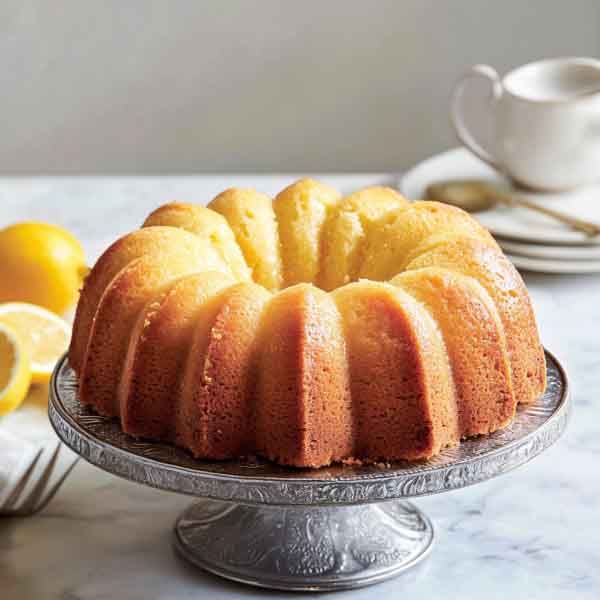
A Bright Slice of Sunshine
There’s something magical about the scent of lemon drifting from the oven — it’s like bottling sunshine. I still remember my grandmother’s kitchen on Sunday afternoons, the air thick with citrus and butter, as she sliced into her famous lemon pound cake. One bite was all it took to understand why this cake has stood the test of time: it’s simple, comforting, and endlessly satisfying. Lemon pound cake is a dessert that bridges generations — elegant enough for a tea party, yet humble enough for a weekday treat. This version takes the classic and elevates it with a triple hit of lemon — zest, juice, and extract — for a tangy brightness that dances on the tongue. The crumb is tender and moist, thanks to rich butter and a touch of sour cream, while the flavor is balanced with just the right sweetness. It’s sunshine you can slice, and joy you can taste.
What Is Lemon Pound Cake? A Quick History
Pound cake earned its name in 18th-century Europe, where the original recipe called for a pound each of butter, sugar, eggs, and flour. This simple ratio created a dense, rich cake that kept well — perfect for celebrations and travel. Over time, bakers began experimenting with flavors, and citrus quickly became a favorite. Lemons, prized for their bright aroma and tartness, were first used in cakes by the wealthy in Europe, when the fruit was still a luxury. By the 19th century, lemon pound cake had crossed the Atlantic, becoming a staple at American tea tables and church socials. The invention of baking powder lightened its texture, while improved trade made lemons more accessible. Today, it’s cherished worldwide for its balance of richness and freshness — a cake that feels indulgent yet refreshing, equally at home on a wedding dessert table or as a simple afternoon pick-me-up.
Key Ingredients That Make It Irresistible
- Lemon zest, juice, and extract: This triple infusion ensures the lemon flavor is vibrant and layered. Zest provides aromatic oils, juice adds tang, and extract deepens the citrus note.
- Butter: The foundation of pound cake’s richness, lending a velvety mouthfeel.
- Sour cream or buttermilk: Adds moisture and a subtle tang that complements the lemon.
- Sugar: Sweetens and tenderizes the crumb.
- Flour: Provides structure, balancing the cake’s softness.
- Eggs: Bind the batter and contribute to its fine, tender texture.
Bold Tip: Always zest your lemons before juicing — it’s far easier, and you’ll capture every bit of aromatic oil.
The magic lies in the harmony of these ingredients. The butter and sugar create a creamy base, the eggs build structure, and the dairy keeps it moist. The lemon elements weave through every bite, ensuring the flavor is bright but never overpowering. The result? A cake that’s rich yet refreshing, indulgent yet light enough to keep you coming back for another slice.
Choosing the Right Pan and Prep Tips
Your choice of pan shapes the cake’s personality. A loaf pan gives you a classic, homey presentation — perfect for slicing thick, generous pieces. A bundt pan transforms the cake into a showstopper, with elegant ridges that catch glazes beautifully. Whatever you choose, proper prep is key. Grease the pan thoroughly with butter or nonstick spray, then dust lightly with flour to prevent sticking. For extra insurance, especially with loaf pans, line the bottom with parchment paper, leaving a slight overhang for easy lifting. This step may seem small, but it ensures your cake releases cleanly, preserving its shape and crumb. After all, you’ve put love into the batter — the last thing you want is to leave half of it behind in the pan.
Mixing the Batter: Creaming and Folding Techniques
Start by creaming butter and sugar together until pale and fluffy — this step incorporates air, giving the cake lift. Add the eggs one at a time, beating well after each addition to maintain a smooth, stable batter. In a separate bowl, whisk together your dry ingredients. Alternate adding these with your wet ingredients (like sour cream or buttermilk) to the butter mixture, beginning and ending with the dry. This method ensures even mixing without overworking the batter. When incorporating the final additions, fold gently with a spatula rather than beating — overmixing can develop gluten, leading to a tougher crumb.
Bold Tip: Rub the lemon zest into the sugar before creaming. This releases the oils, intensifying the citrus aroma and flavor throughout the cake.
By respecting these steps, you’ll create a batter that bakes into a cake with a fine, tender crumb — the hallmark of a perfect pound cake.
Baking and Cooling: Timing Is Everything
Bake your lemon pound cake in a preheated oven, typically at 325–350°F (160–175°C), until the top is golden and a toothpick inserted in the center comes out clean — usually 50–70 minutes, depending on the pan. If the top browns too quickly, tent it loosely with foil. Once baked, let the cake cool in the pan for about 10–15 minutes. This resting period allows the structure to set, making it easier to release without breaking. Transfer to a wire rack to cool completely, preventing sogginess from trapped steam. Resist the urge to slice immediately — pound cake’s flavor deepens as it rests, and the crumb becomes even more tender. By the next day, the lemon has fully bloomed, and each bite is a perfect balance of buttery richness and citrus brightness.
Lemon Pound Cake Recipe – Moist, Zesty & Bursting with Citrus Flavor
Equipment
- Stand mixer or hand mixer
- Mixing bowls (large, medium, small)
- Microplane or fine grater (for zesting)
- Citrus juicer
- Measuring cups & spoons
- Rubber spatula
- Loaf pan (9x5-inch) or bundt pan
- Parchment paper (optional)
- Wire cooling rack
Ingredients
For the Cake:
- 1 cup (230g) unsalted butter, room temperature
- 2 cups (400g) granulated sugar
- Zest of 2 large lemons
- 4 large eggs, room temperature
- 3 cups (360g) all-purpose flour
- 1 tsp baking powder
- ½ tsp salt
- ½ cup (120ml) sour cream or buttermilk
- ¼ cup (60ml) fresh lemon juice
- 1 tsp pure lemon extract
For the Lemon Syrup:
- ¼ cup (60ml) fresh lemon juice
- ¼ cup (50g) granulated sugar
For the Glaze:
- 1 cup (120g) powdered sugar
- 2–3 tbsp fresh lemon juice
Instructions
- Prep the Pan: Grease and flour your loaf or bundt pan. Line with parchment if using a loaf pan. Preheat oven to 325°F (160°C).
- Infuse the Sugar: Rub lemon zest into sugar with fingertips until fragrant.
- Cream: Beat butter and lemon sugar until pale and fluffy (3–4 minutes).
- Add Eggs: Beat in eggs one at a time, mixing well after each.
- Mix Dry Ingredients: In a separate bowl, whisk flour, baking powder, and salt.
- Combine Wet & Dry: Add dry ingredients to butter mixture in three parts, alternating with sour cream/buttermilk and lemon juice. Begin and end with dry. Stir in lemon extract.
- Bake: Pour batter into prepared pan. Bake 55–70 minutes, until a toothpick comes out clean. Tent with foil if browning too quickly.
- Make Syrup: While cake bakes, simmer lemon juice and sugar until dissolved.
- Soak: Brush syrup over warm cake after removing from oven. Cool completely on a wire rack.
- Glaze: Whisk powdered sugar with lemon juice until pourable. Drizzle over cooled cake.
Notes
- Bold Tip: Always zest before juicing for maximum flavor.
- For a lighter crumb, avoid overmixing once flour is added.
- Cake flavor deepens after resting overnight — wrap well and store at room temp.
- Variations: Add blueberries, poppy seeds, or swap lemons for limes or Meyer lemons.
- Freezes beautifully — wrap tightly in plastic and foil for up to 3 months.