

 Laura Mariano
Introduction to Lasagna
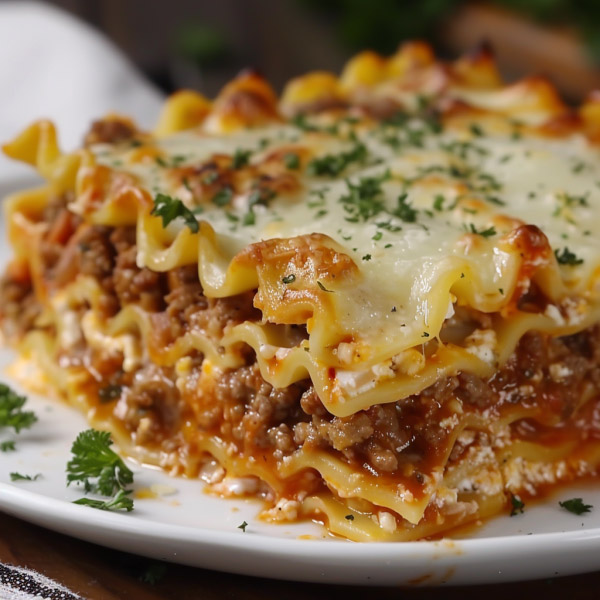
Few dishes embody comfort food quite like lasagna. With its layers of tender pasta, rich sauce, creamy cheese, and savory fillings, lasagna is a recipe that feels both indulgent and familiar. It’s a dish that brings people together—whether at Sunday family dinners, holiday gatherings, or casual weeknight meals. The beauty of lasagna lies in its versatility: you can keep it classic with meat and ricotta, or experiment with vegetables, seafood, or even plant-based alternatives. In this article, we’ll explore why lasagna remains a timeless favorite, dive into its history, discuss nutritional notes, and walk through a step-by-step preparation guide that ensures success every time.
The Appeal of Lasagna
Lasagna is more than just pasta—it’s a layered masterpiece. Each bite delivers a balance of textures: silky noodles, hearty sauce, creamy ricotta, and gooey mozzarella. It’s filling, satisfying, and designed to feed a crowd.
Another reason lasagna is so beloved is its adaptability. You can prepare it ahead of time, freeze it for later, or bake it fresh for immediate enjoyment. It’s equally at home on a holiday table or as a weeknight dinner.
Tip: Lasagna often tastes even better the next day, as the flavors have time to meld together.
The History of Lasagna
Lasagna traces its roots back to Italy, particularly the Emilia-Romagna region. The traditional version, known as lasagne alla bolognese, features layers of pasta sheets, ragù (meat sauce), béchamel, and Parmesan. Over time, lasagna spread across the globe, evolving into countless variations.
In America, lasagna often includes ricotta cheese and mozzarella, creating a creamier, cheesier version. Regional twists abound: some add spinach, others swap beef for sausage, and many experiment with seafood or vegetarian fillings.
This evolution reflects lasagna’s universal appeal—it adapts to local tastes while maintaining its comforting essence.
Nutritional Notes
Traditional lasagna is indulgent, offering protein from meat and cheese, carbohydrates from pasta, and richness from sauces. While delicious, it can be heavy.
Health-conscious cooks can lighten lasagna by:
- Using whole wheat or gluten-free pasta.
- Choosing lean meats like turkey or chicken.
- Incorporating vegetables such as zucchini, spinach, or mushrooms.
- Substituting ricotta with cottage cheese or Greek yogurt.
Tip: Pair lasagna with a crisp salad or roasted vegetables to balance the meal.
Why This Recipe Works
This recipe succeeds because it balances simplicity with flavor. The layering technique ensures every bite is satisfying, while the combination of sauce, cheese, and pasta creates depth. It’s customizable, forgiving, and perfect for both beginners and seasoned cooks.
Tip: Let lasagna rest for 10–15 minutes after baking. This allows the layers to set, making it easier to slice and serve neatly.
Step-by-Step Preparation Guide
Step 1: Prepare Pasta Sheets Cook pasta sheets until al dente, or use no-boil sheets for convenience.
Step 2: Make the Sauce Prepare a rich meat sauce with ground beef or sausage, tomatoes, onions, garlic, and herbs. For vegetarian versions, substitute with lentils or mushrooms.
Step 3: Mix the Cheese Layer Combine ricotta with an egg, Parmesan, and herbs like parsley or basil. This creates a creamy, flavorful filling.
Step 4: Layer the Lasagna In a baking dish, spread a thin layer of sauce. Add pasta sheets, followed by ricotta mixture, mozzarella, and more sauce. Repeat until the dish is full, finishing with sauce and cheese on top.
Step 5: Bake Cover with foil and bake at 375°F (190°C) for 25–30 minutes. Remove foil and bake an additional 15 minutes until golden and bubbling.
Step 6: Rest and Serve Allow lasagna to rest before slicing. Garnish with fresh basil or parsley.
Expert Tip: Use a deep baking dish to prevent overflow and ensure generous layers.
Classic Lasagna Recipe (Easy Cheesy Comfort Food)
Equipment
- Large pot (for pasta)
- Skillet (for sauce)
- Mixing bowls
- 9x13-inch baking dish
- Foil
- Wooden spoon or spatula
Ingredients
- Lasagna noodles (boil or no-boil)
- Ground beef or sausage
- Onion, garlic, herbs
- Tomato sauce or crushed tomatoes
- Ricotta cheese
- Egg (for ricotta mixture)
- Mozzarella cheese
- Parmesan cheese
- Olive oil, salt, pepper
Instructions
- Cook Pasta: Boil noodles until al dente (skip if using no-boil).
- Make Sauce: Sauté onion and garlic in olive oil, add ground meat, cook until browned. Stir in tomato sauce and herbs; simmer 15 minutes.
- Prepare Ricotta Mixture: Combine ricotta, egg, Parmesan, and parsley.
- Layer Lasagna: Spread sauce on bottom of baking dish. Add noodles, ricotta mixture, mozzarella, and sauce. Repeat layers, finishing with sauce and cheese.
- Bake: Cover with foil and bake at 375°F (190°C) for 25–30 minutes. Remove foil and bake another 15 minutes until golden and bubbling.
- Rest & Serve: Let lasagna rest 10–15 minutes before slicing. Garnish with fresh basil or parsley.
Notes
- Use lean ground beef or turkey for a lighter version.
- Whole wheat or gluten-free noodles work well for dietary needs.
- Add spinach, zucchini, or mushrooms for extra nutrition.
- Lasagna freezes beautifully—wrap tightly and store for up to 3 months.
- Reheat in the oven for best texture; avoid microwaving if possible.
- Lasagna tastes even better the next day as flavors meld together.